Ninety Years
of Power Conversion
The Charging Rectifiers department of Tudor AB was founded in 1935, later called Kraftelektronik AB. Powercon was founded in 1971. This is their shared story.
What of the Future
in Electricity?
Dr. Nikola Tesla looks forward to the era when one titanic electrical wireless station shall supply power for the world — telling of other developments that we have good reason to expect. Published in The Electrical World and Engineer, June 1900.
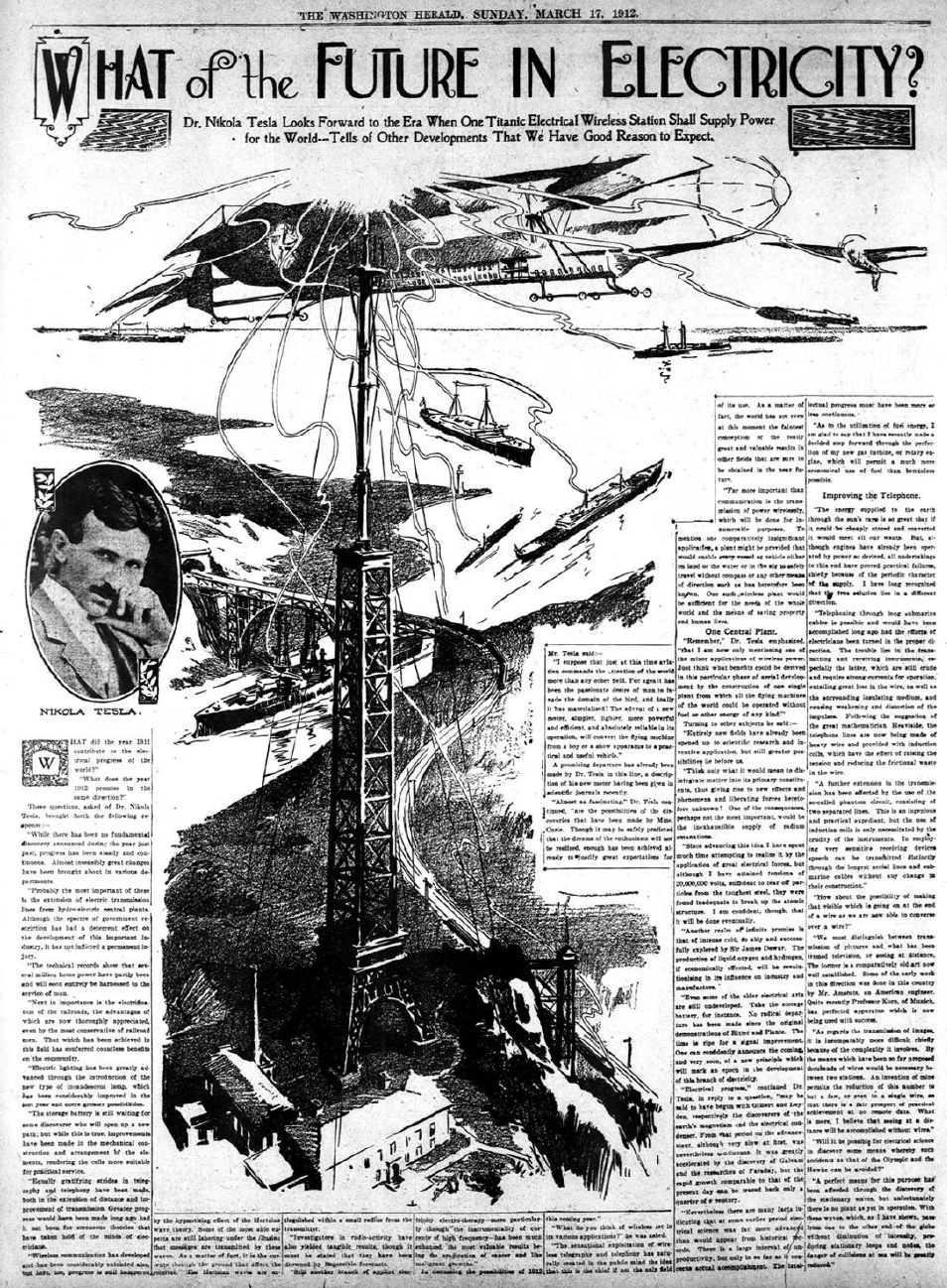
“What has been so far done by electricity is nothing compared with what the future has in store.”
Tesla foresaw the revolutionary impact that electrification would have on mankind. Thirty-five years later, in a small workshop in Linköping, a team of engineers began converting alternating current into the direct current that would quietly carry his predictions into being.
- 01Kraftelektronik1935
- 02Powercon1971
- 03Expansion1945
- 04Innovation1960
- 05Global Reach1979
- 06Craft & People1995
- 07New Era1999
- 08Going Global2008
- 09KraftPowercon Today2015
- 10Looking Ahead2025
When Kraftelektronik AB and Powercon merged, the swoosh in our logo symbolised how two became one — a single mark holding two cultures and two businesses together.
Today we are a global company, and our logo symbolises the integration of multiple cultures into one entity.
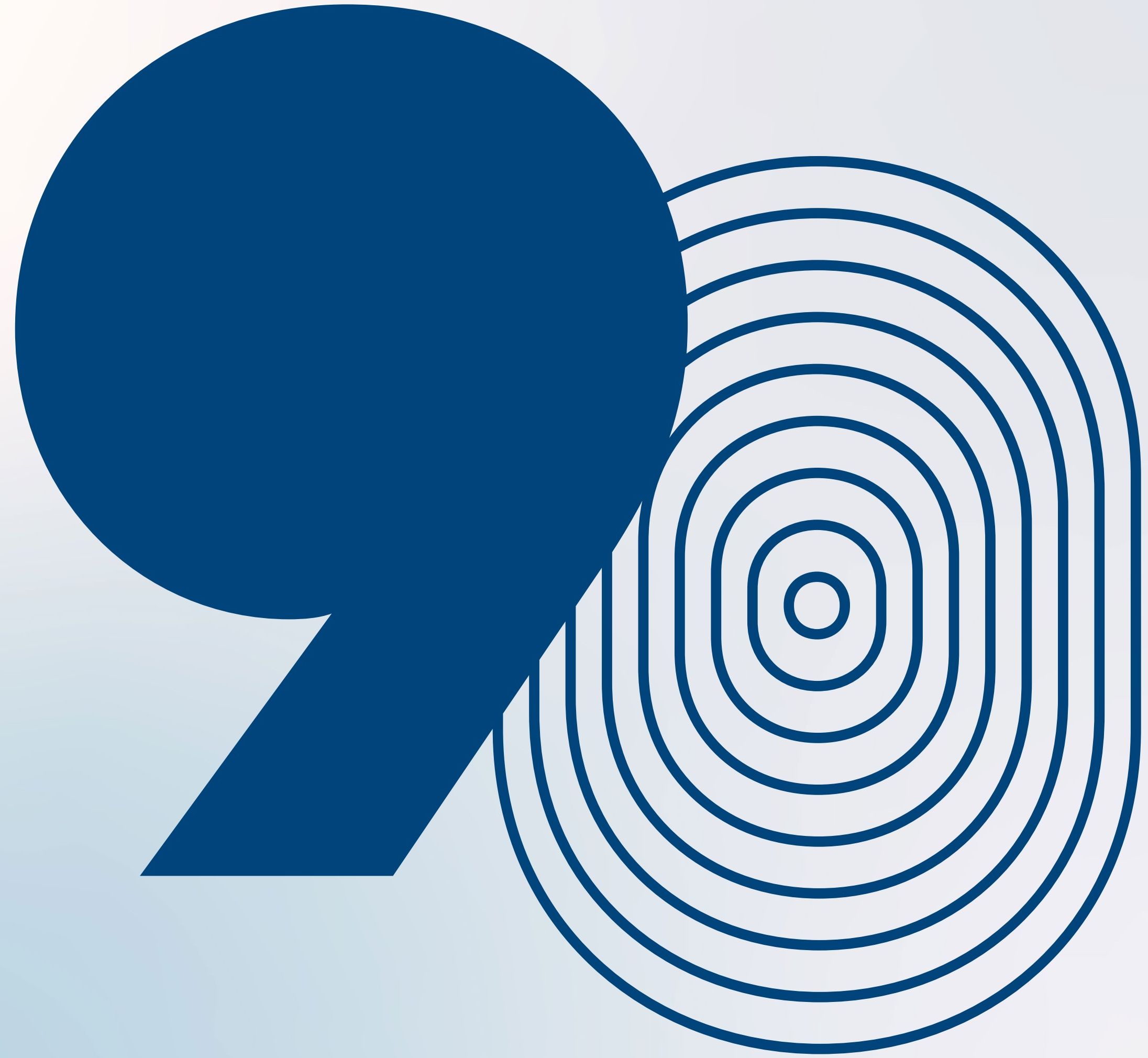
At the heart of the mark is the combination of the numerals 9 and 0. The solid 9 represents strength, reliability and the foundation built over nine decades. The 0 is formed by nine concentric flowing lines — tree rings of growth, movement of energy through a converter, and a future-oriented mindset. The deep blue conveys trust and technical expertise; the gradient from blue to orange traces the movement from heritage to future, from established experience to new energy.
The Rectifier Department
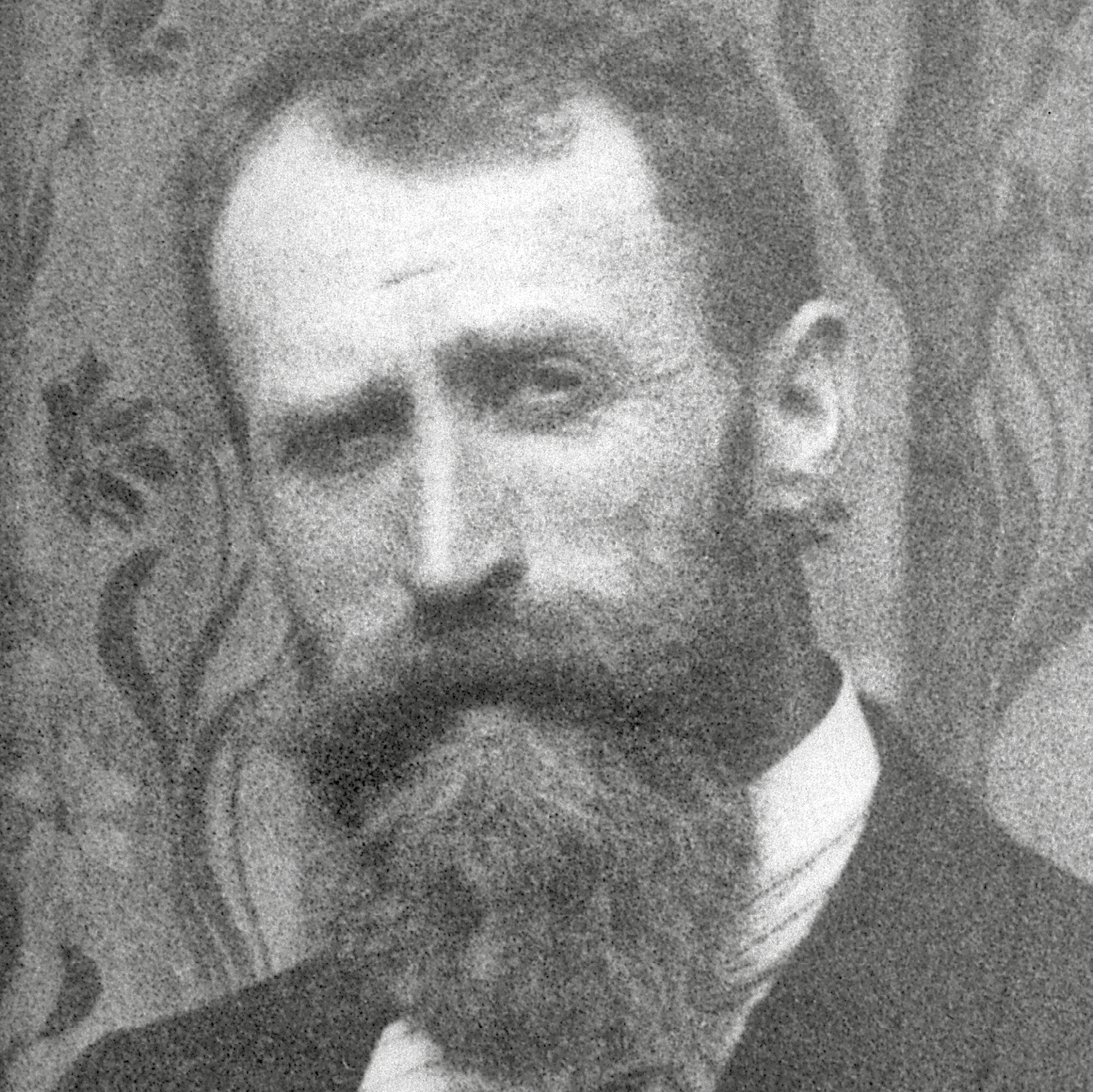
Henri Tudor
Henri Tudor — most famous for inventing the world's first practical lead-acid battery — founds TUDOR battery factories across Europe. The lineage that becomes Kraftelektronik, and later KraftPowercon, begins here.
The Rectifier Department
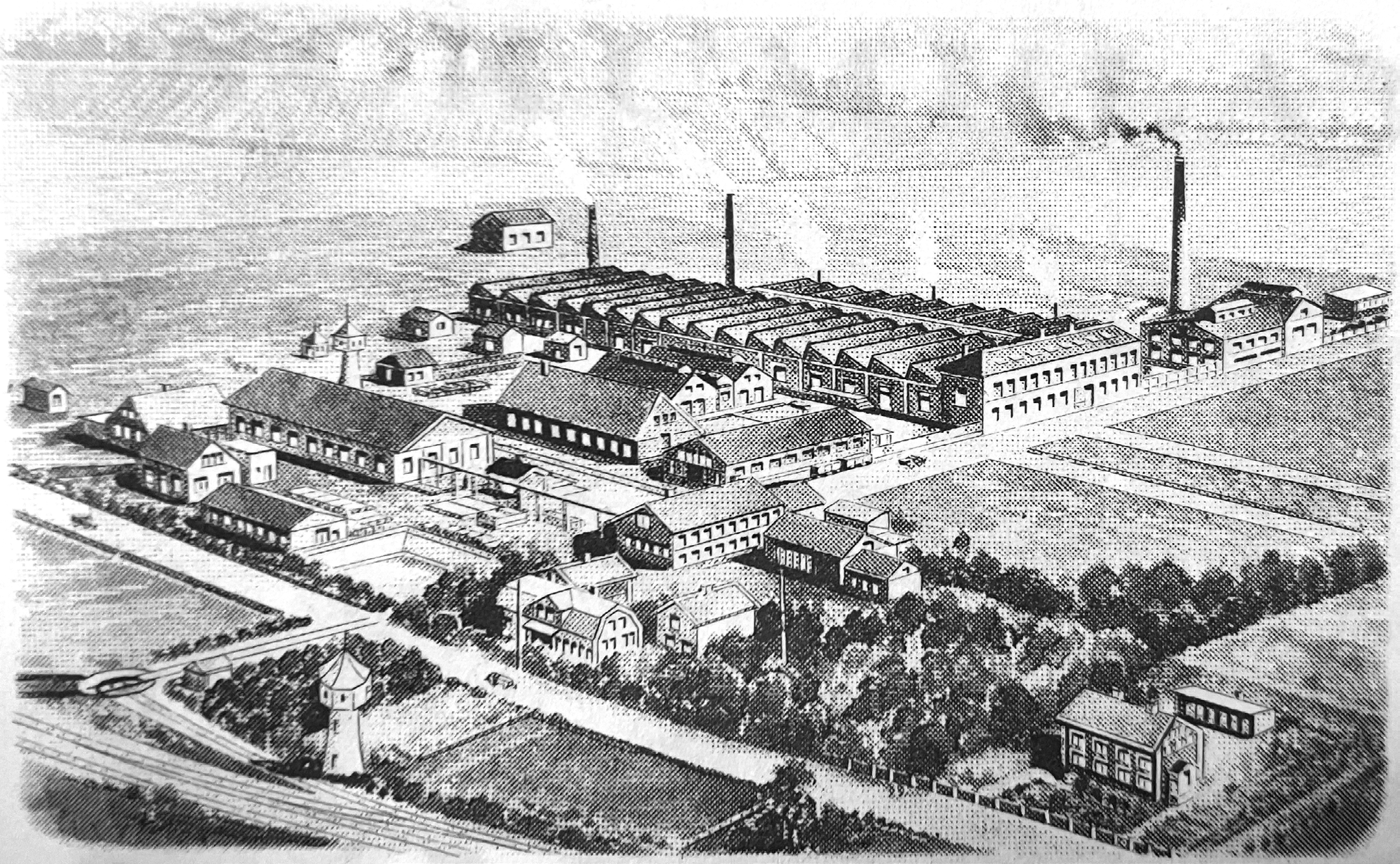
Business begins making battery chargers under the German-owned TUDOR in Linköping, inside the facilities of Svenska Transformatorfabriken. This is the origin of the rectifier and power-supply lineage that becomes Kraftelektronik and later KraftPowercon.
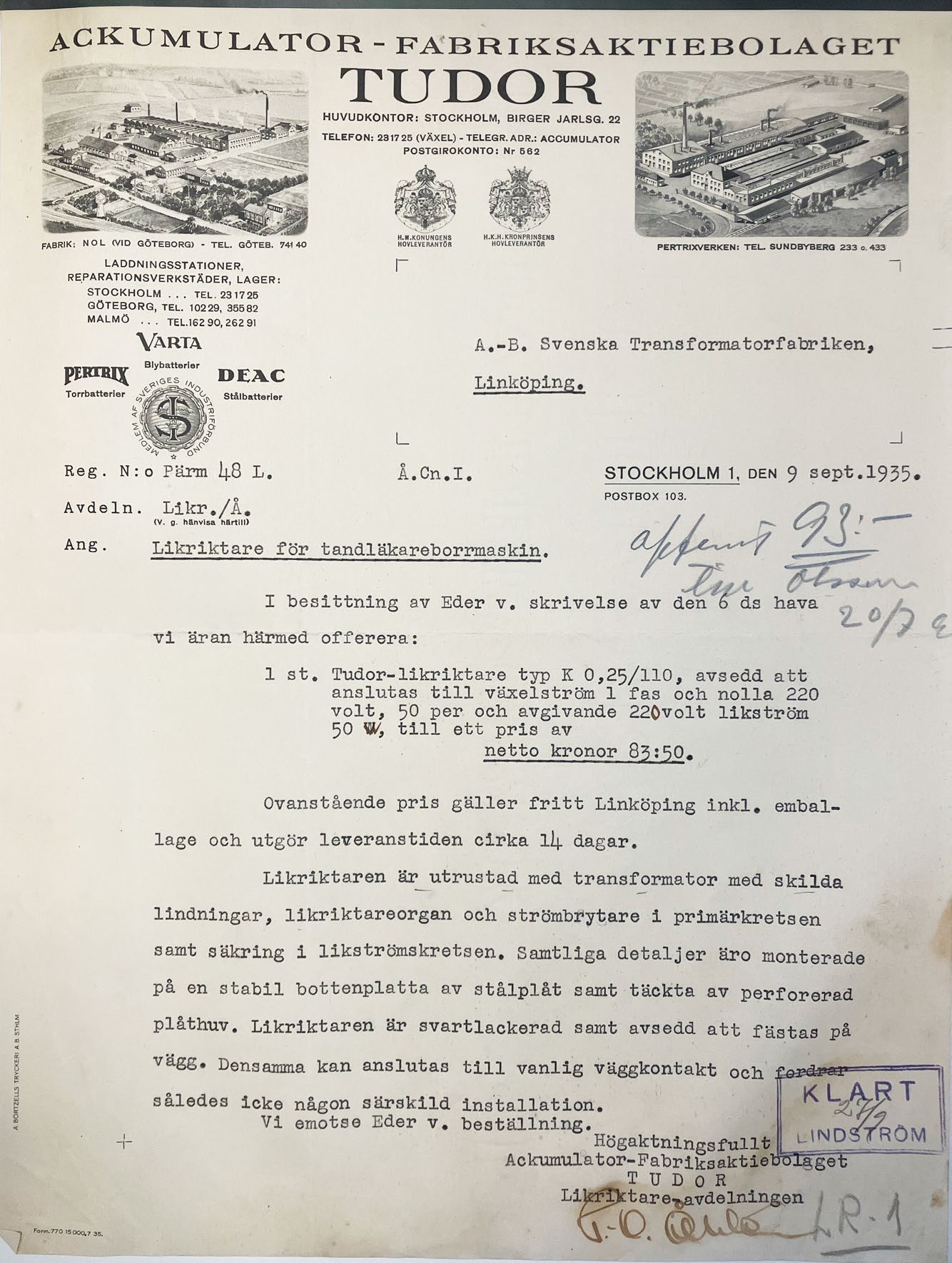
A rectifier for a dentist's drill
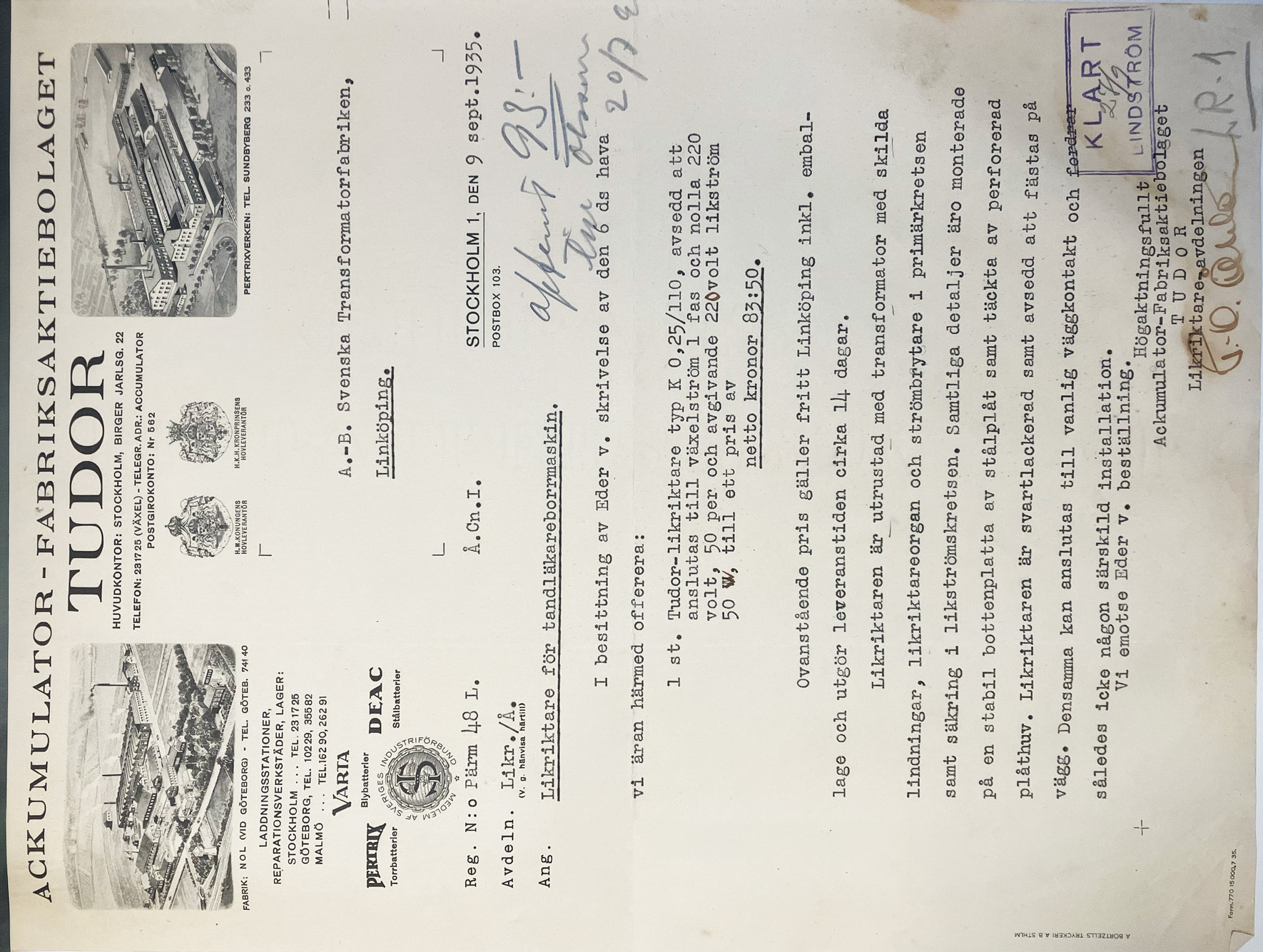
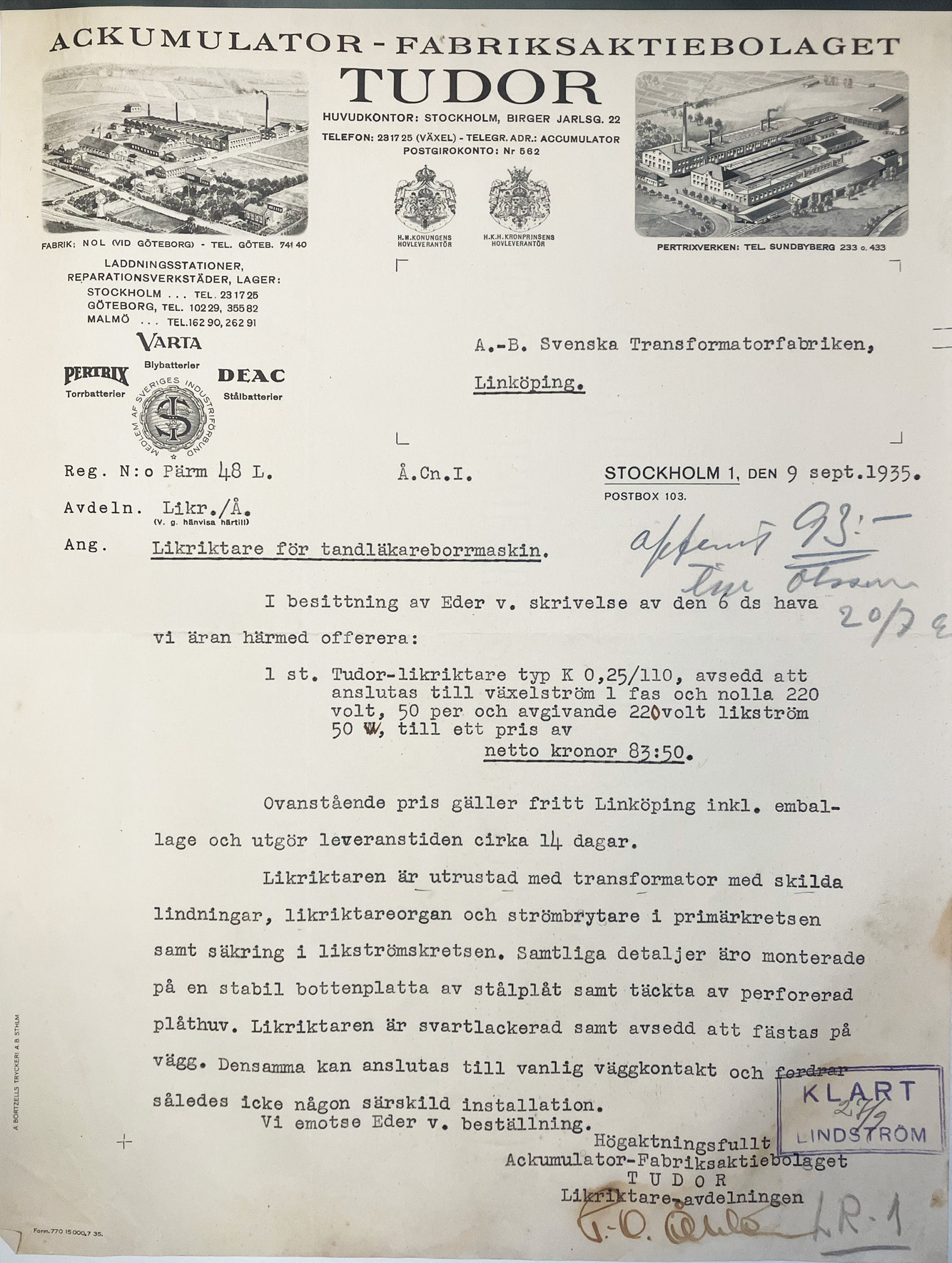
One of the earliest known commercial offers: a Tudor rectifier type K 0,25/110, designed to convert 220 V AC into 220 V DC at 50 W, for use with a dentist's drill in Linköping.
Price: 83:50 kronor net — roughly 4,900 SEK at 2025 prices. Delivery time: about fourteen days. The unit is black-lacquered, wall-mounted, equipped with a separate-winding transformer, primary switch and DC fuse, and ready to be plugged into an ordinary wall socket.
"We have the honour to hereby offer one Tudor rectifier type K 0,25/110, delivering 220 V DC, 50 W… The above price applies free at Linköping, including packaging. We look forward to receiving your order."
— Ackumulator-Fabriksaktiebolaget Tudor, Rectifier Department
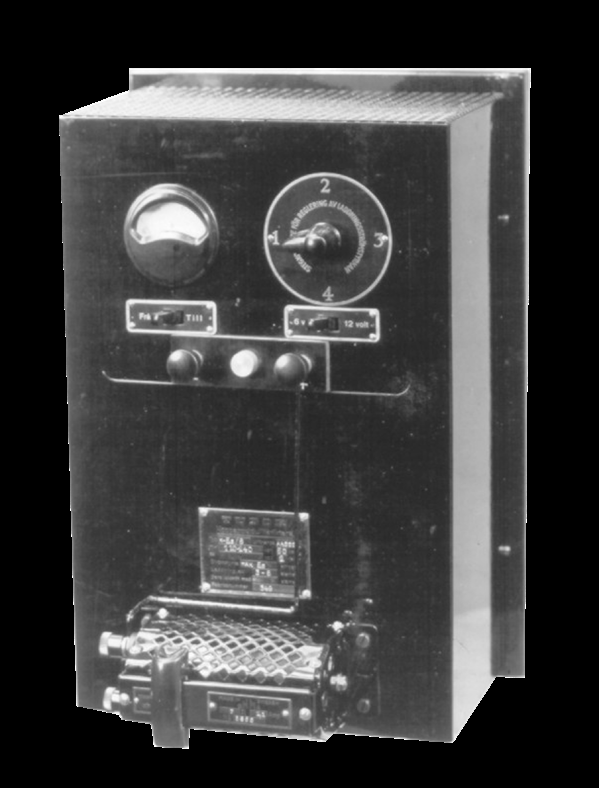
Rectifier Type LR34
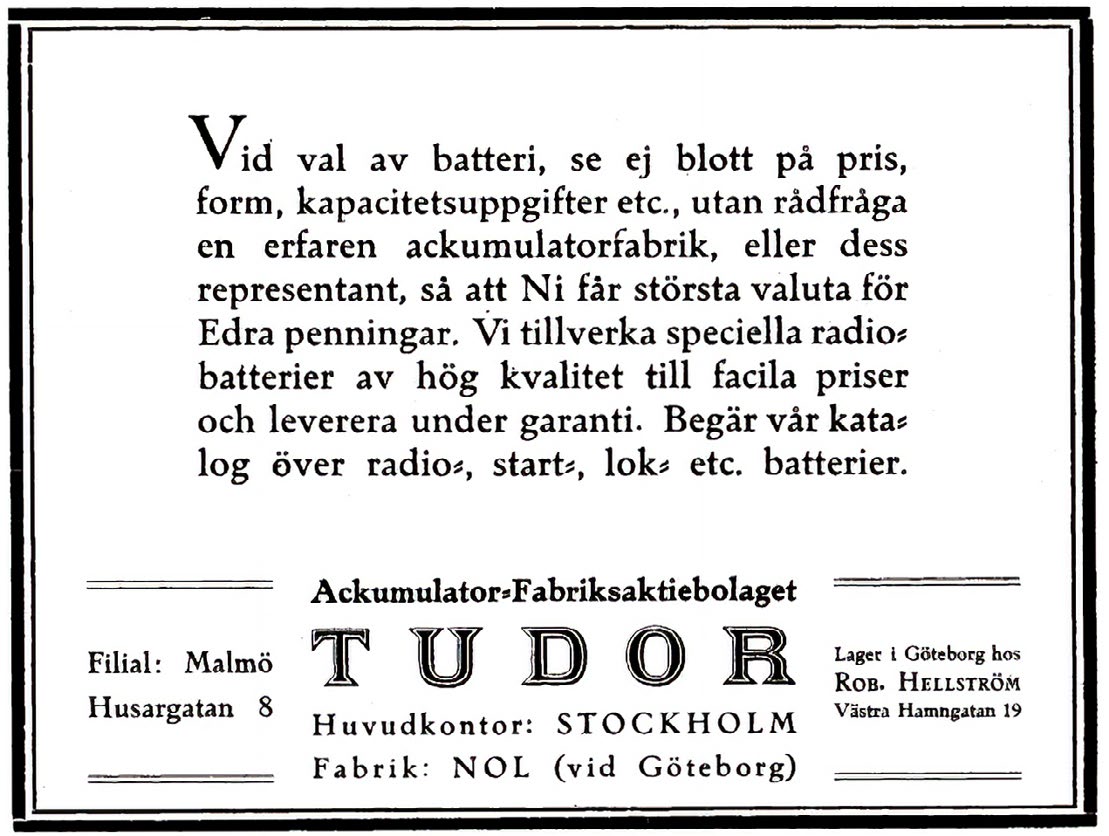
Tudor Rectifier Type LR34 — 5.5 A at 6 V, serial number 349 — leaves the workshop. Newspaper advertising of the period urges customers to look beyond price and capacity, and to consult an experienced accumulator factory to "ensure the best value for your money."
By Royal Warrant
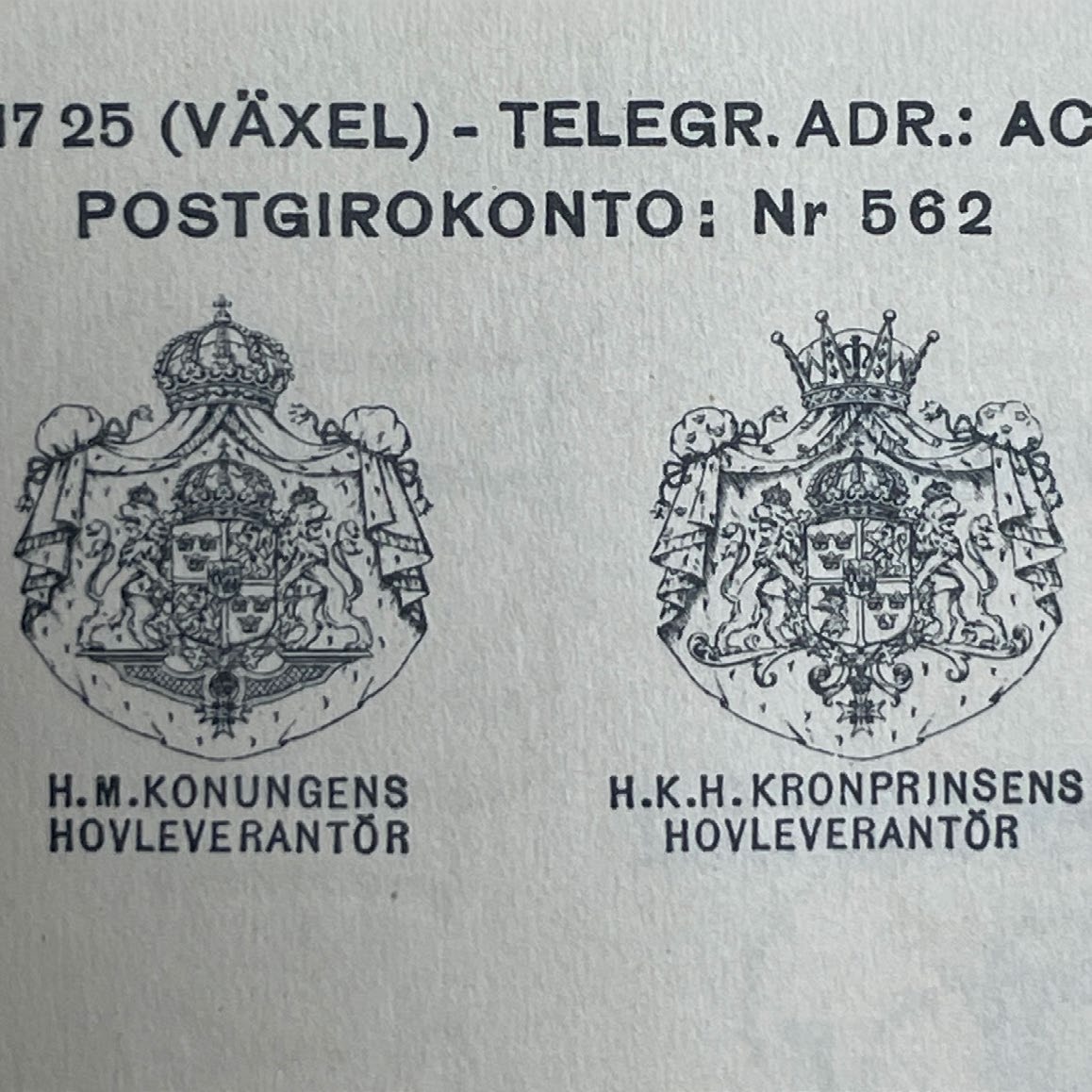
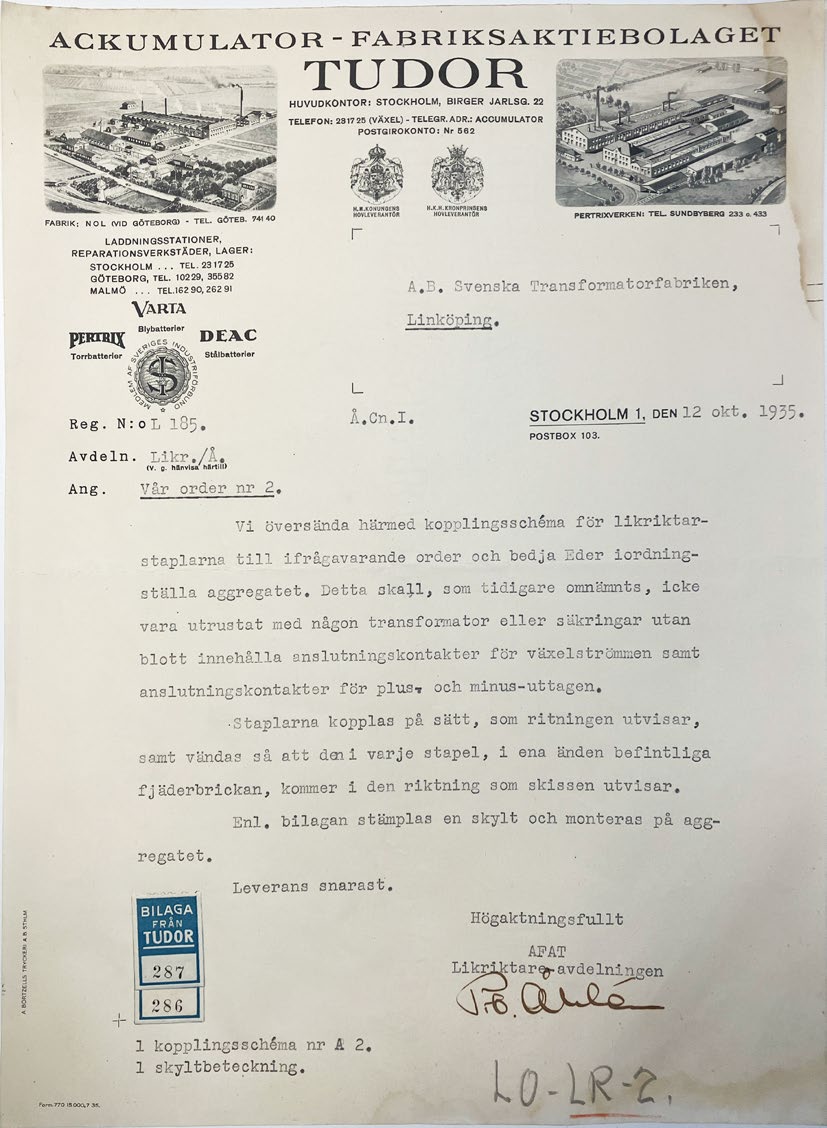
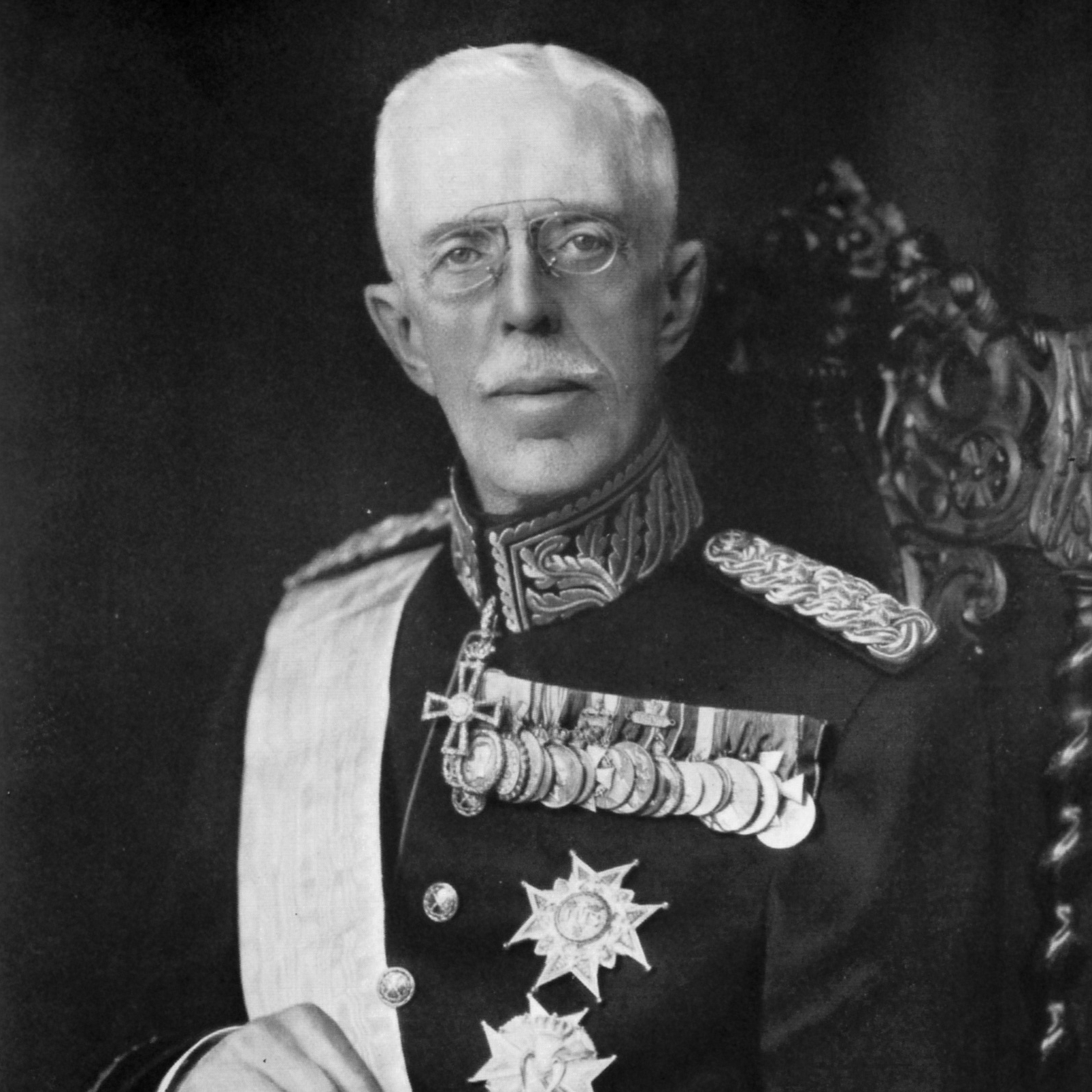
Tudor — the predecessor of KraftPowercon — is appointed Kunglig Hovleverantör, Royal Warrant Holder, in Sweden. The designation recognises exceptional quality and reliability in supplying electrical equipment to the Swedish Royal Court — a legacy of excellence that continues to shape KraftPowercon's commitment to world-class power solutions today.
A Bet Over Coffee
Nupoint Instruments, Pune
Originally established as Nupoint Instruments by Vijay Jakkli, who studied Power Electronics at Aston University, Birmingham. On returning to India, he joined the Indian Space Organization's Physical Research Laboratory in Ahmedabad, working on radio telemetry for atmospheric and space research. A family connection drew him back to his hometown, Pune, where he joined the Central Water and Power Research Station.
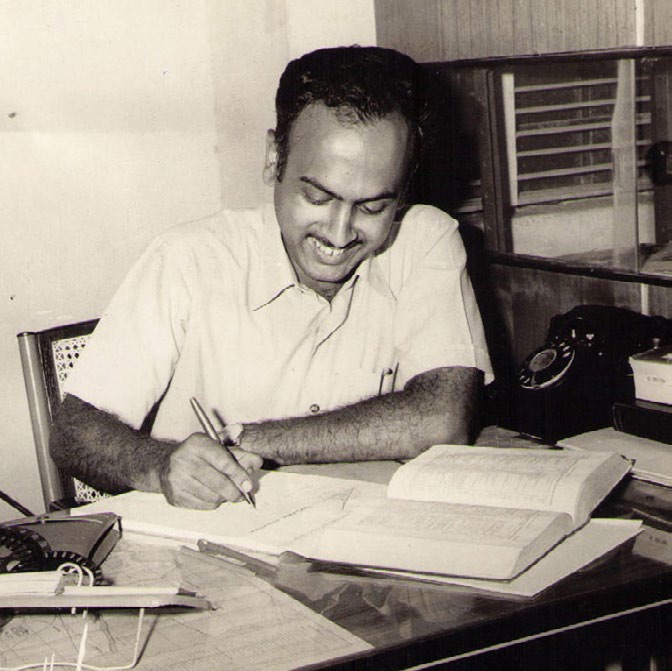
One hundred rupees, one week, one prototype
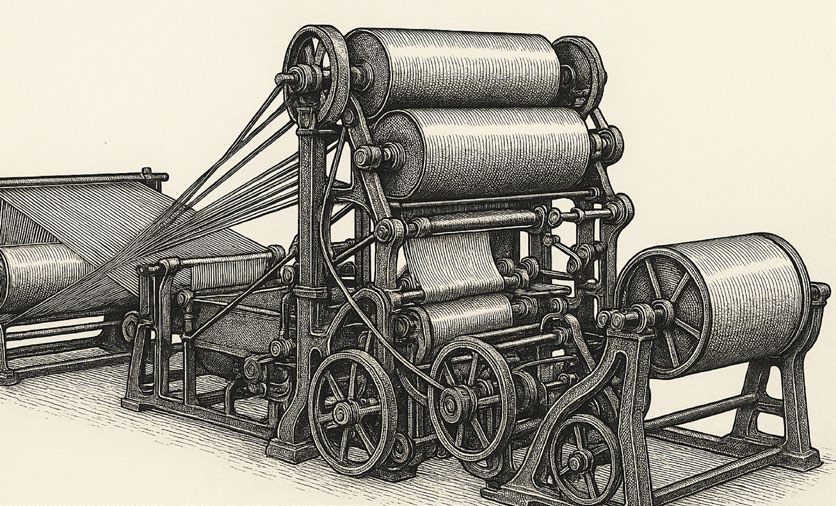
Over a casual coffee meeting with friends, destiny took its course. Pune and Mumbai were thriving centres for the textile industry; a major challenge for yarn manufacturers was controlling coating quality and minimising breakage. The existing manual adjustments were highly inaccurate.
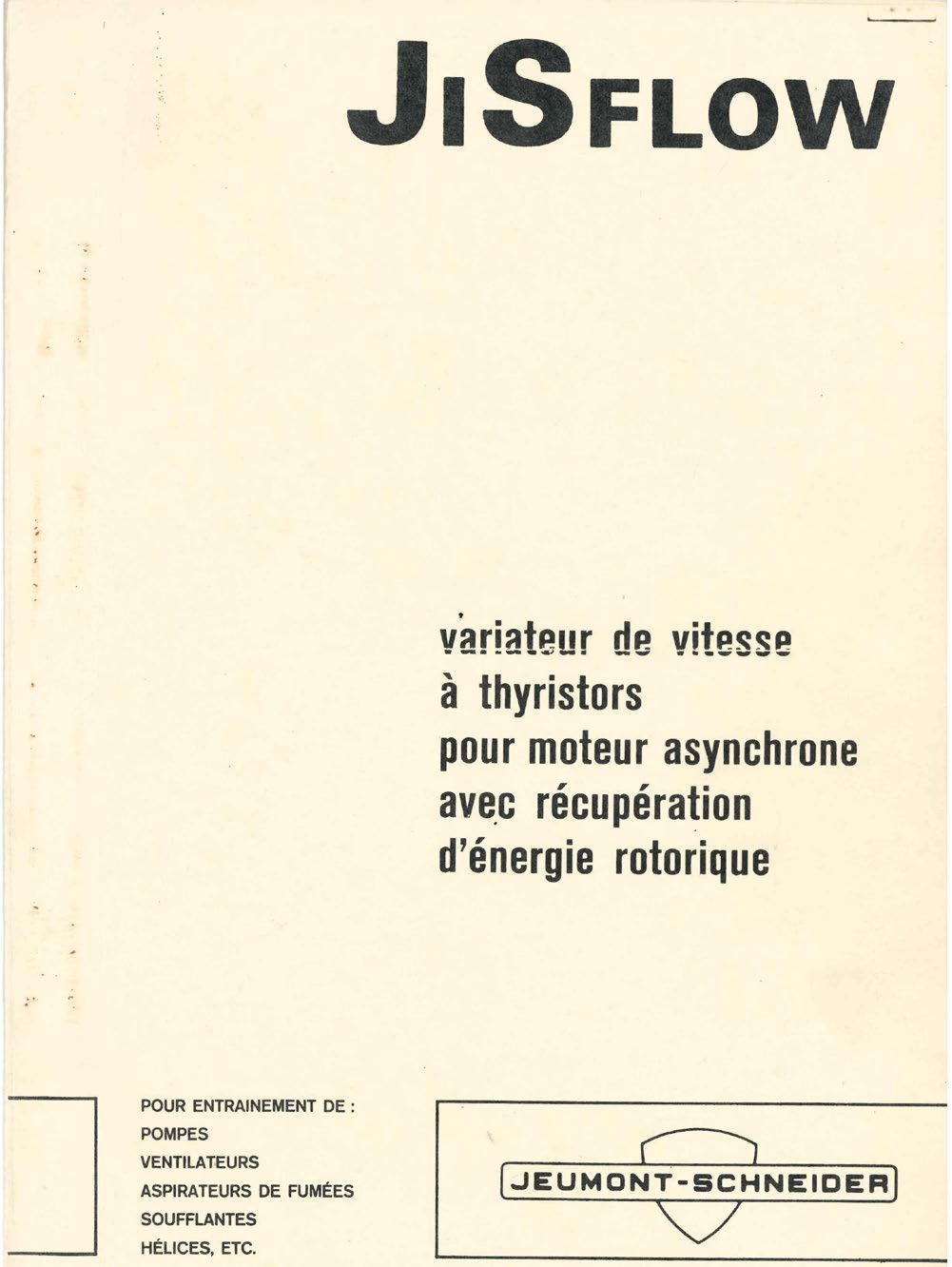
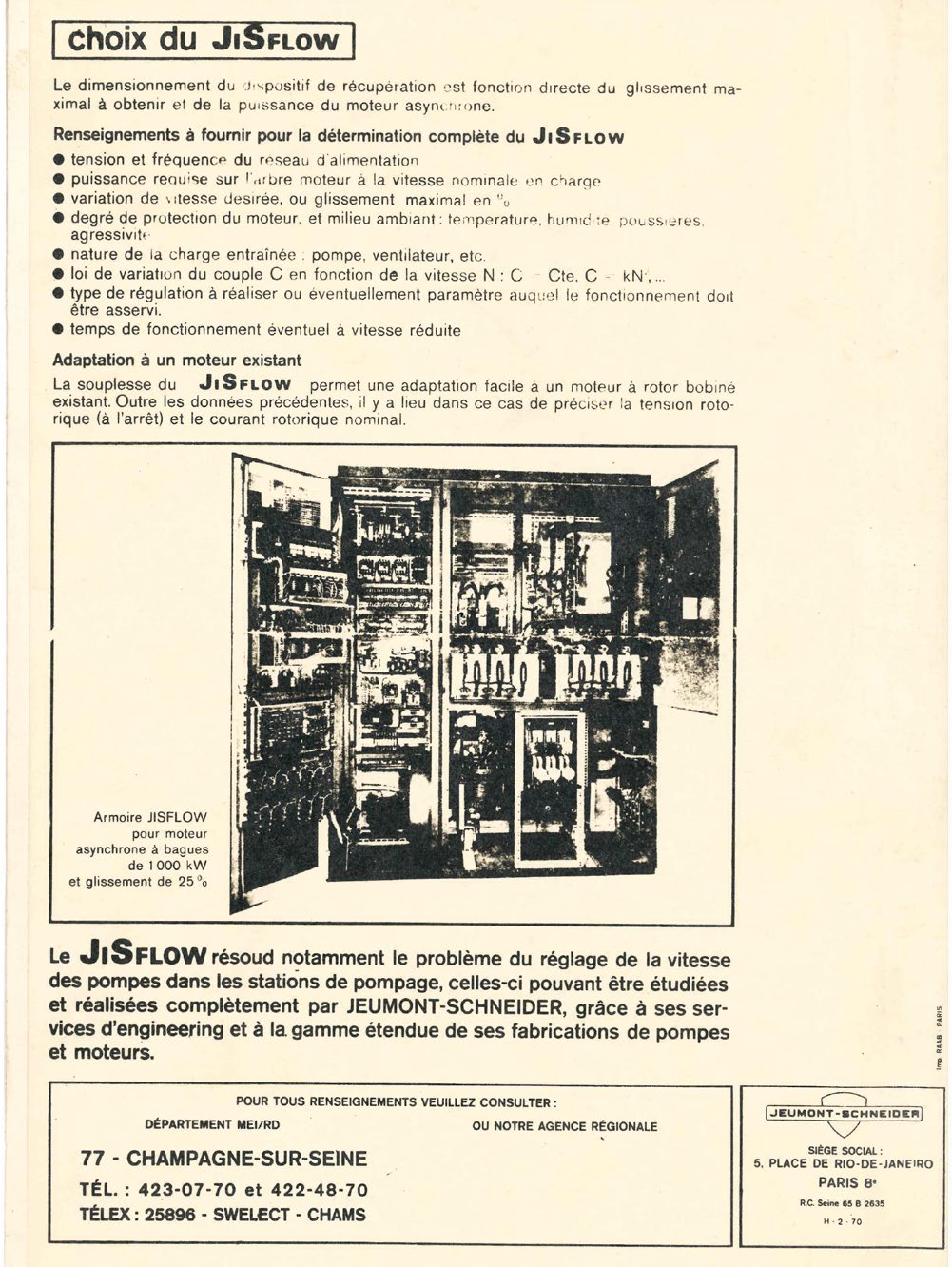
A friend shared a brochure from Schneider Electric — the JISFLOW — describing a device that could automatically regulate motor speed. The brochure lacked technical detail, but sparked an idea. Vijay and his close friend Dilip Jadhav, an electric-motor engineer, took it upon themselves to build a similar device using power electronics. A friendly bet of one hundred rupees was made: build a working solution within a week.
Vijay travelled to Mumbai to procure thyristors — the state-of-the-art power semiconductor of the day. A working prototype with a simple control circuit was produced in three days. Dilip machined and wound a slip-ring motor. By the end of the week, they demonstrated variable-speed performance on the prototype.
The innovation was refined into a commercial product — the RC100 (RC for Rotor Control) — designed for automatic speed control of motors from 10 to 100 horsepower. The first industrial customer, Maschinenfabrik Zell, validated its efficiency in textile sizing machines, and the first installation took place at Morarjee Gokuldas Mills in Bombay, eliminating frequent yarn breakage.
Notebooks & thyristors
The original schemes drawn by Vijay in 1971 — handwritten notes, graph paper, control circuits for thyristors driving a slip-ring motor. The drawings that anchored a wager and started a company.
From a garage in Pune
Production starts in the garage of Vijay Jakkli's residence with a small team of five, including himself. As demand for the product grows, the company expands and eventually moves to 7, Electronic Estate in Pune — known to many of us today simply as our Pune office.
Nupoint Instruments evolves into Powercon in 1998 — just as Tudor had evolved into Kraftelektronik in Sweden. What began as a friendly wager over coffee laid the foundation for what would become one of the two origins of KraftPowercon.
Nol, AGA & the Post-War Boom
From Linköping to Nol
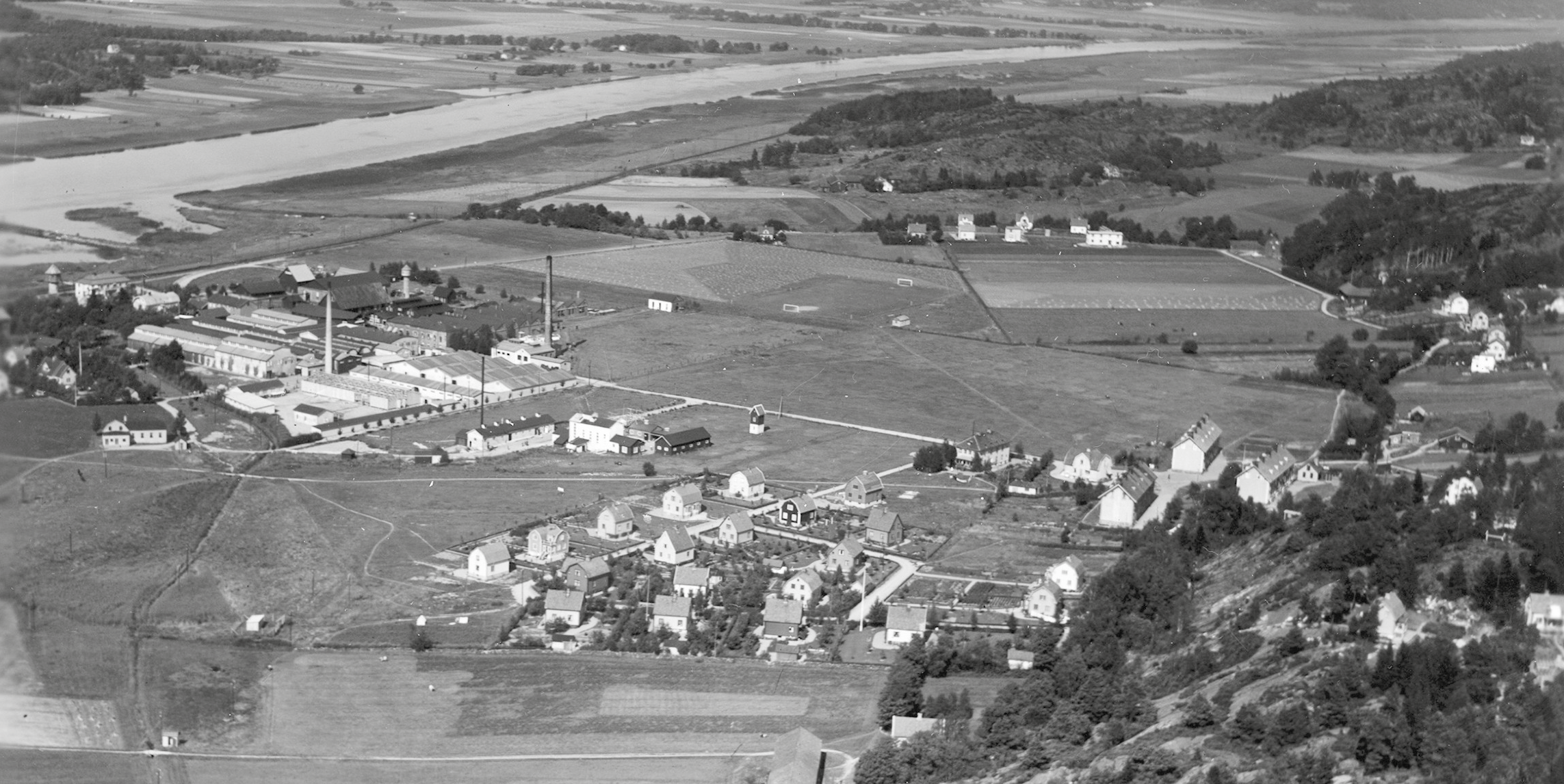
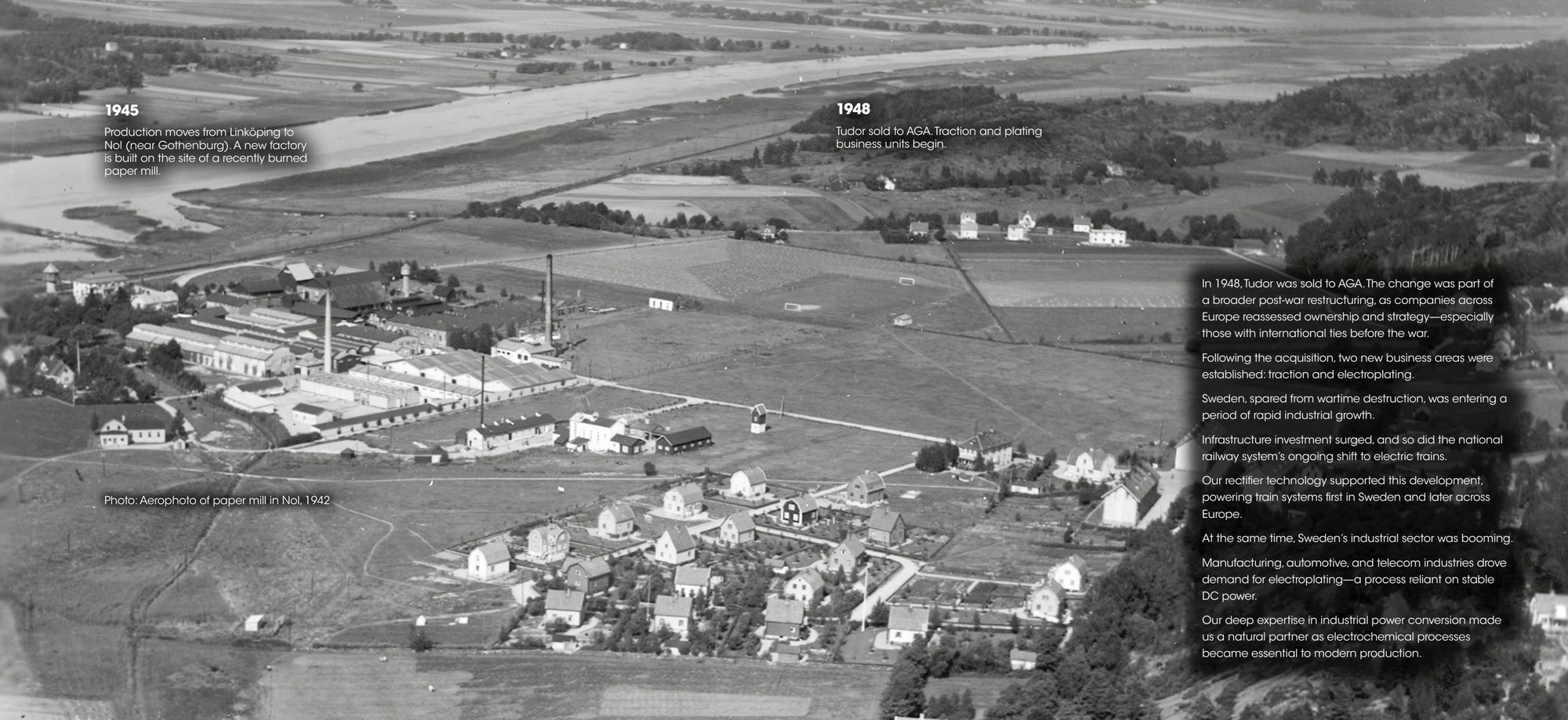
Production moves from Linköping to Nol, near Gothenburg. A new factory is built on the site of a recently burned paper mill on the Göta river.
Tudor is sold to AGA
In 1948, Tudor is sold to AGA — part of a broader post-war restructuring as European companies reassessed ownership and strategy. Two new business areas are established: traction and electroplating.
Sweden, spared from wartime destruction, enters a period of rapid industrial growth. Infrastructure investment surges; so does the national railway system's ongoing shift to electric trains. Our rectifier technology supports this development, powering train systems first in Sweden and later across Europe.
At the same time, Sweden's industrial sector booms. Manufacturing, automotive and telecom drive demand for electroplating — a process that depends on stable DC power. Deep expertise in industrial power conversion makes us a natural partner as electrochemical processes become essential to modern production.
The Surte landslide
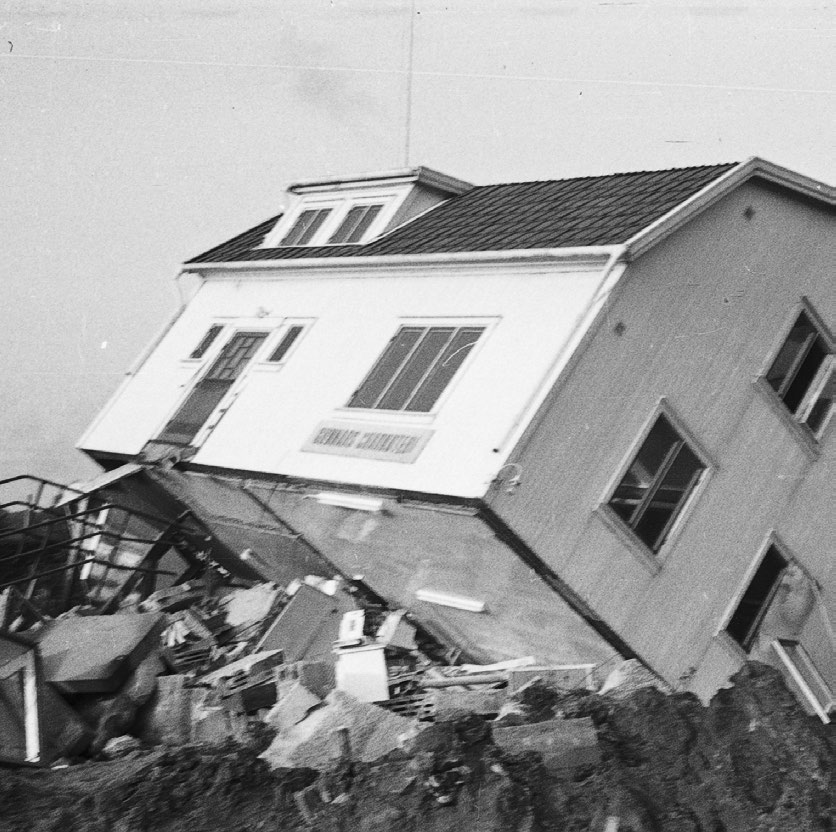
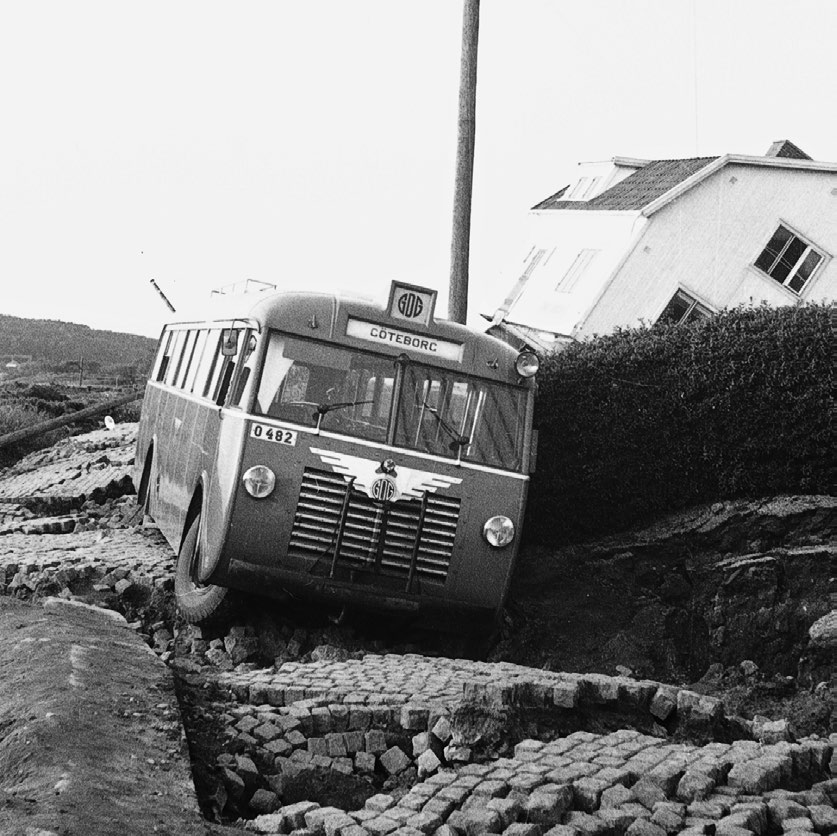
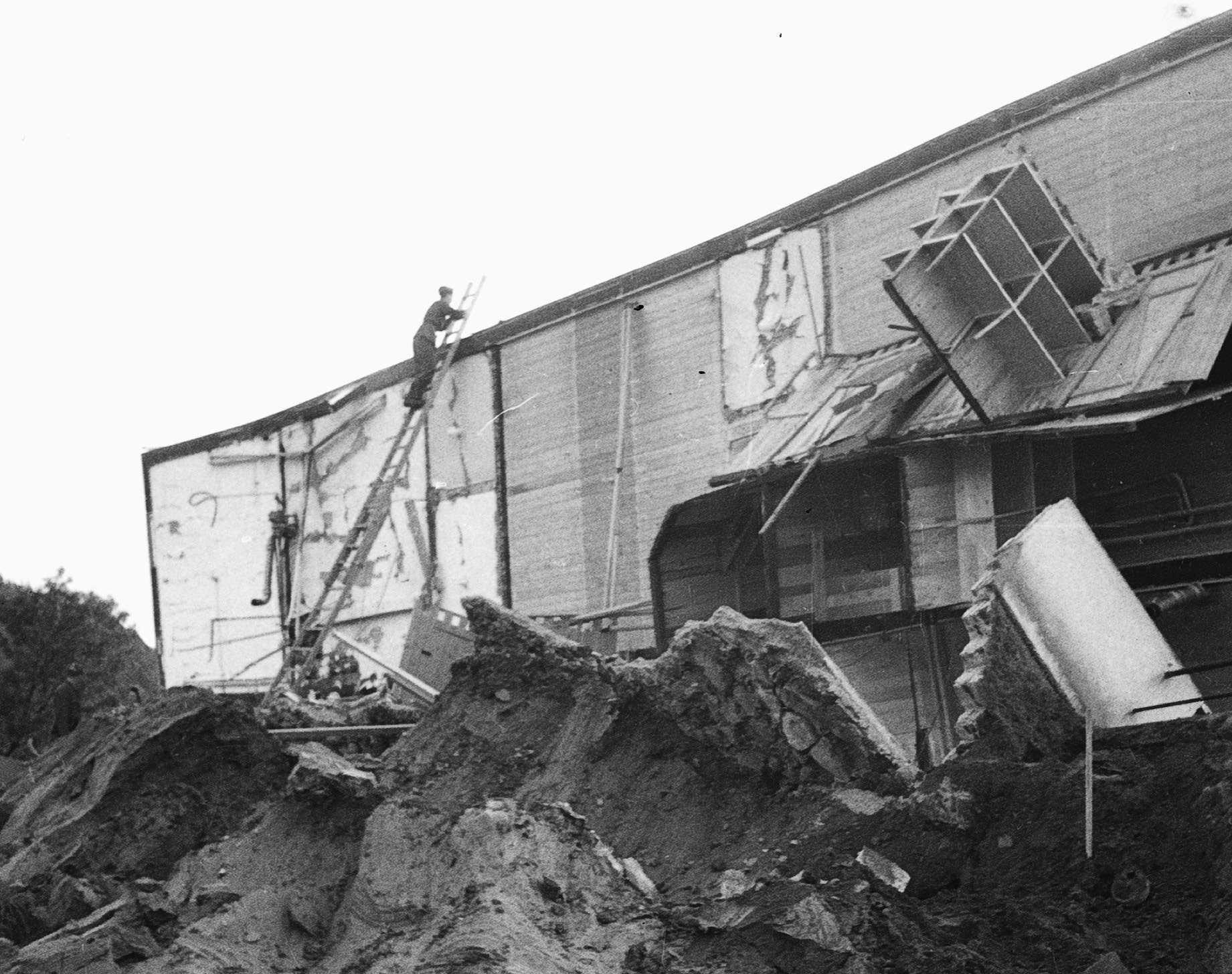
The Surteraset — the Surte landslide — disrupts commuter train service from Gothenburg to Nol, resulting in staff shortages. The landslide took place at 08:11 in the morning and lasted for about three minutes.
First high-voltage rectifiers
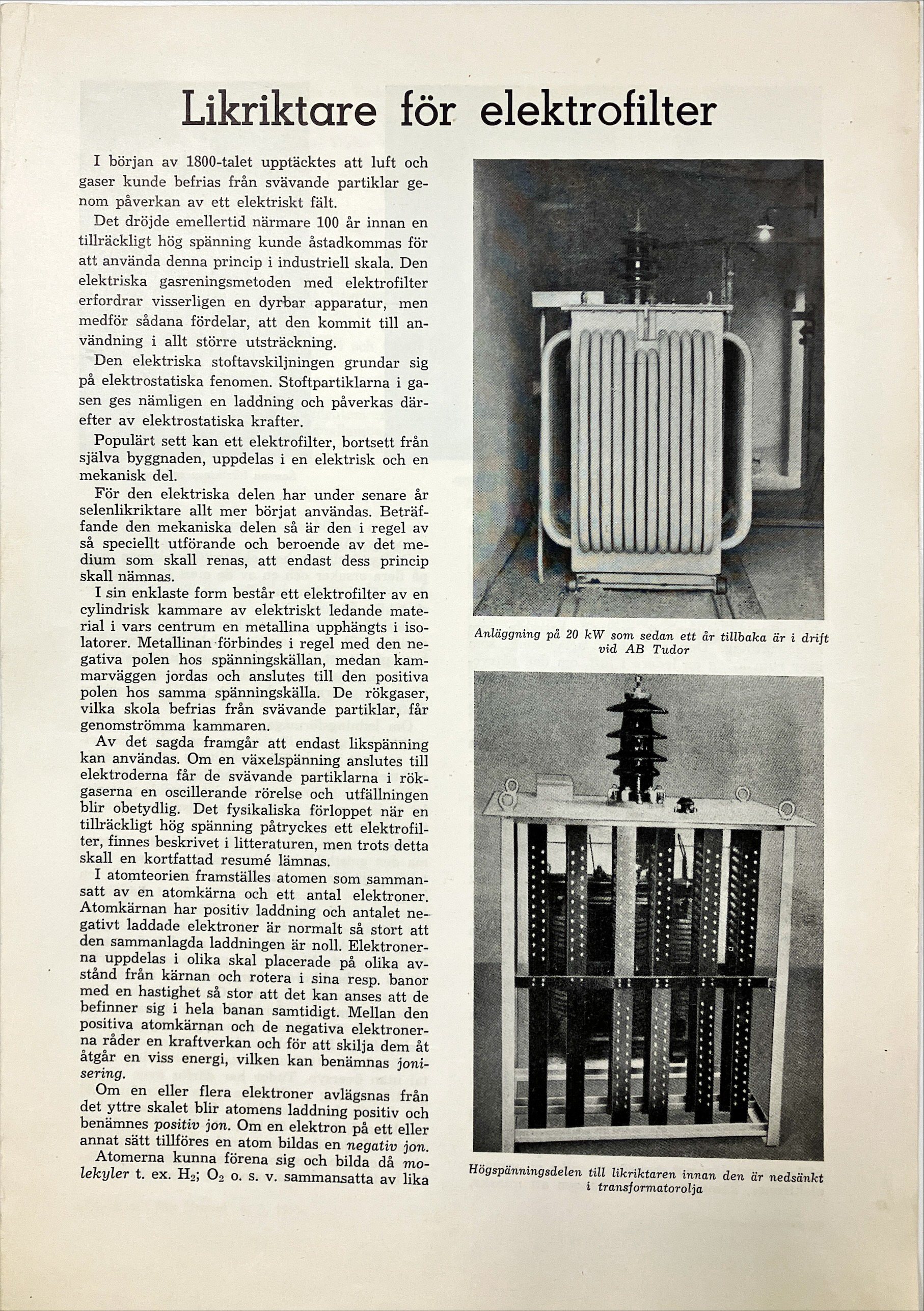
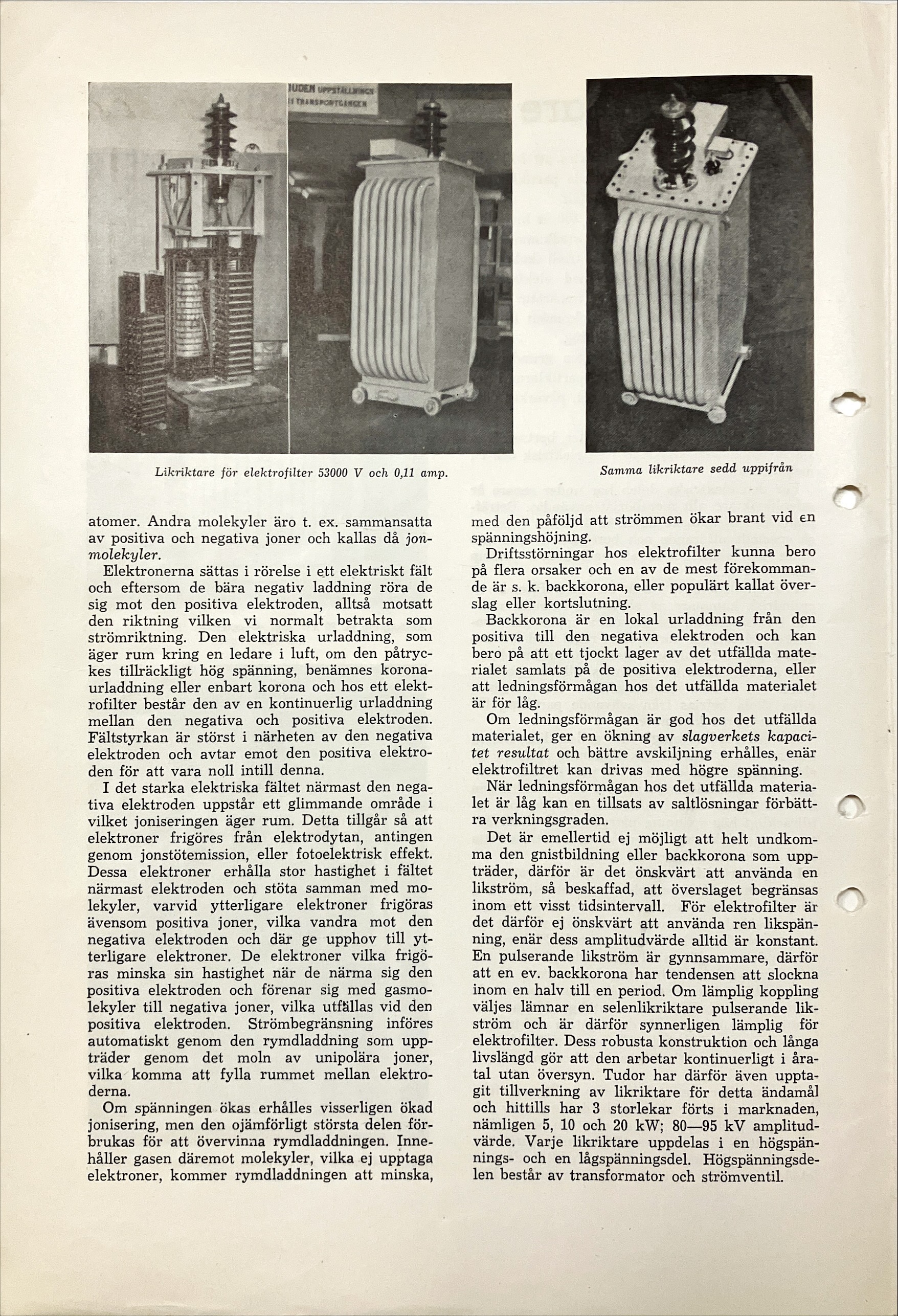
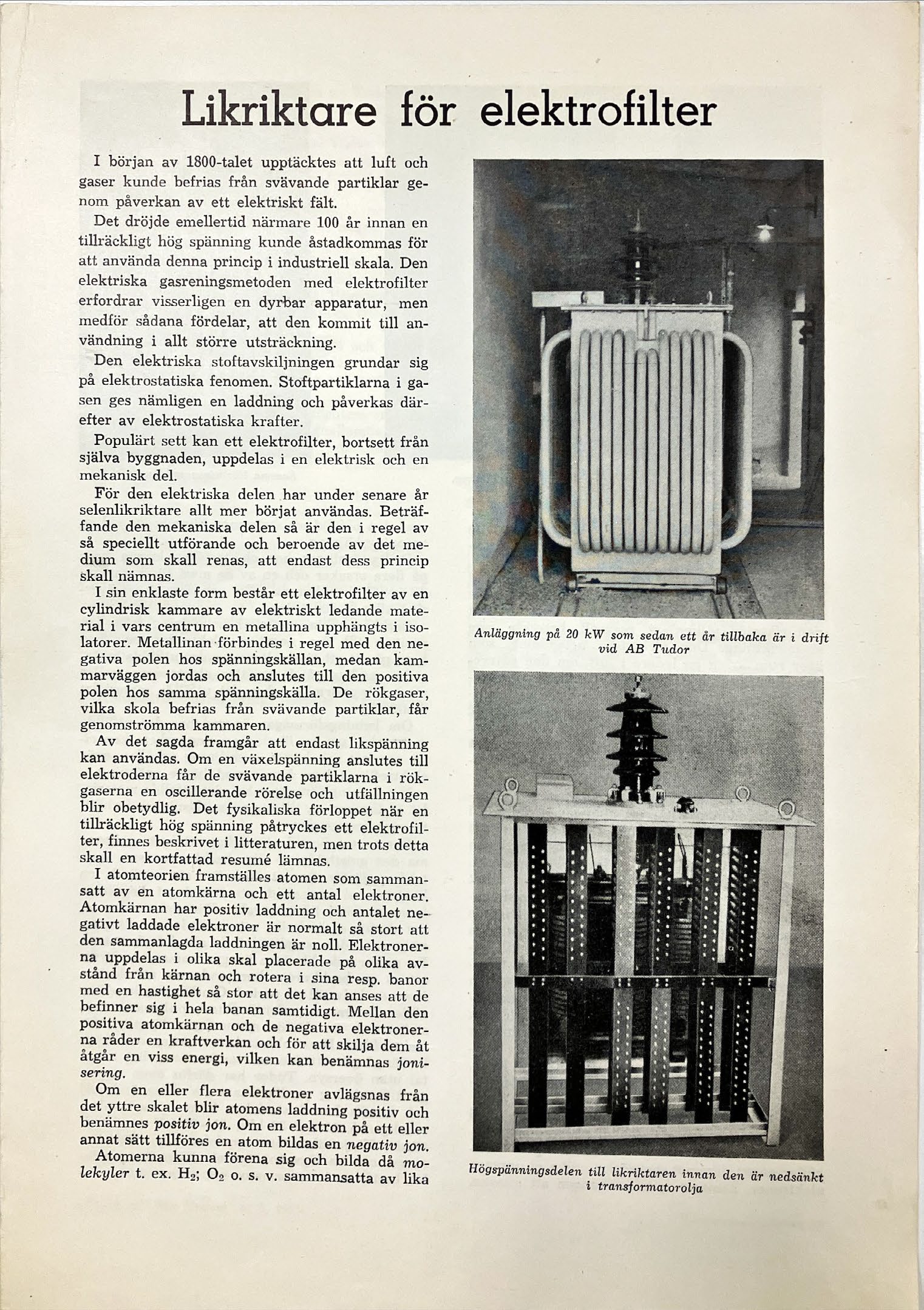
First high-voltage rectifiers are produced, using parallel selenium cells with capacitors — the start of more advanced HV industrial applications. Tudor begins manufacturing rectifiers for electrostatic precipitators, with three sizes introduced to the market: 5, 10 and 20 kW, at 80–95 kV peak.
"Anläggning på 20 kW som sedan ett år tillbaka är i drift vid AB Tudor." — A 20 kW installation, in continuous operation at AB Tudor for a year. Reprint from Vårt Element, no. 3, 1953.
ESP — a new business is named
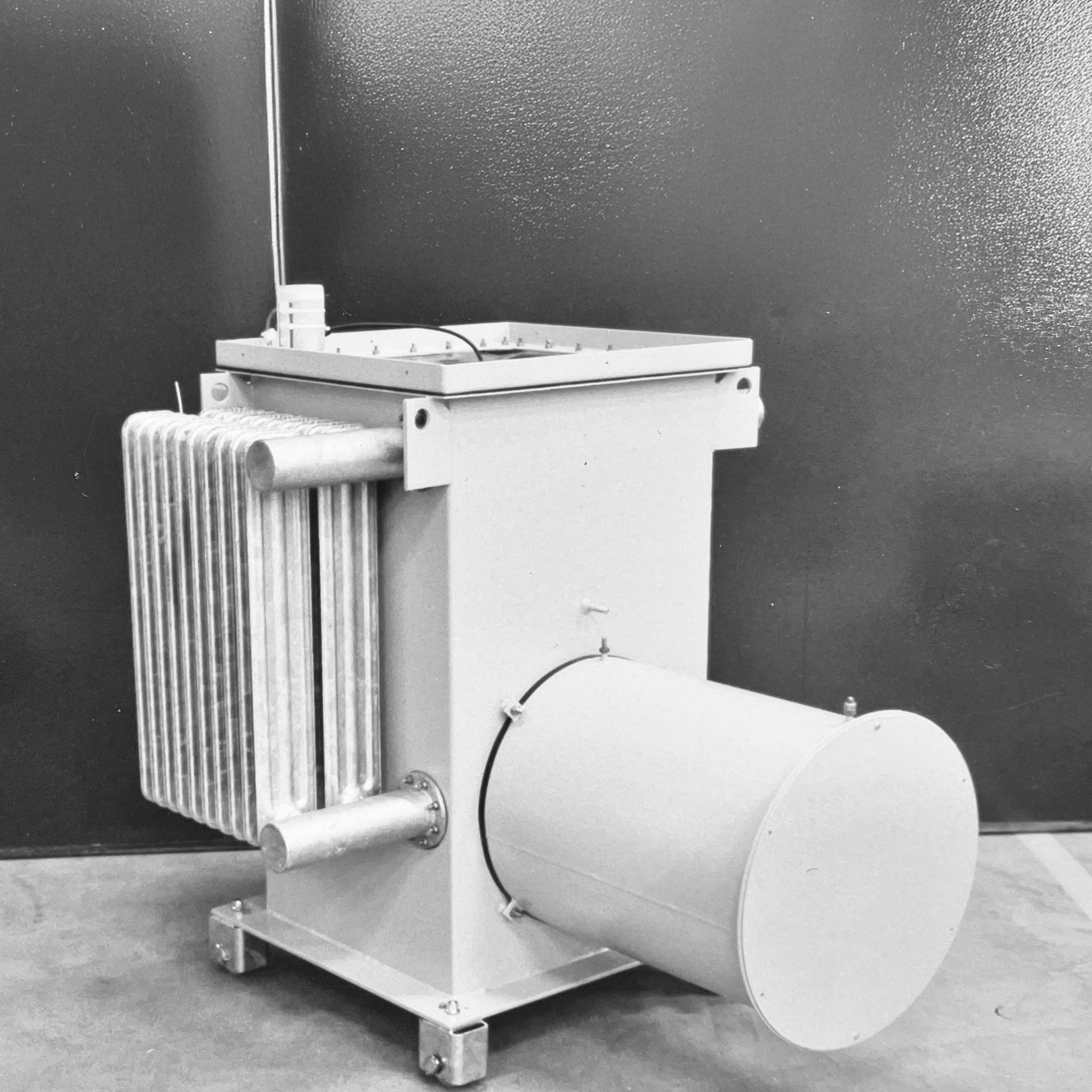
The ESP (Electrostatic Precipitator) rectifier business is explicitly added. Over time, ESP power supplies become key for industrial air-pollution control — and will quietly underpin decades of clean-air policy across Europe and Asia.
A drawing for SAS, Bromma
A drawing of rectifier KSMD 32/50, made by AB Tudor for SAS at Bromma airport, is added to the archive — one of many airport and aviation deliveries to follow.
Thyristors & No-Break
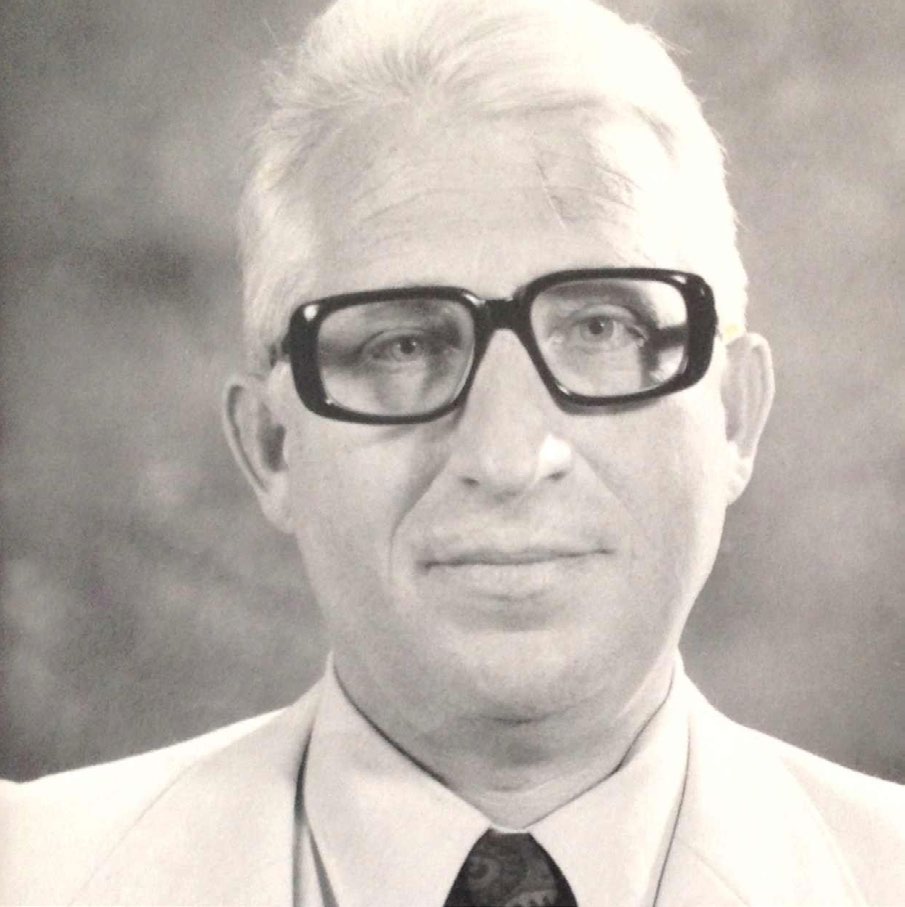
Leif Aasmund Kide, modernising Nol
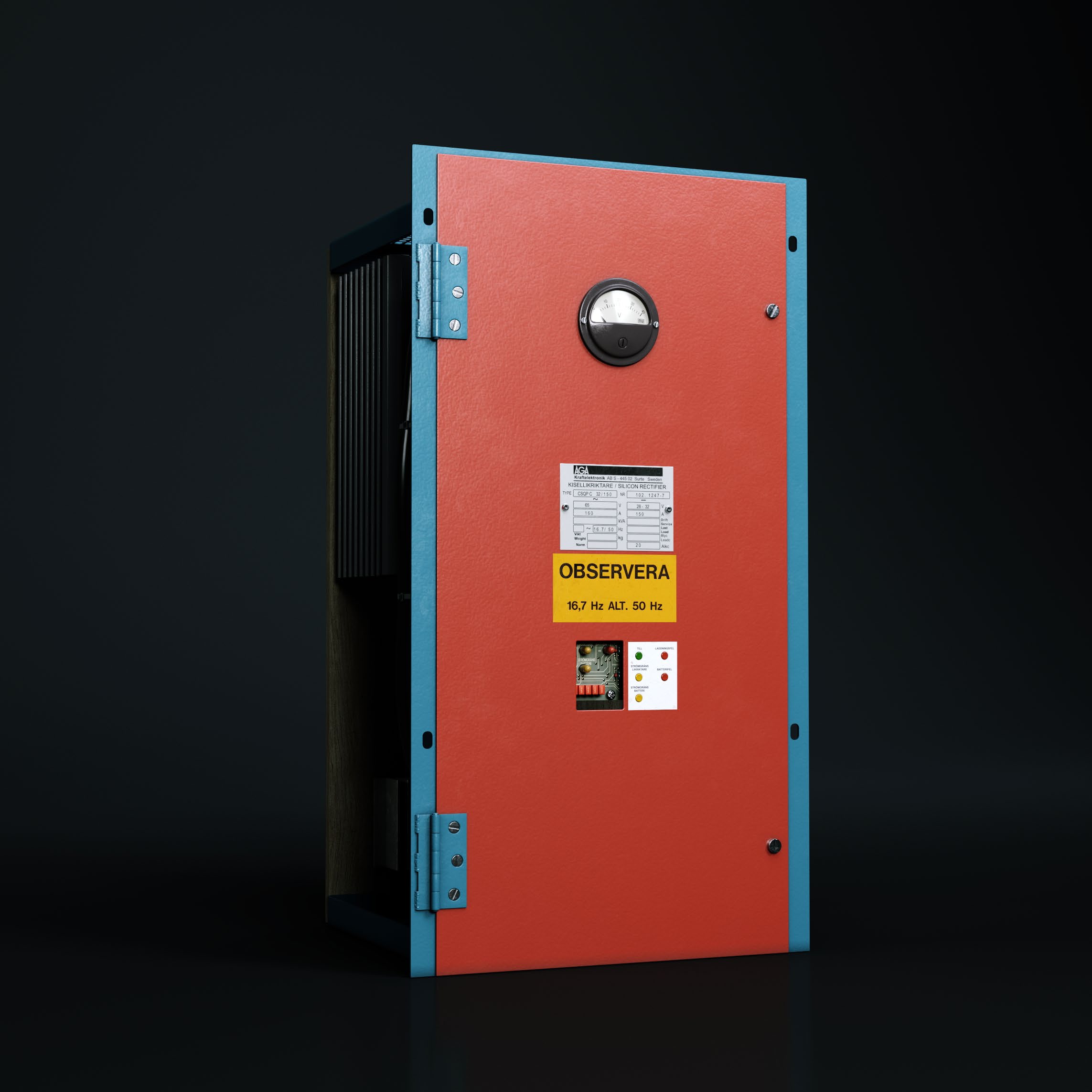
Leif Aasmund Kide becomes manager of the Nol rectifier factory. He pushes a programme of modernisation: thyristors in place of mercury-arc tubes, no-break systems, and advanced AC/DC converters.
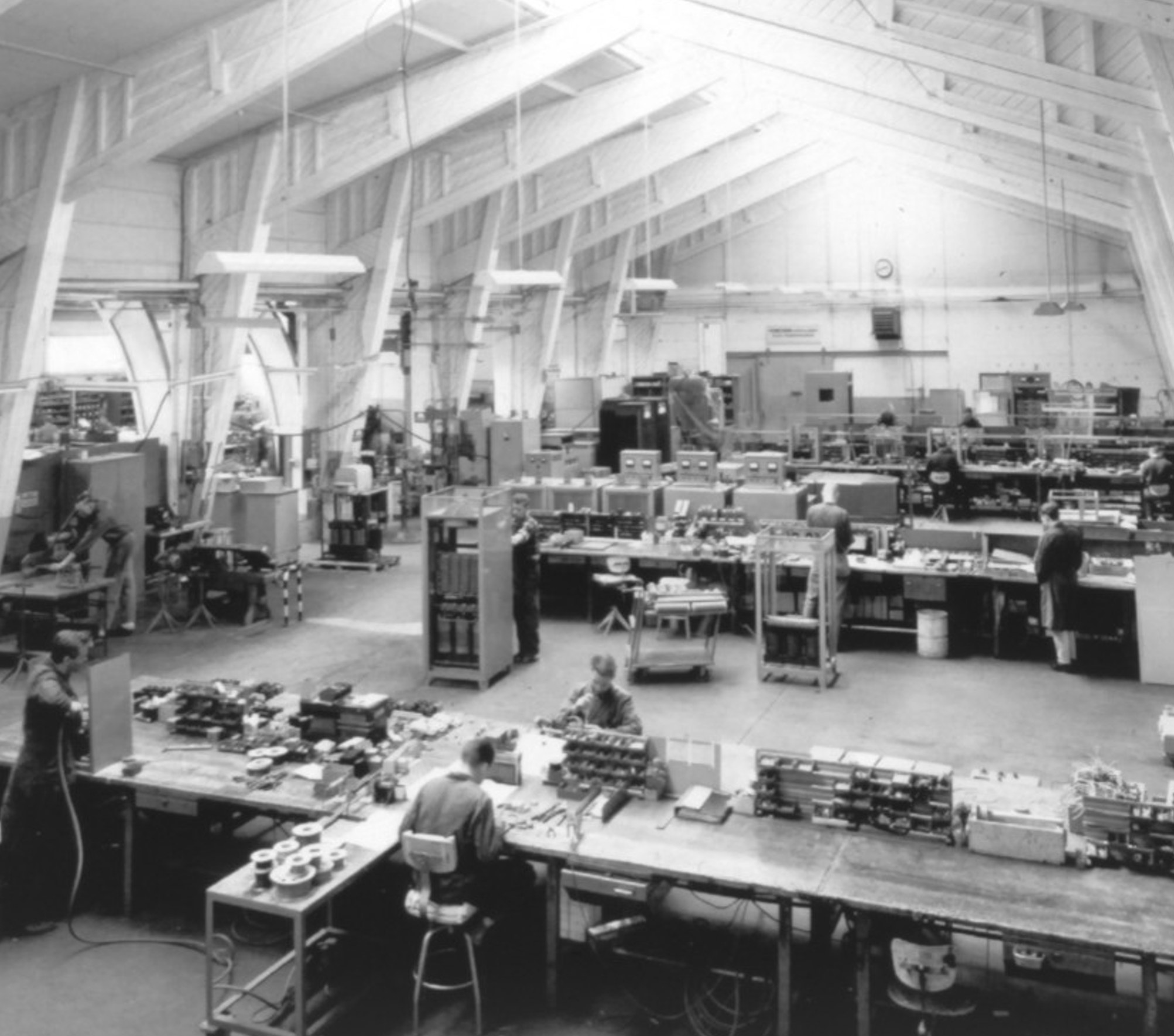
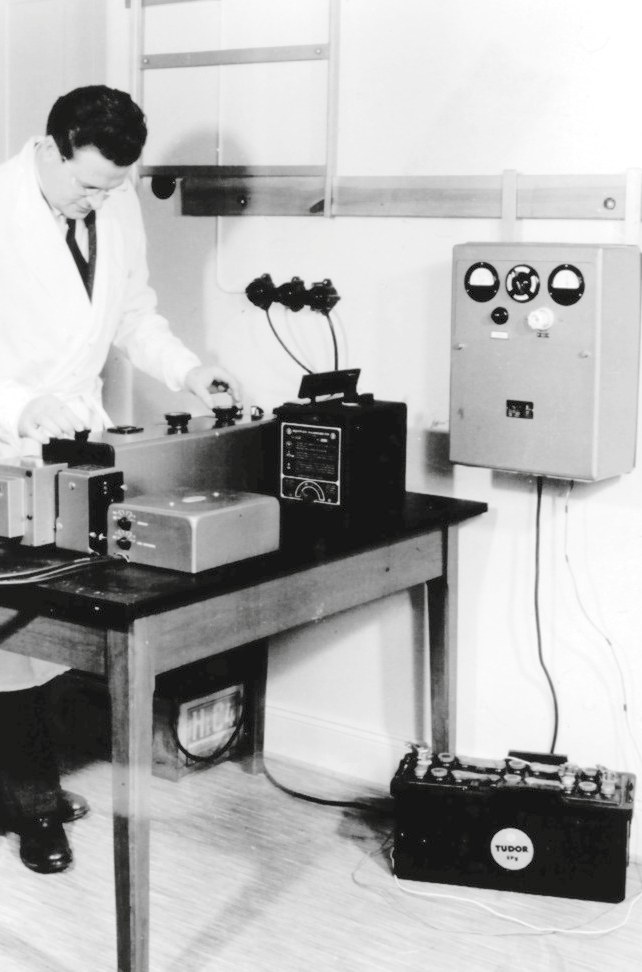
Worker with the old rectifiers
A bench-top scene from the early 1960s: an engineer probes the terminals of a small rectifier next to a tube-style instrument. Documentation of a craft that was about to be re-engineered, year by year, into silicon.
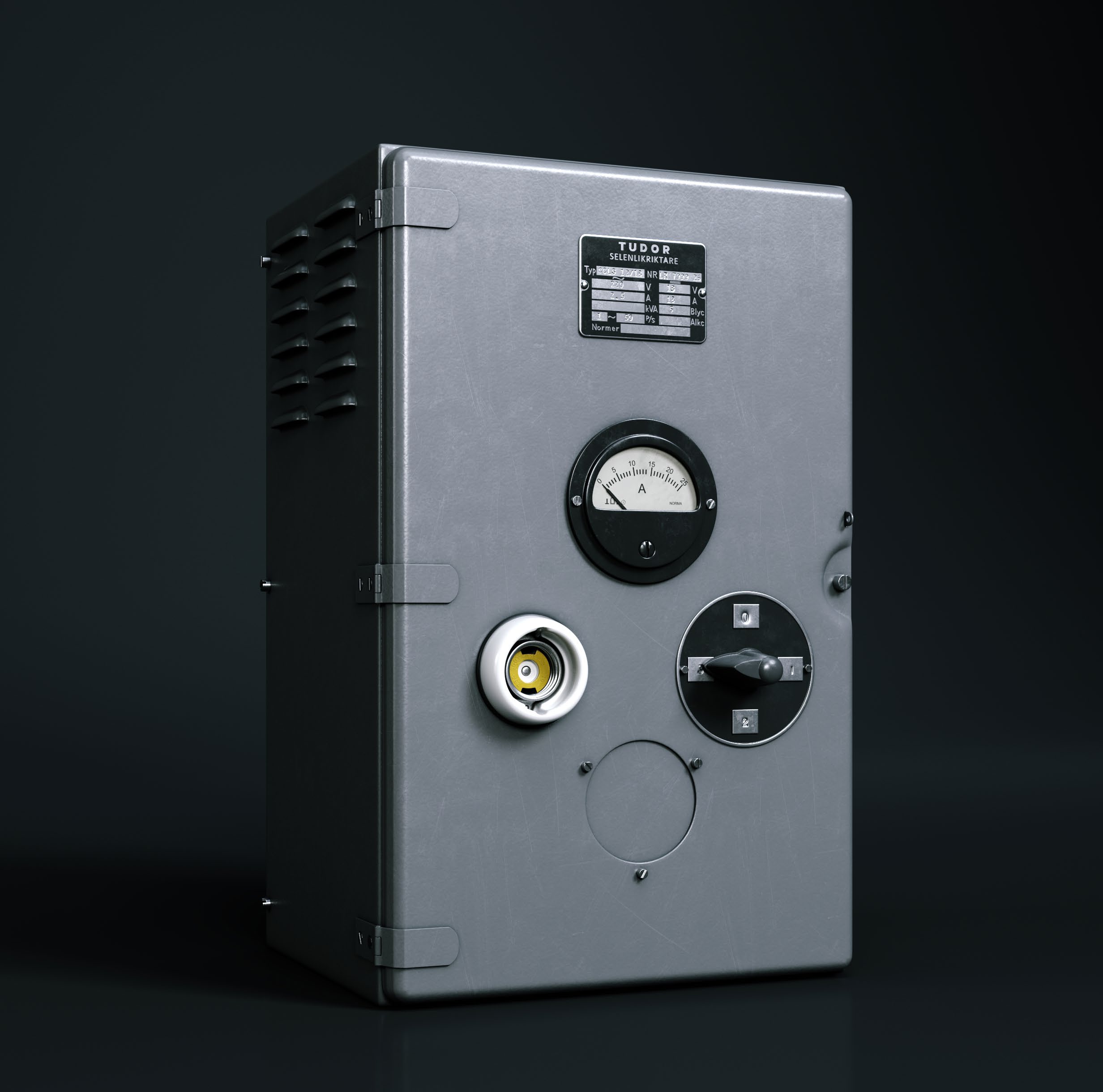
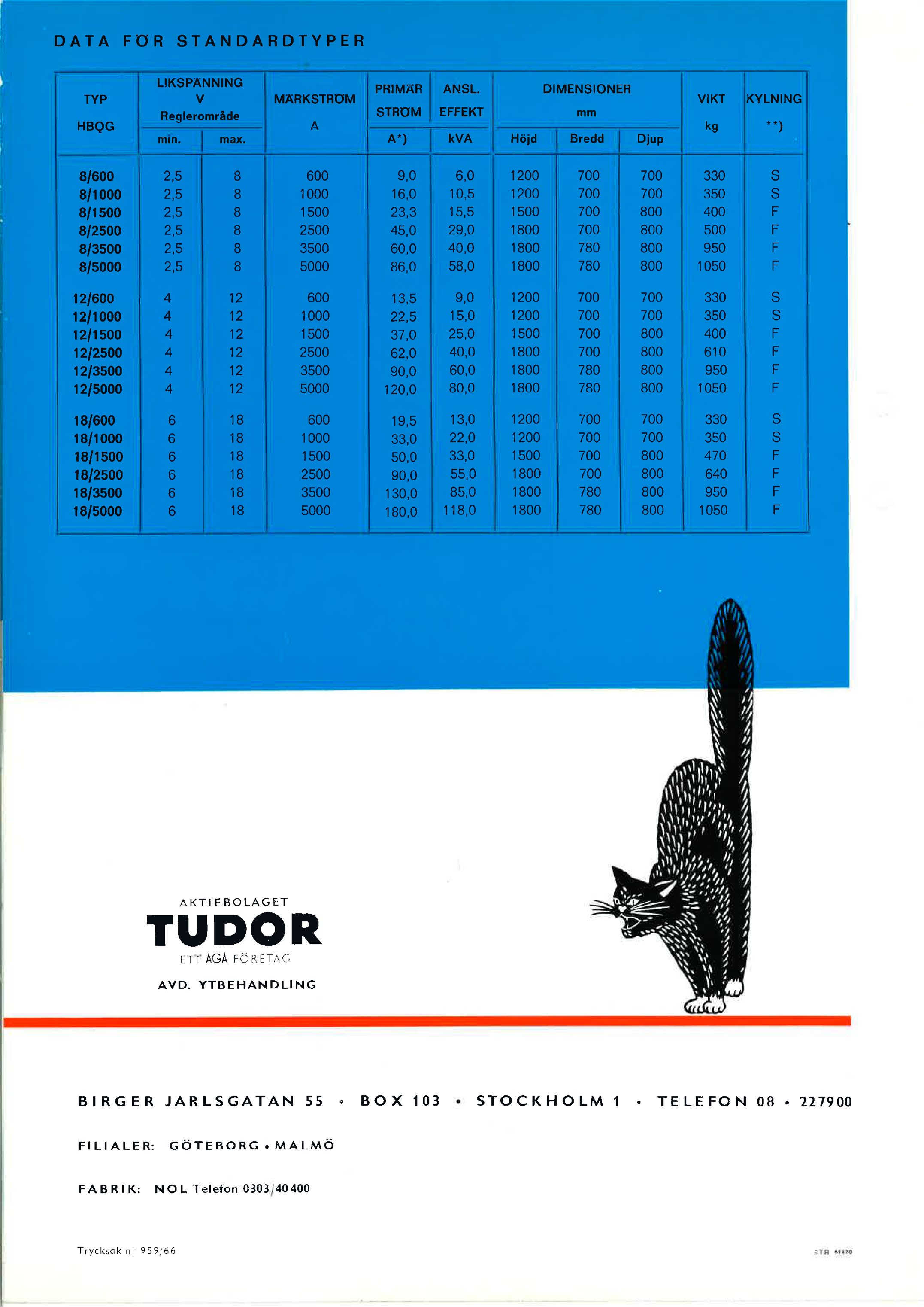
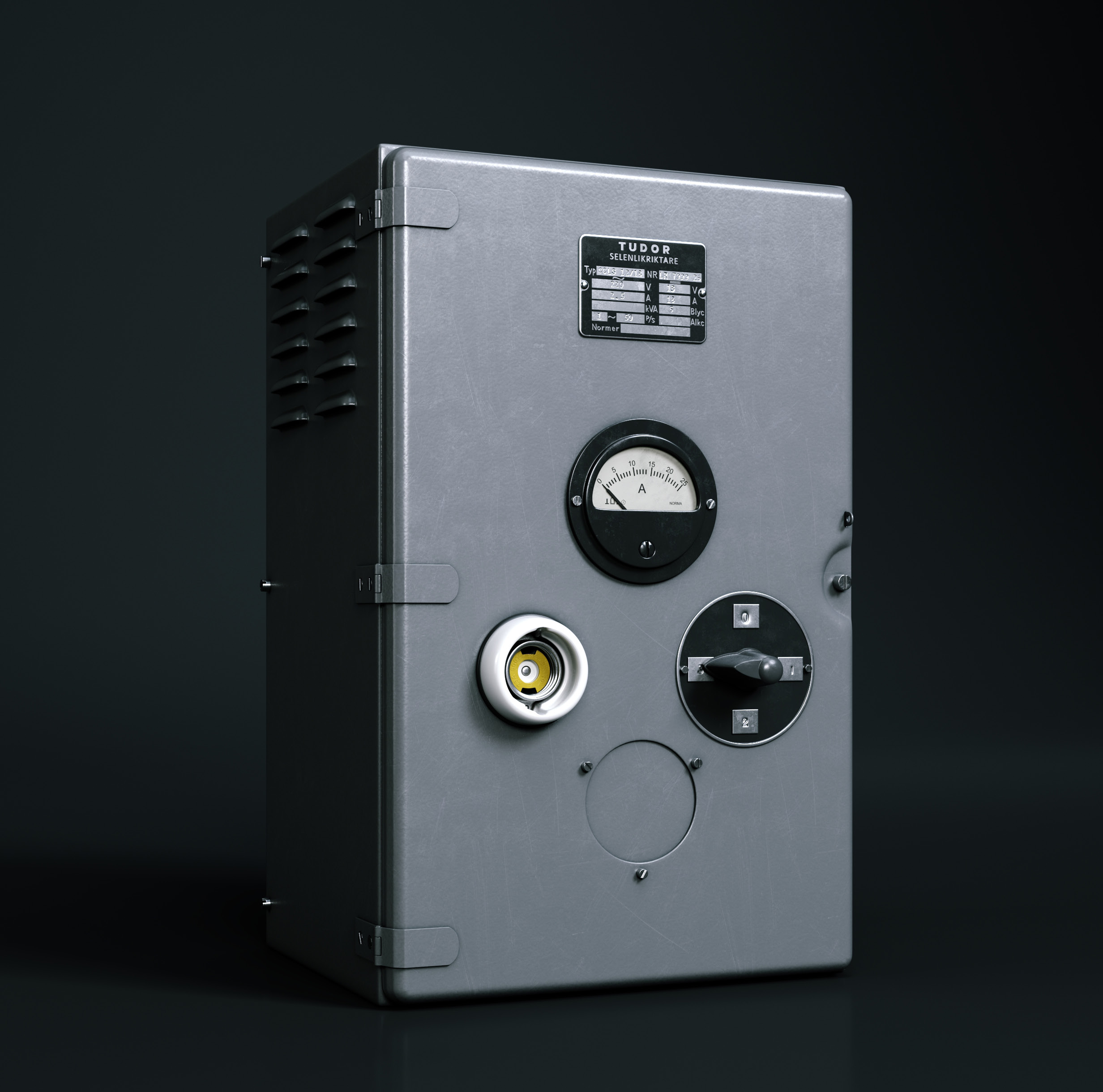
Tudor Batteriladdare CCLS 6-12/6
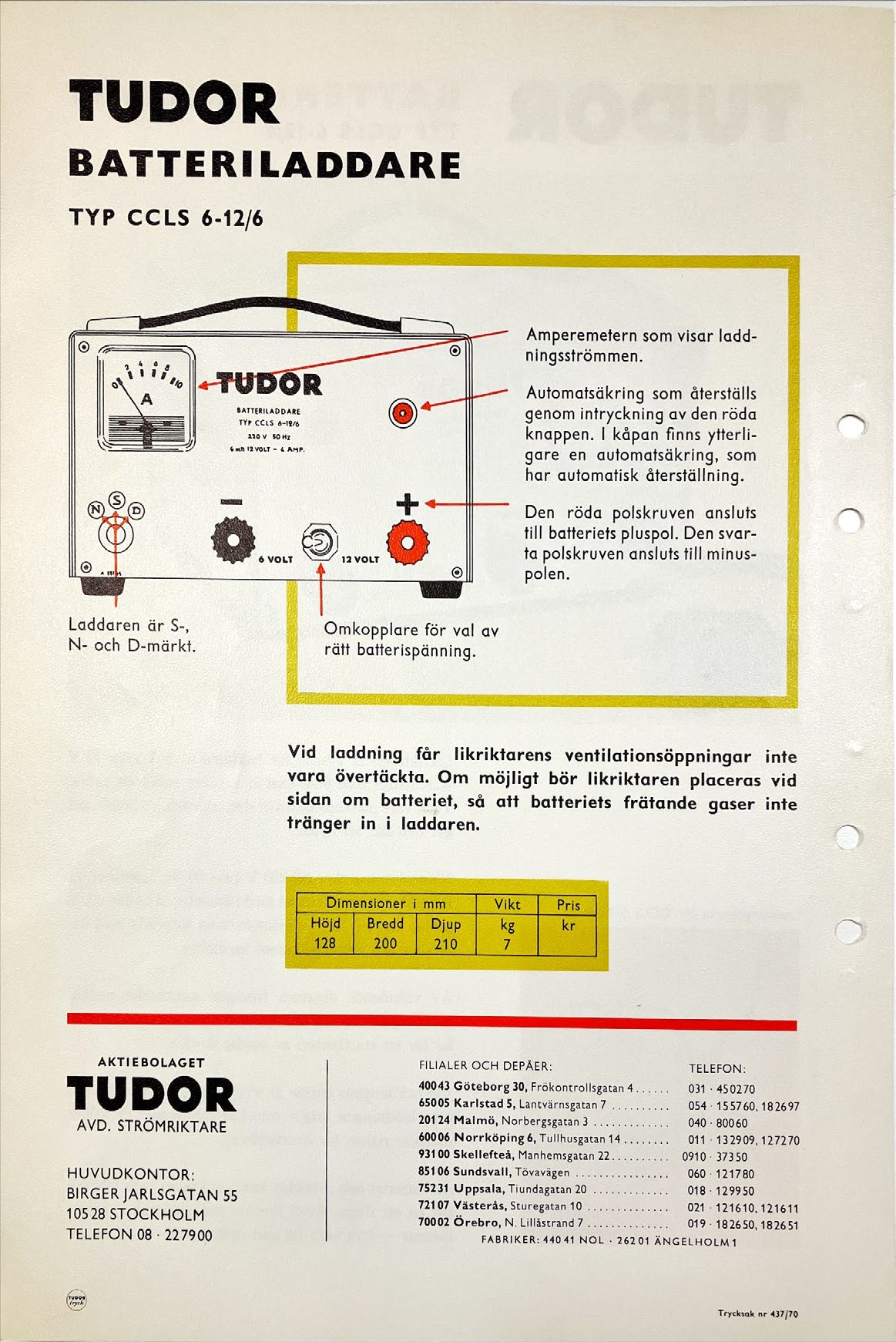
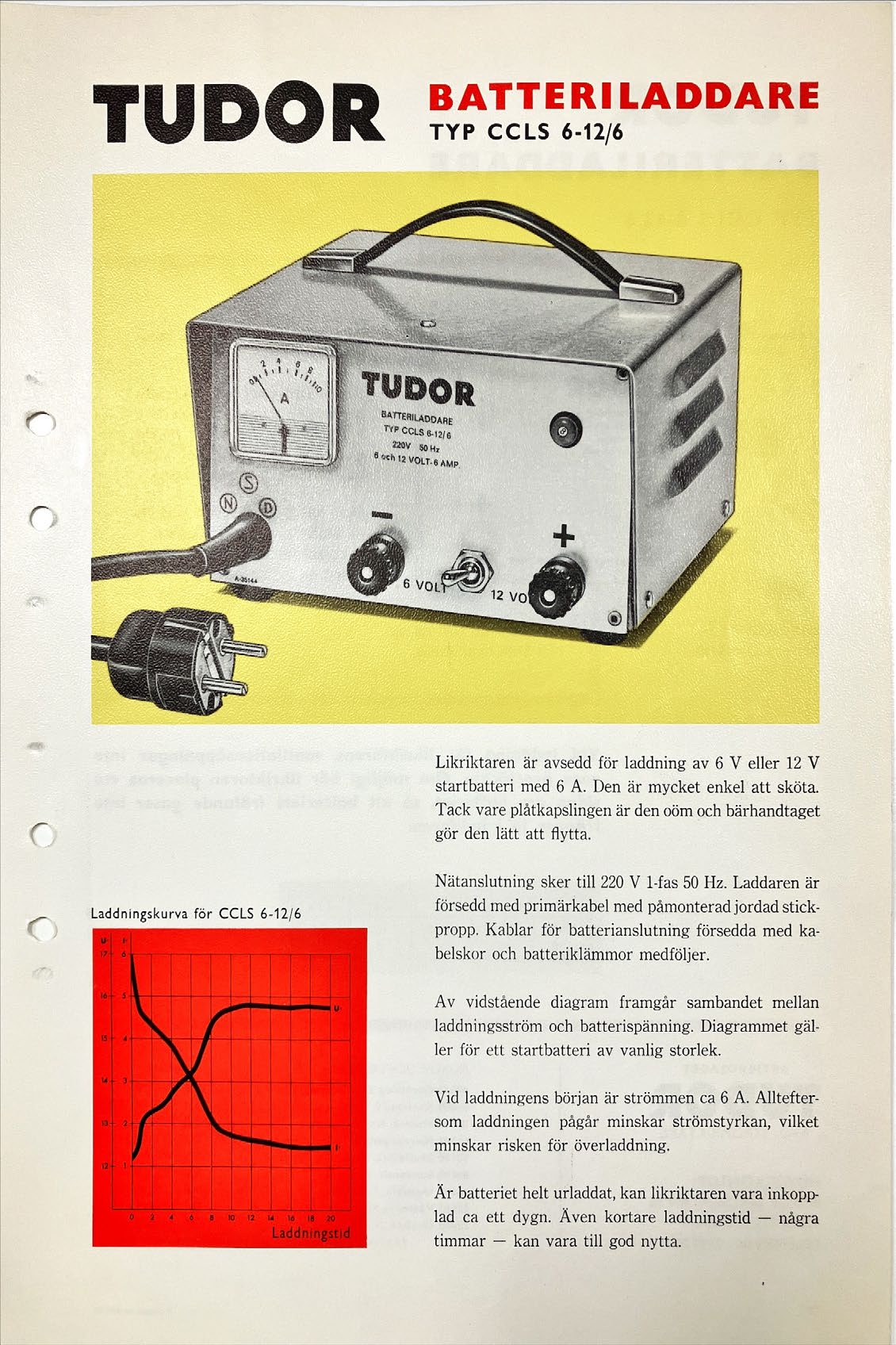
Promotional and technical brochures of Tudor AB describe the CCLS 6-12/6 in characteristic detail: an ammeter for the charging current; an automatic fuse that resets by pressing the red button; another automatic fuse inside the cover that resets by itself; a switch for selecting the correct battery voltage. Red terminal to the battery's positive, black to the negative. The charger is marked S-, N- and D-type.
"Batteries with 9 lives"
The black cat appears on Tudor's brand materials and ads along with the slogan "Batteries with 9 lives". AKTIEBOLAGET TUDOR — ETT AGA FÖRETAG · AVD. YTBEHANDLING · Birger Jarlsgatan 55, Stockholm · Fabrik Nol.
Transduktor Control AB
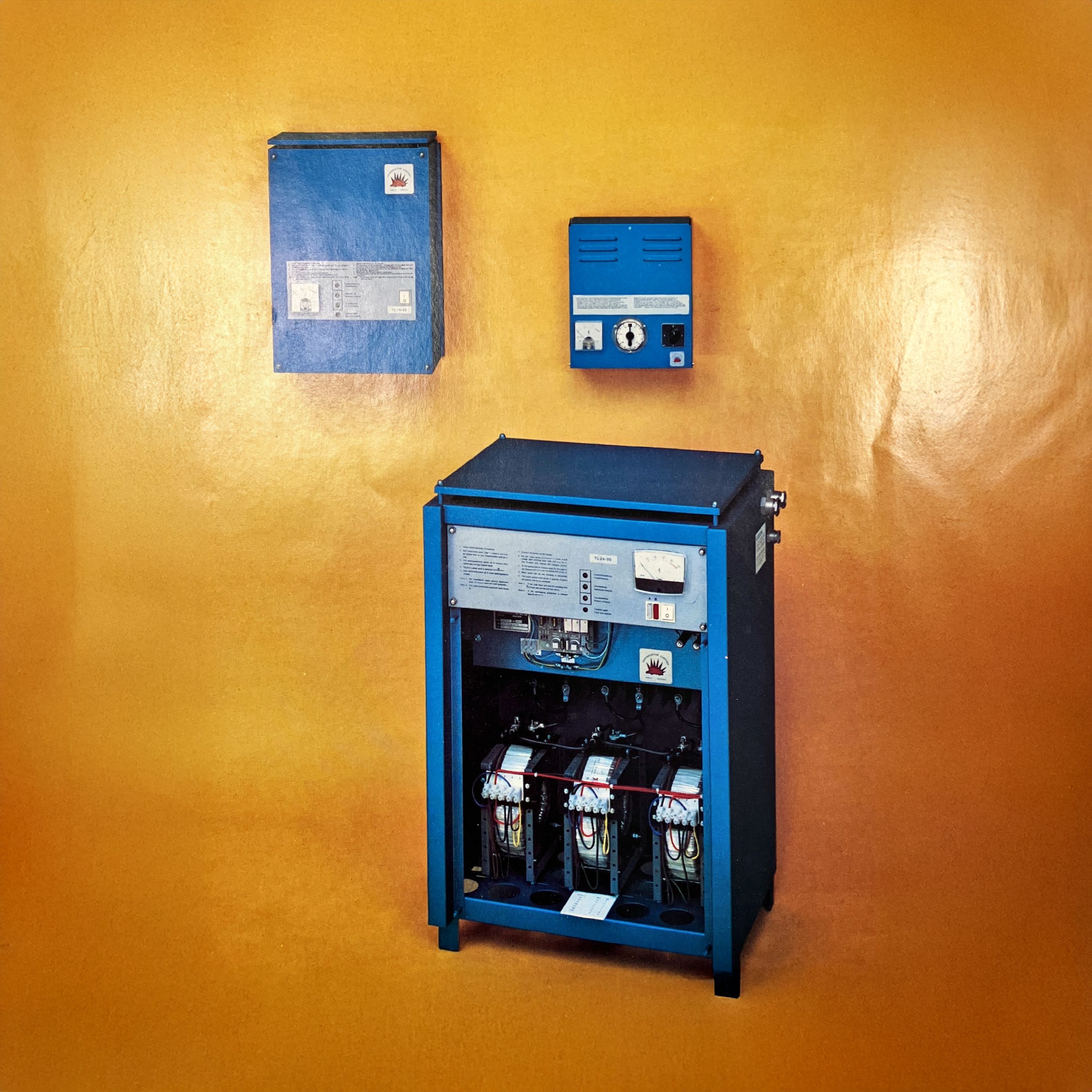
The UPS business is launched under the name Transduktor, which later joins Kraftelektronik. The origin is engineer Lennart Christoffersson in Växjö, who invents a way to produce commercially viable toroid transformers — an invention still marketed today.
Arendal cancelled. Kide departs.
AGA cancels an overambitious Arendal "mega-factory" project; manager Karlsen ("Kide") leaves the company. A pivot inward begins.
Kraftelektronik appears on paper
The rectifier division separates from Tudor, forming AGA Svetsprodukter, focusing on welding and power electronics. The name Kraftelektronik ABfirst appears in an AGA organizational plan — one of the earliest official mentions of Kraftelektronik as a separate entity.
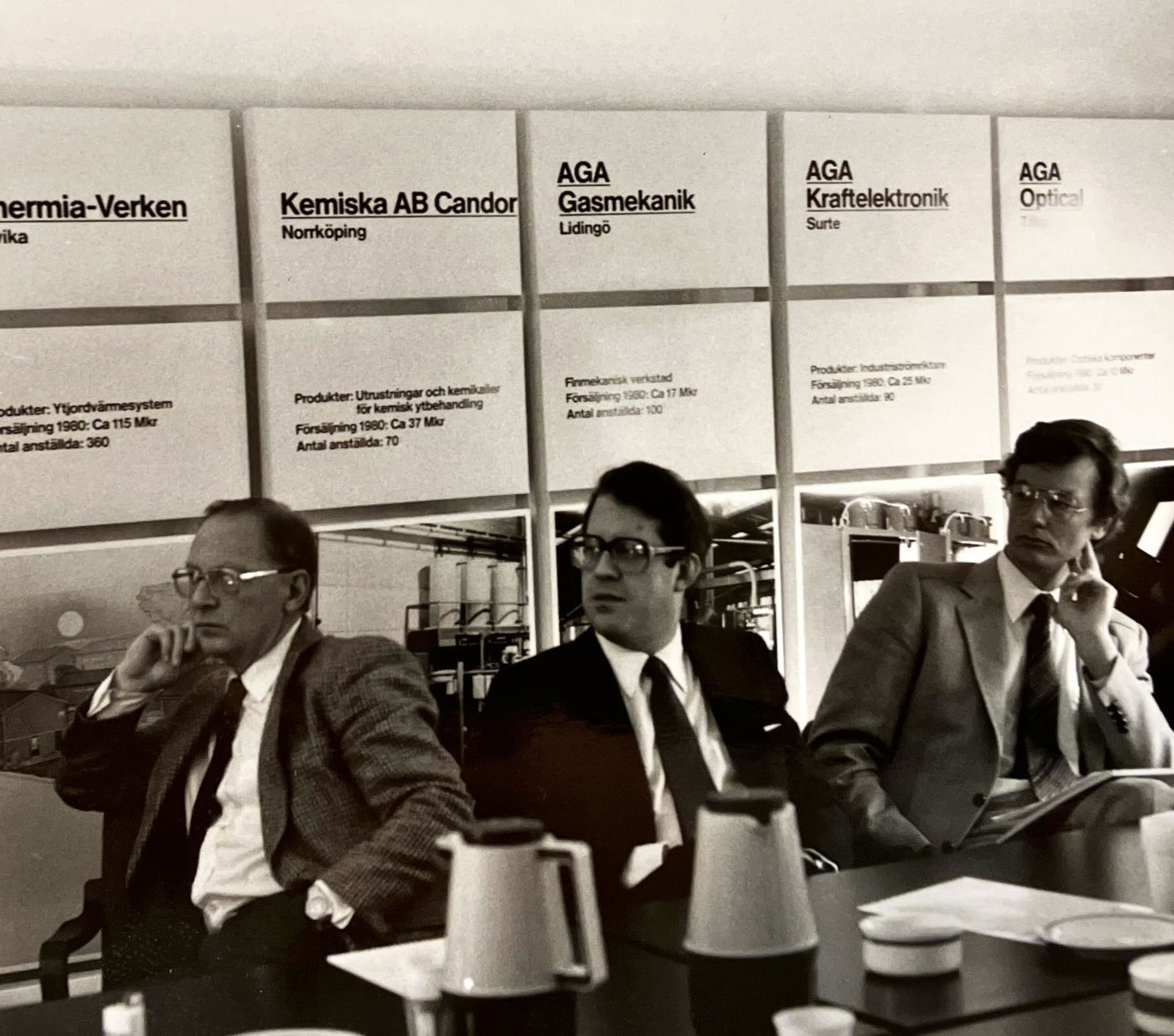
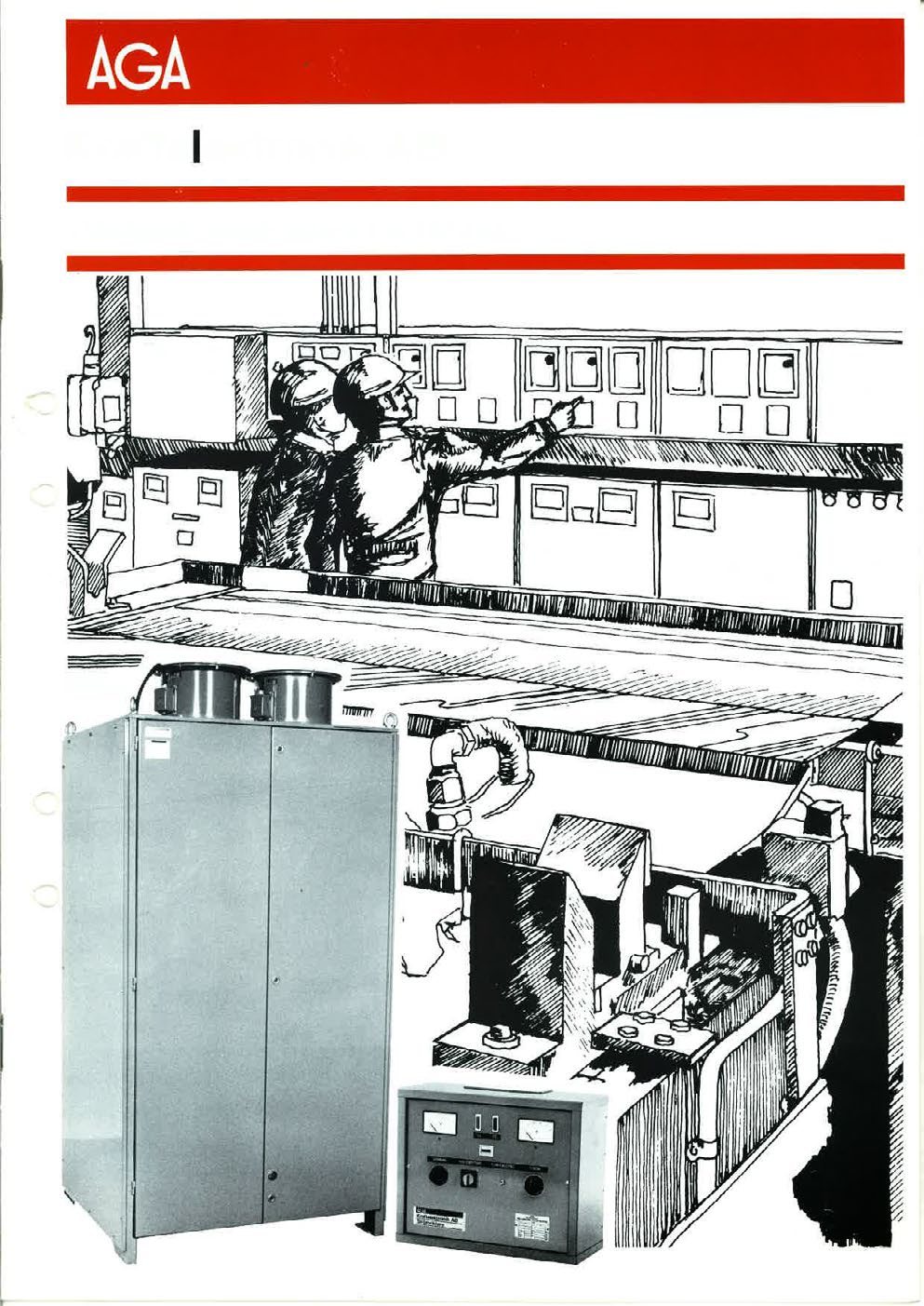
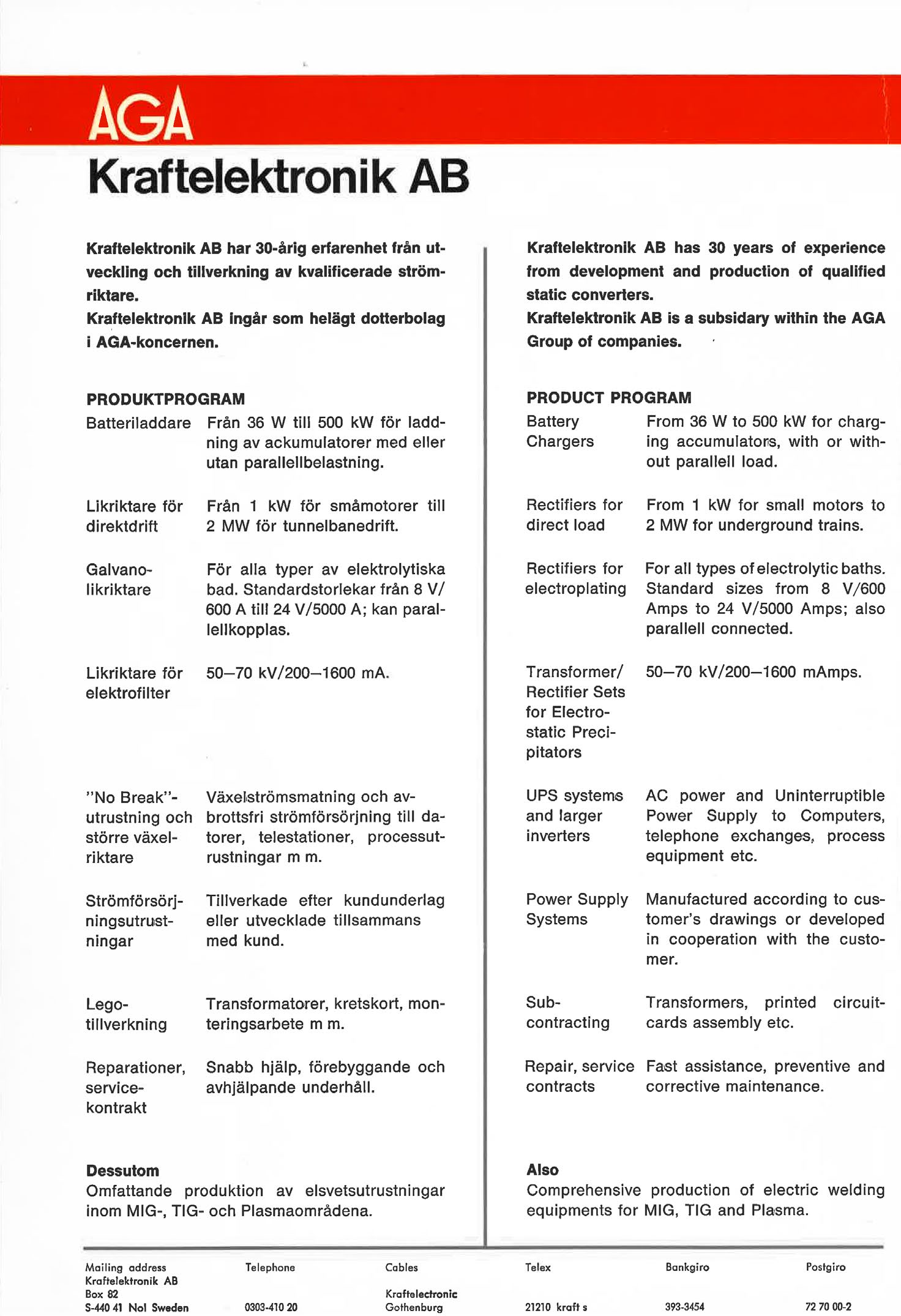
The AGA-Kraftelektronik product programme
Battery chargers from 36 W to 500 kW; rectifiers for direct load from 1 kW for small motors to 2 MW for underground trains; galvanic rectifiers from 8 V/600 A to 24 V/5000 A; rectifiers for electrostatic precipitators at 50–70 kV / 200–1600 mA; "No Break" equipment for computers, telephone exchanges and process equipment; custom power supplies; sub-contract transformers and assembly; service contracts.
And — comprehensive production of electric welding equipment for MIG, TIG and Plasma applications.
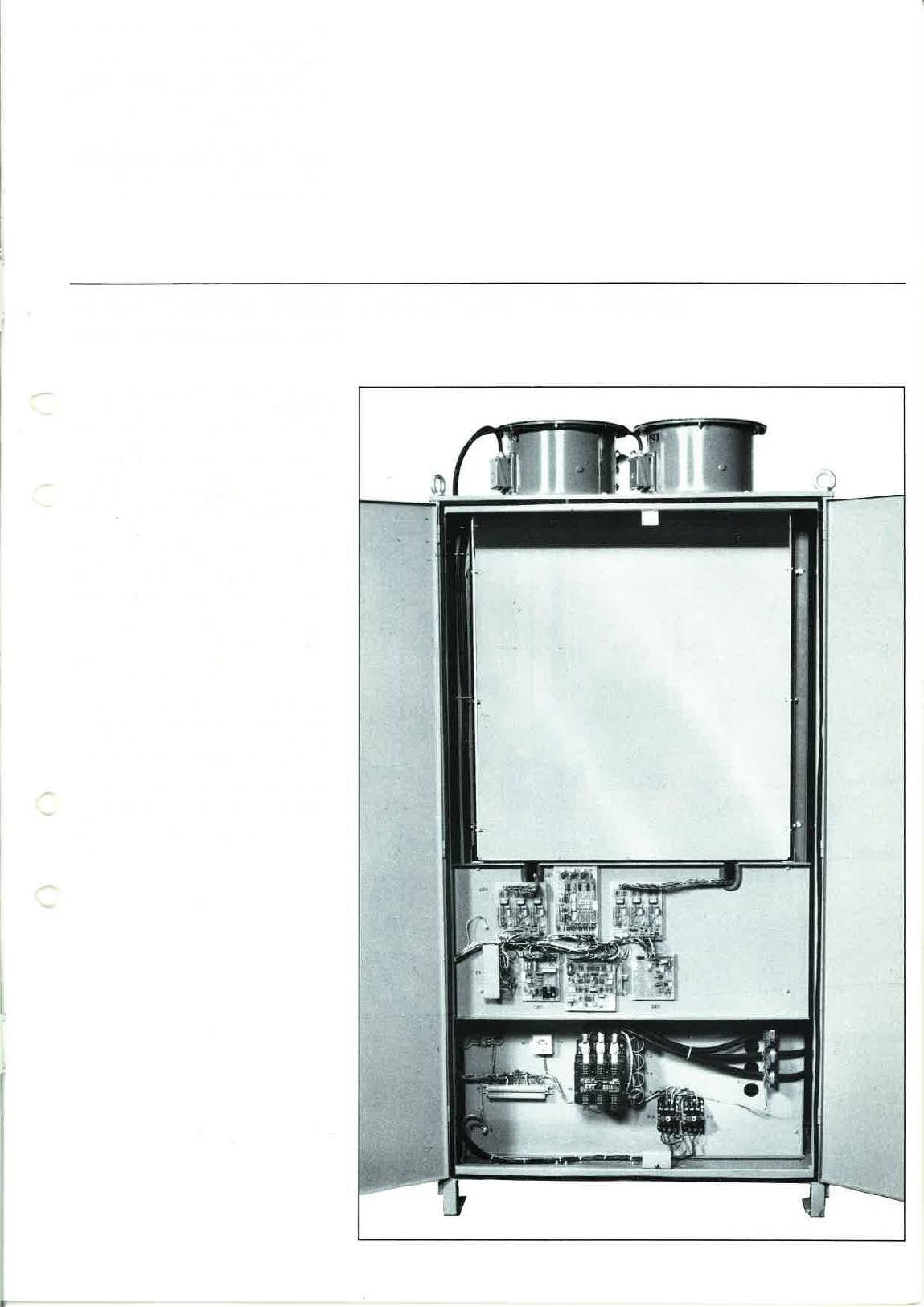
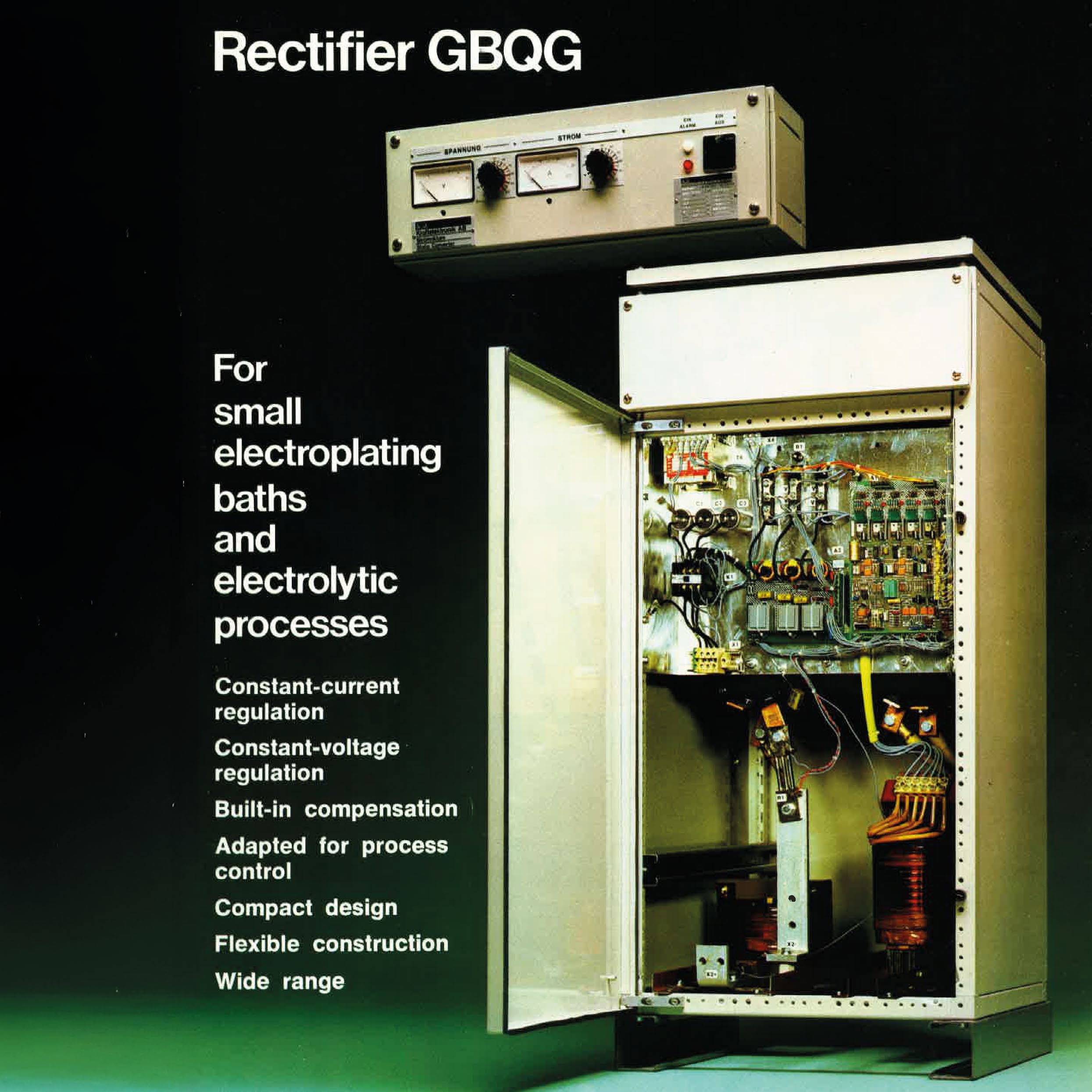
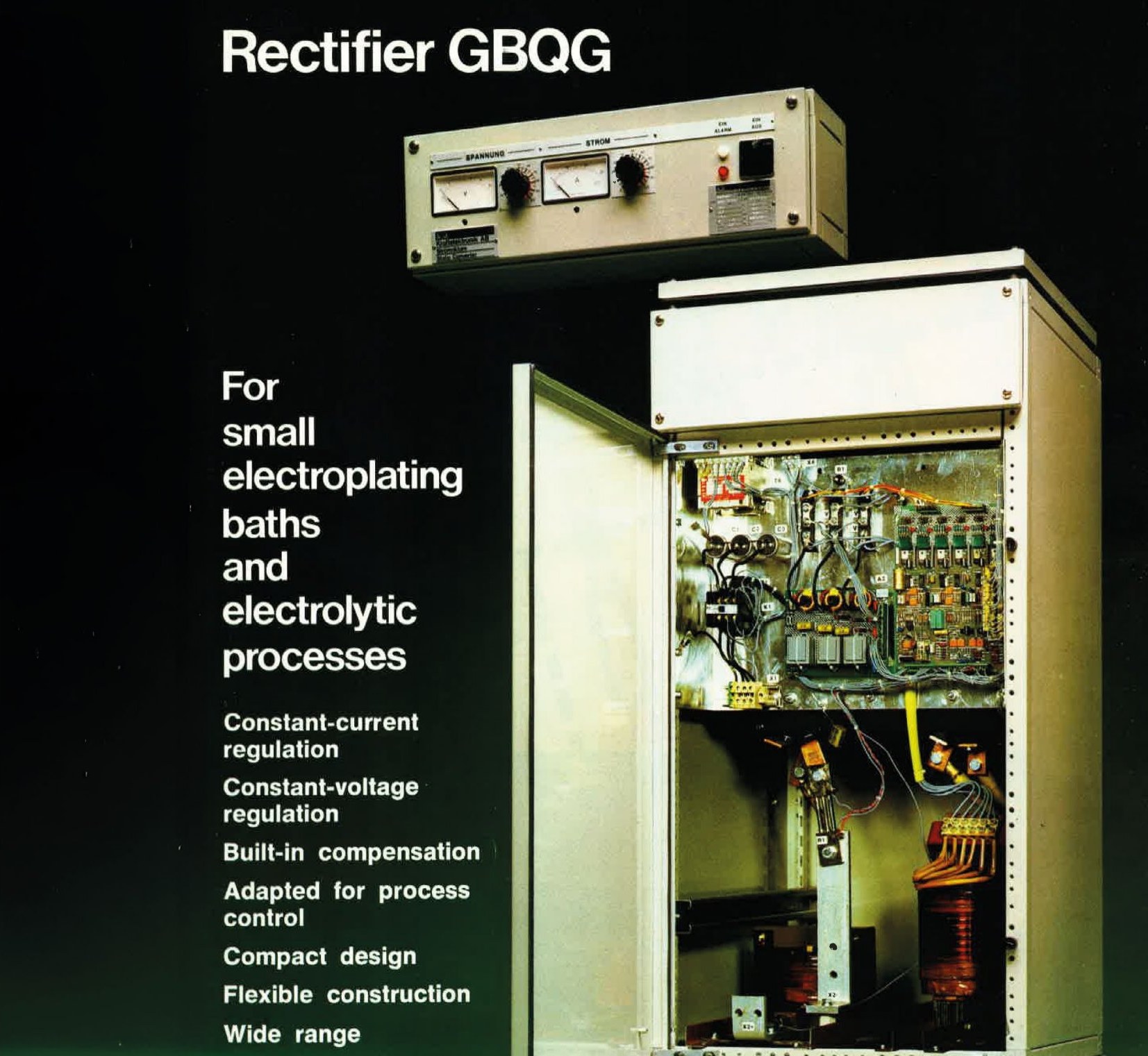
Rectifier GBQG — for electroplating
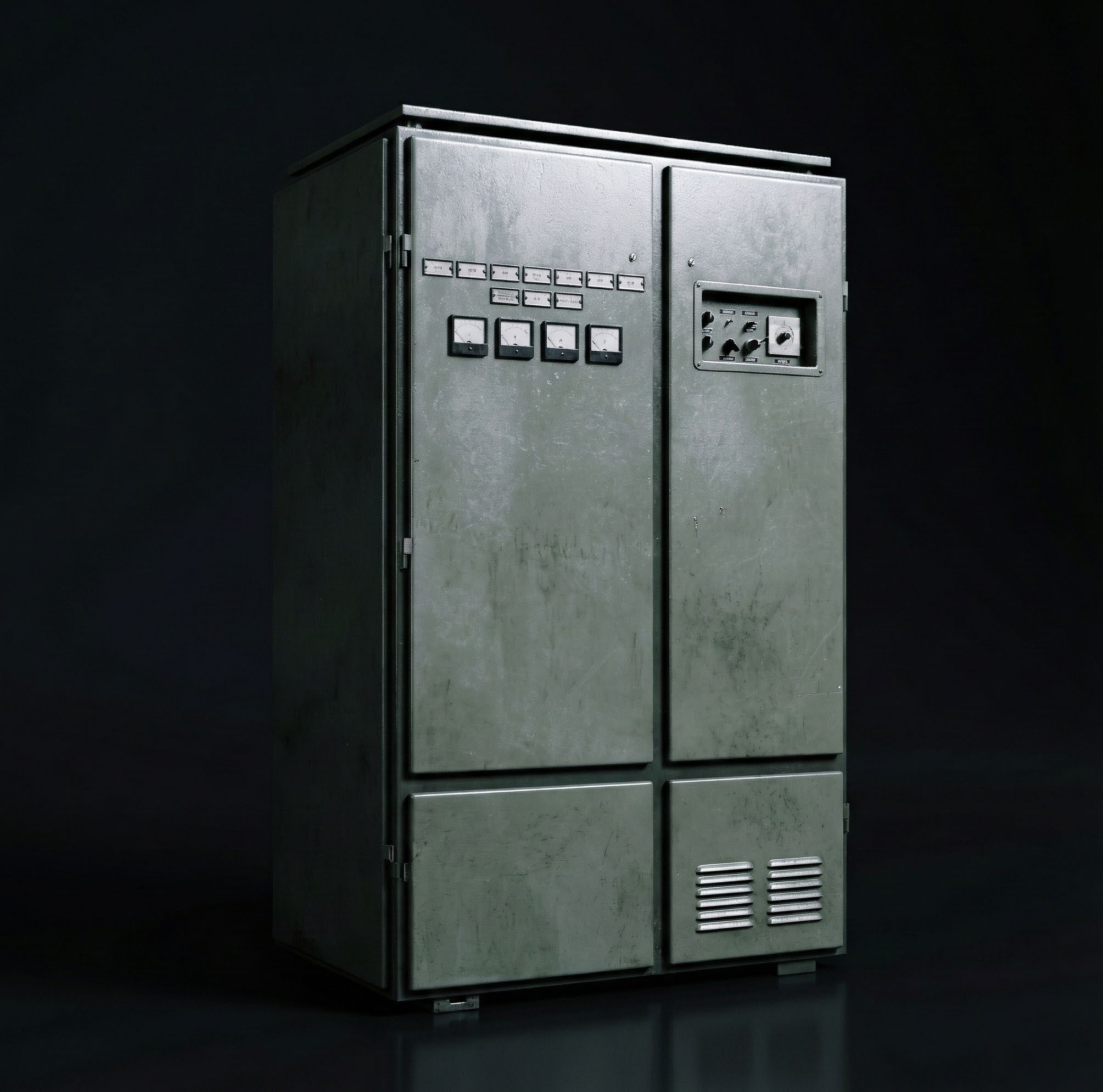
After the welding-rectifier project was cancelled, the business focused on: high-voltage rectifiers for electrostatic precipitators; high-current rectifiers for various electrochemical applications; rectifiers adapted for the power supply of passenger coaches (trains); and battery chargers, handled entirely by the Växjö branch.
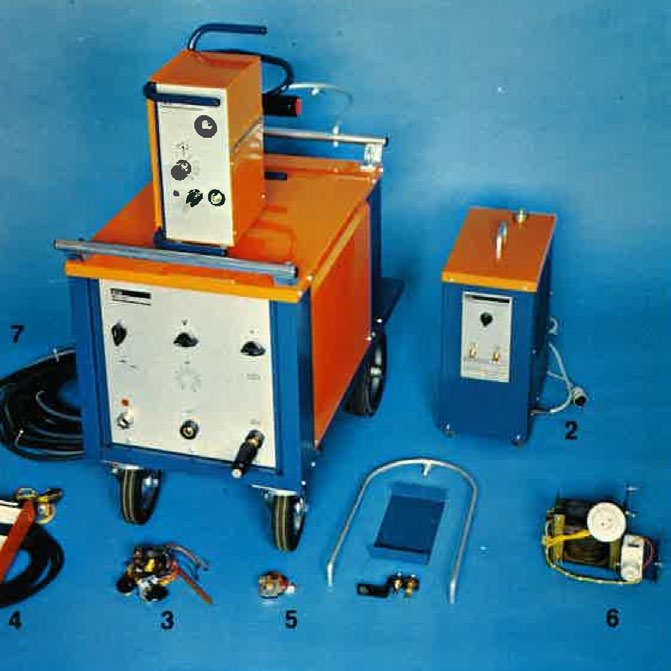
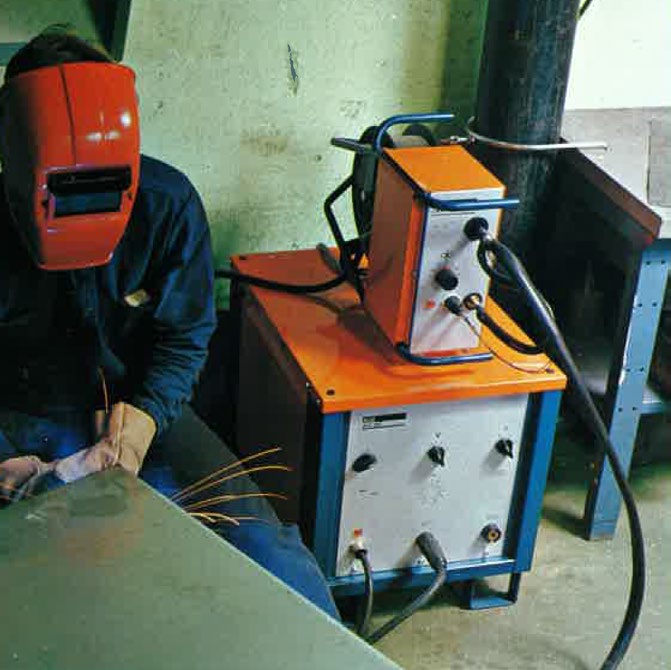
AGA MIG 300 · R300 · universal rectifiers
Brochures of the period introduce the AGA MIG 300welding system — high performance, flexibility, and economic benefits for welding steel and aluminium at continuous or low current. The AGA R300 follows as a modern welding rectifier suitable for both light and heavy-duty operations, emphasising stability, safety and customisation.
AGA's universal rectifiers — robust, mobile or stationary — are built for demanding industrial applications: shipyards, motor testing, process equipment.
Power for hydrogen, oxygen and electrochemistry
AGA-Kraftelektronik produces power supply systems for hydrogen and oxygen plants — a quiet beginning of an electrochemical lineage that, fifty years on, runs straight through to the megawatt-scale green-hydrogen converters of today.
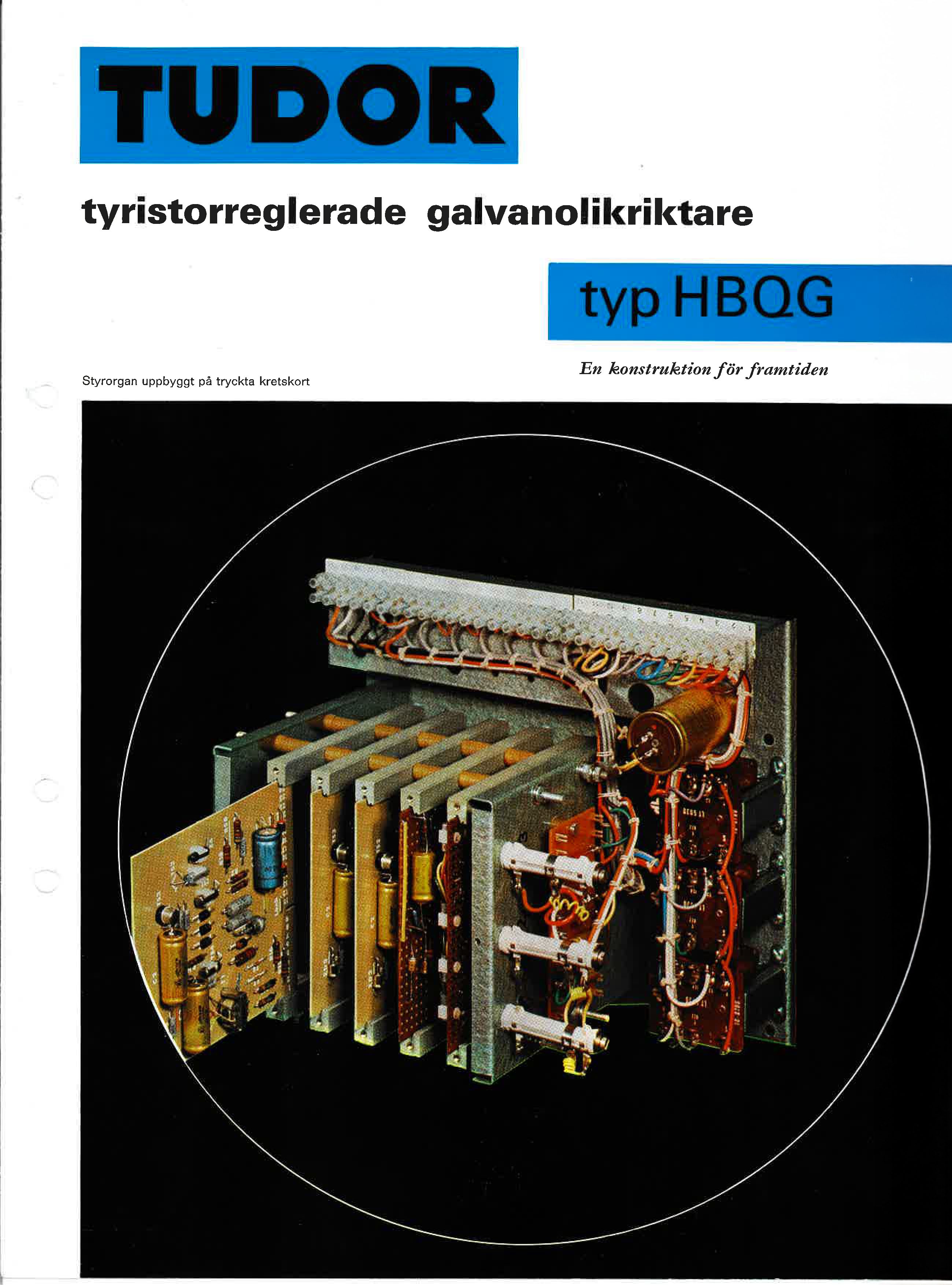
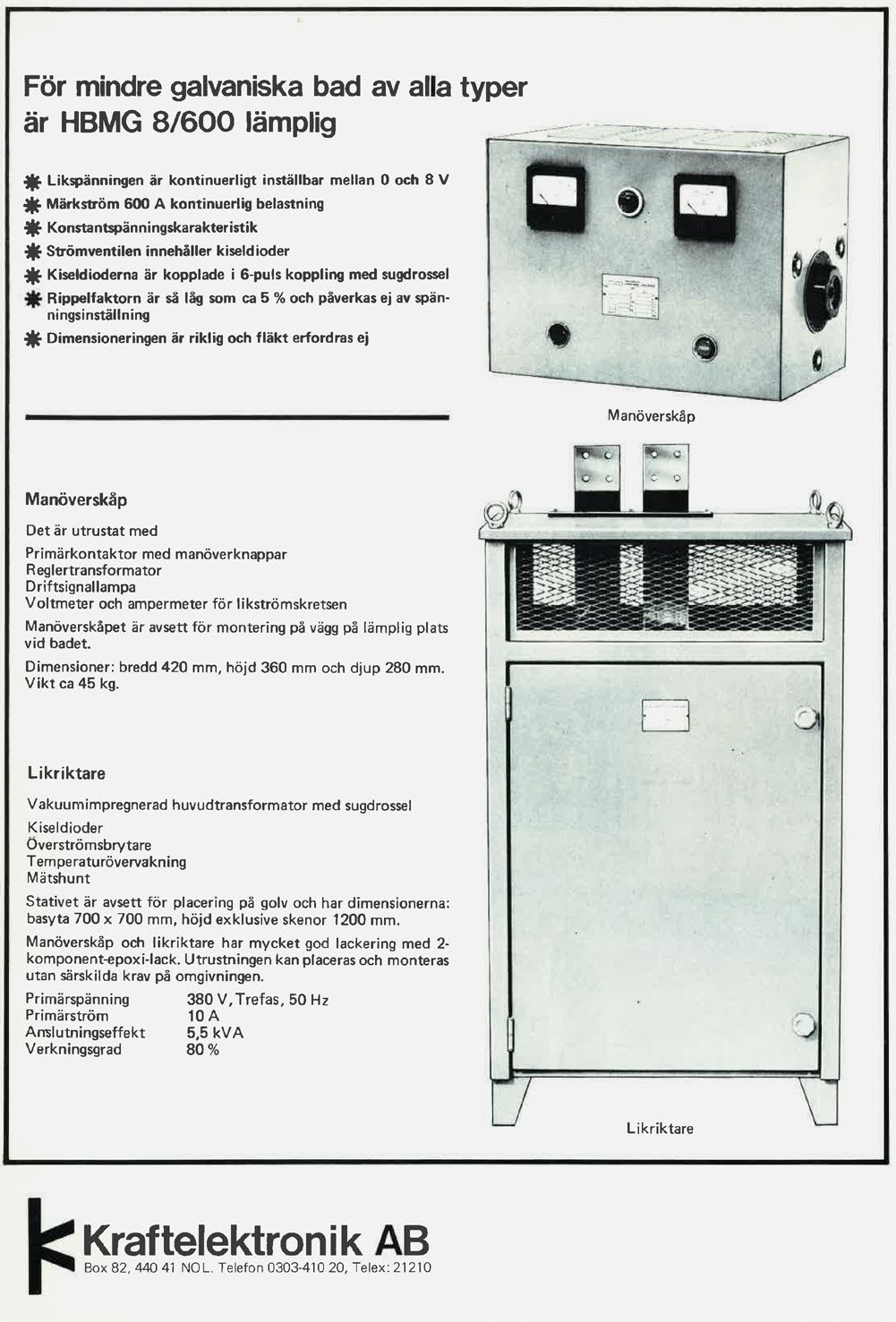
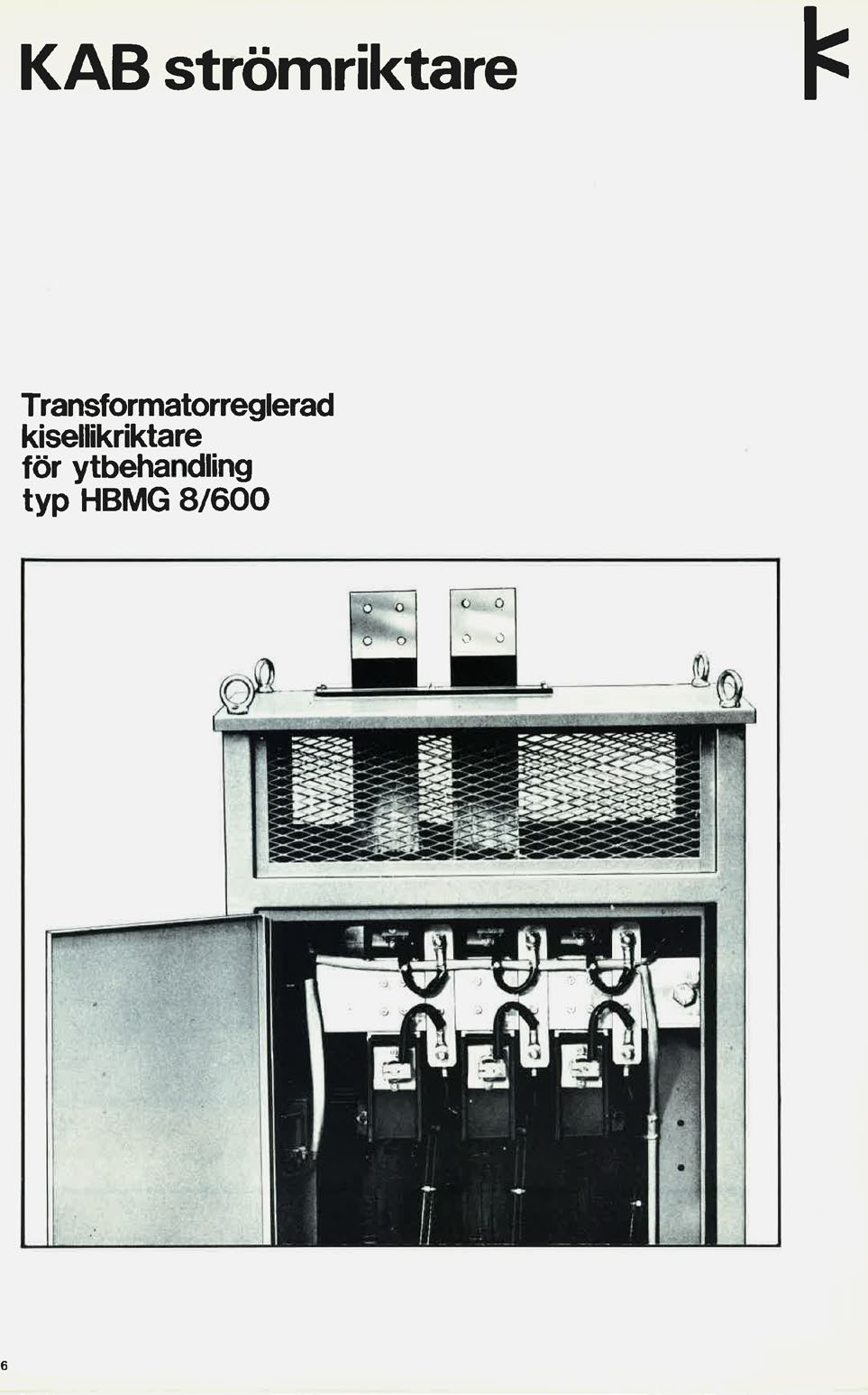
KAB strömriktare HBMG 8/600
The transformer-regulated silicon rectifier HBMG 8/600 is designed for smaller galvanic baths of all types. DC voltage continuously adjustable 0–8 V; rated current 600 A continuous; constant-voltage characteristic; 6-pulse connection with smoothing choke; ripple as low as ~5 % and unaffected by voltage setting. Dimensioned generously — no fan required.
Chargers for submarines & rescue vessels
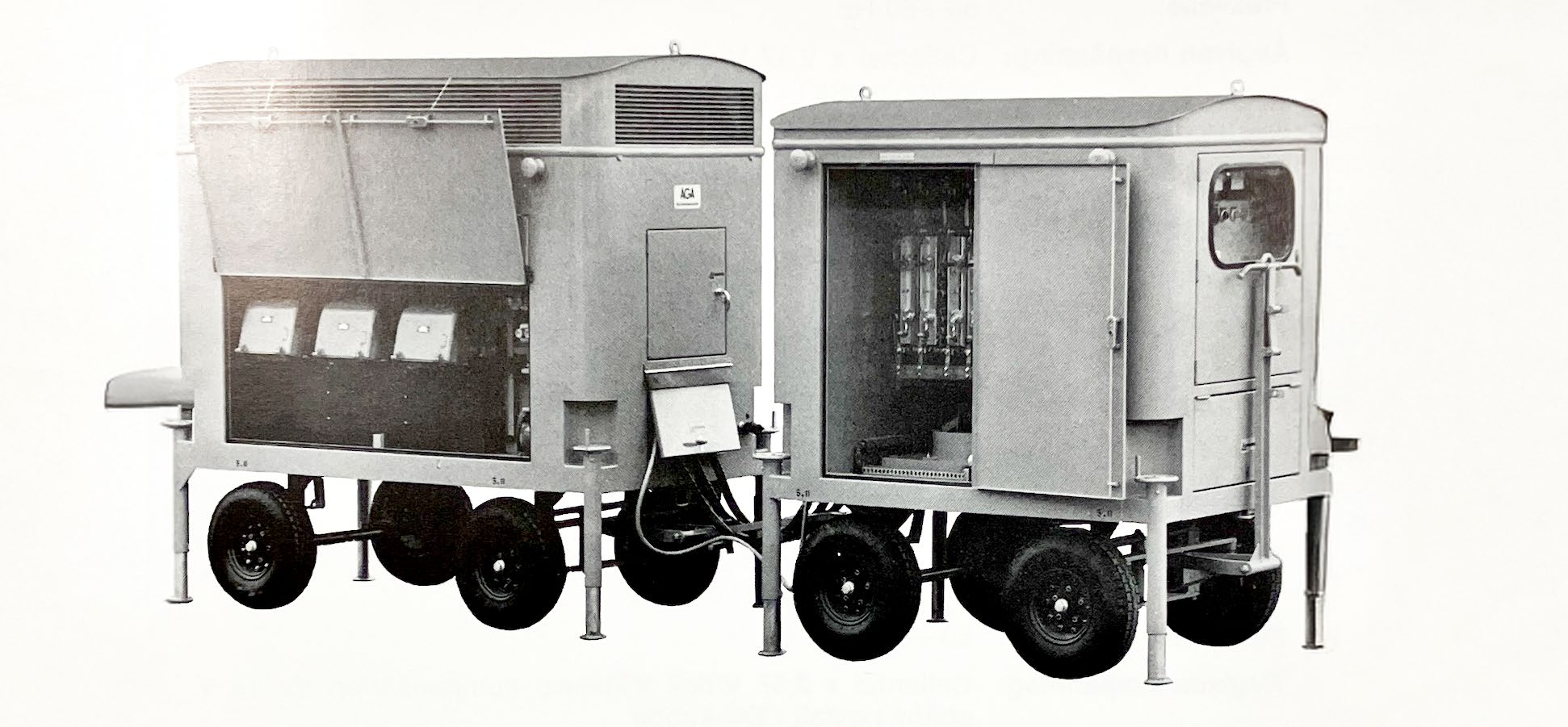
Charging rectifiers are developed for submarines and rescue vessels: a stationary model for use near depot vessels or at the pier, and a mobile model with pneumatic rubber wheels for rapid deployment at the dock and retrieval into shelter — towing speed 20 km/h.
The transformer can be switched for three alternative supply voltages (e.g. 0.4, 6 or 10 kV), allowing the charger to be used beyond its home base. Switching on the secondary side adapts the unit to 120, 124 or 168 lead-acid cells. Construction is exceptionally robust, with corrosion-resistant surface treatment for harsh atmospheres.
Kraftelektronik AB, again
After a welding-line spin-off, the name reverts officially to Kraftelektronik AB. The entity carries its own logotype for a few years before adopting the simpler mark "KRAFT".
Fire, Surte & the World
Fire at Nol
A major fire on 7 March destroys the Nol facility, halting production for eight weeks. Despite this, the team exceeds the previous year's billing.
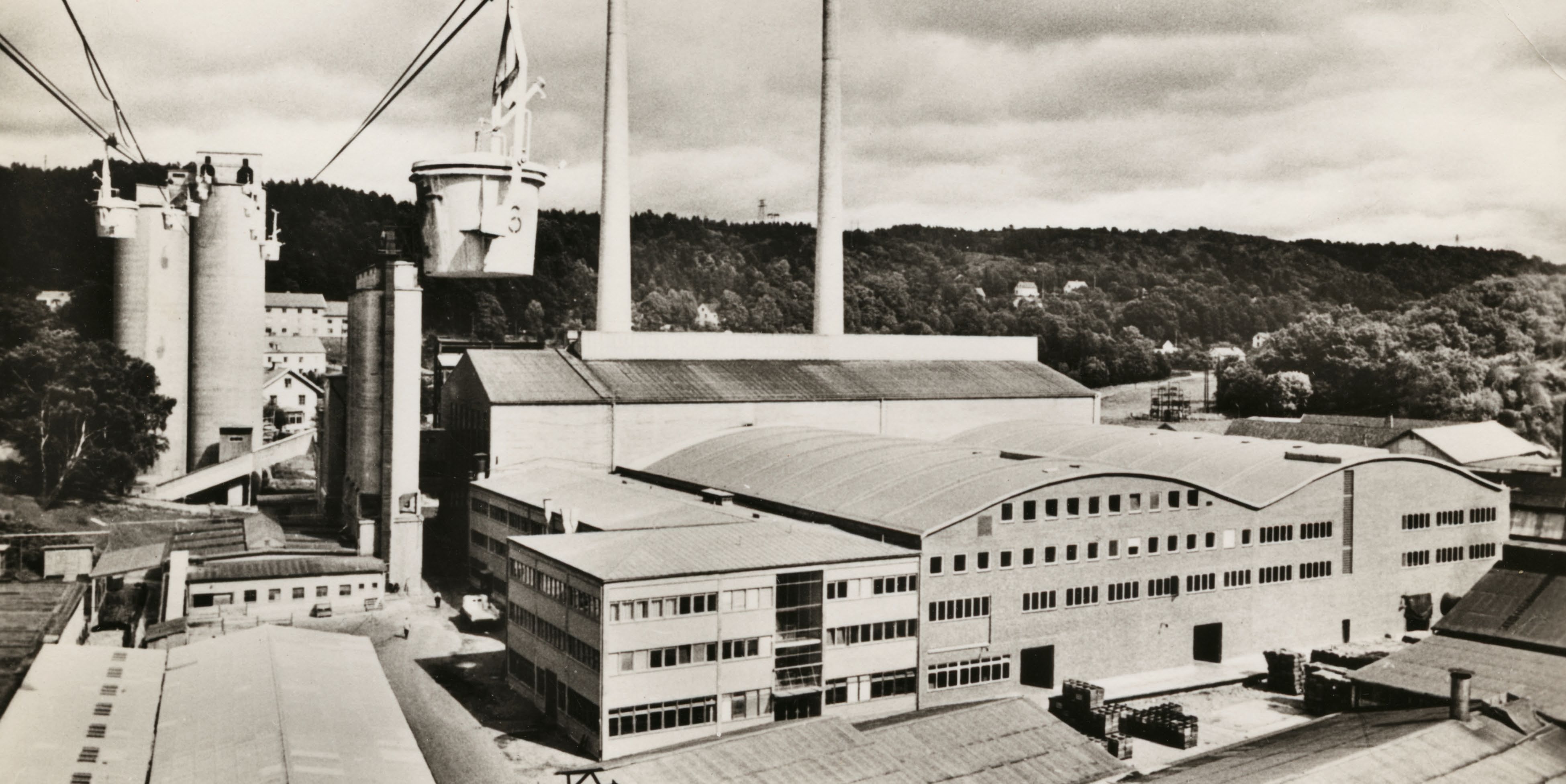
The move to Surte
To support the village of Surte with replacement industries after the closure of the Surte glass factory (Surte Glasbruk, closed 1978), the municipality prepares brand-new facilities nearby. Kraftelektronik AB moves into one of them — commonly cited simply as the "1980 move to Surte."
A new logotype, a new facility
A new logotype — KRAFT Elektronik AB · Sweden — is registered. Employees move into the test and production areas of the new facility. The same production area is still in use today.
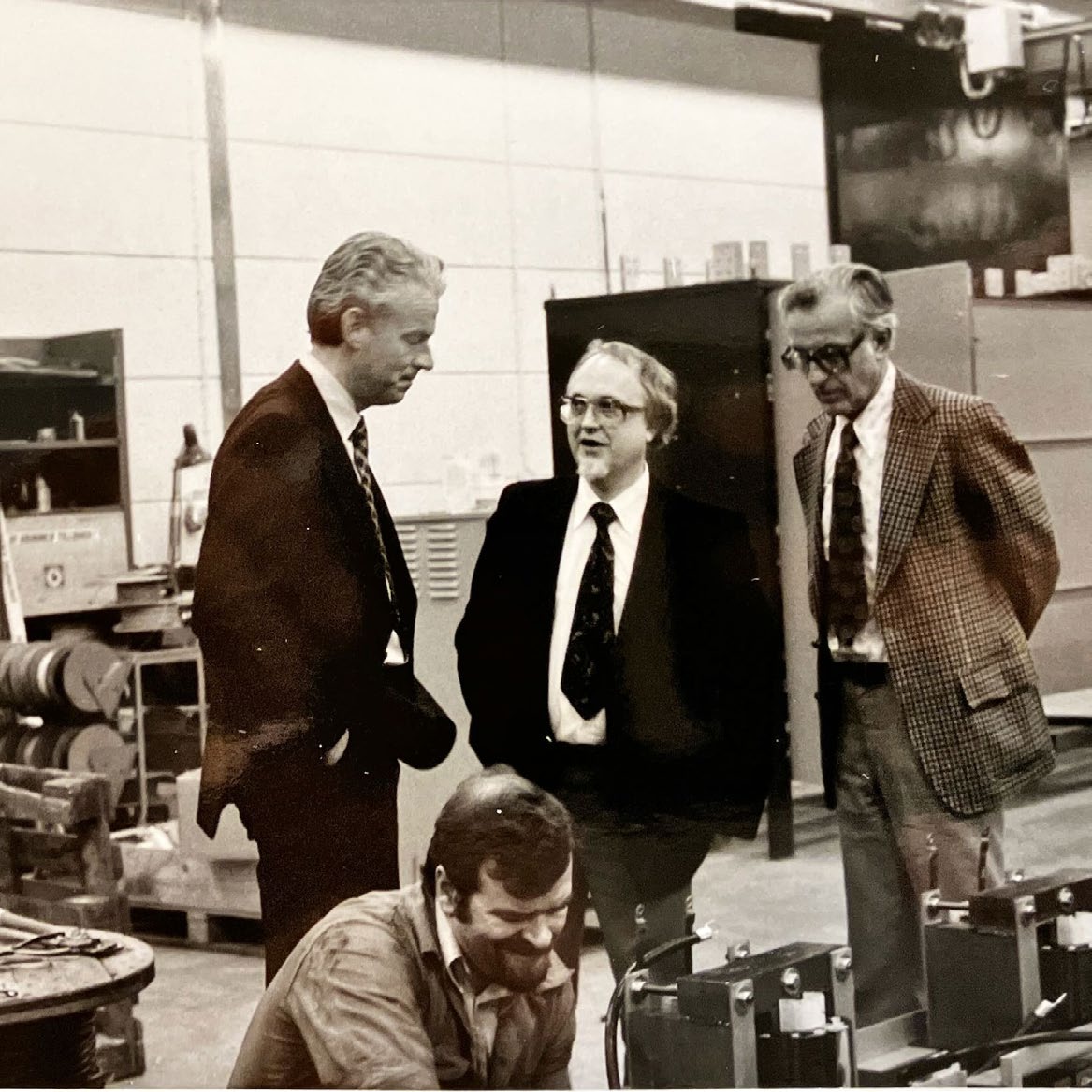
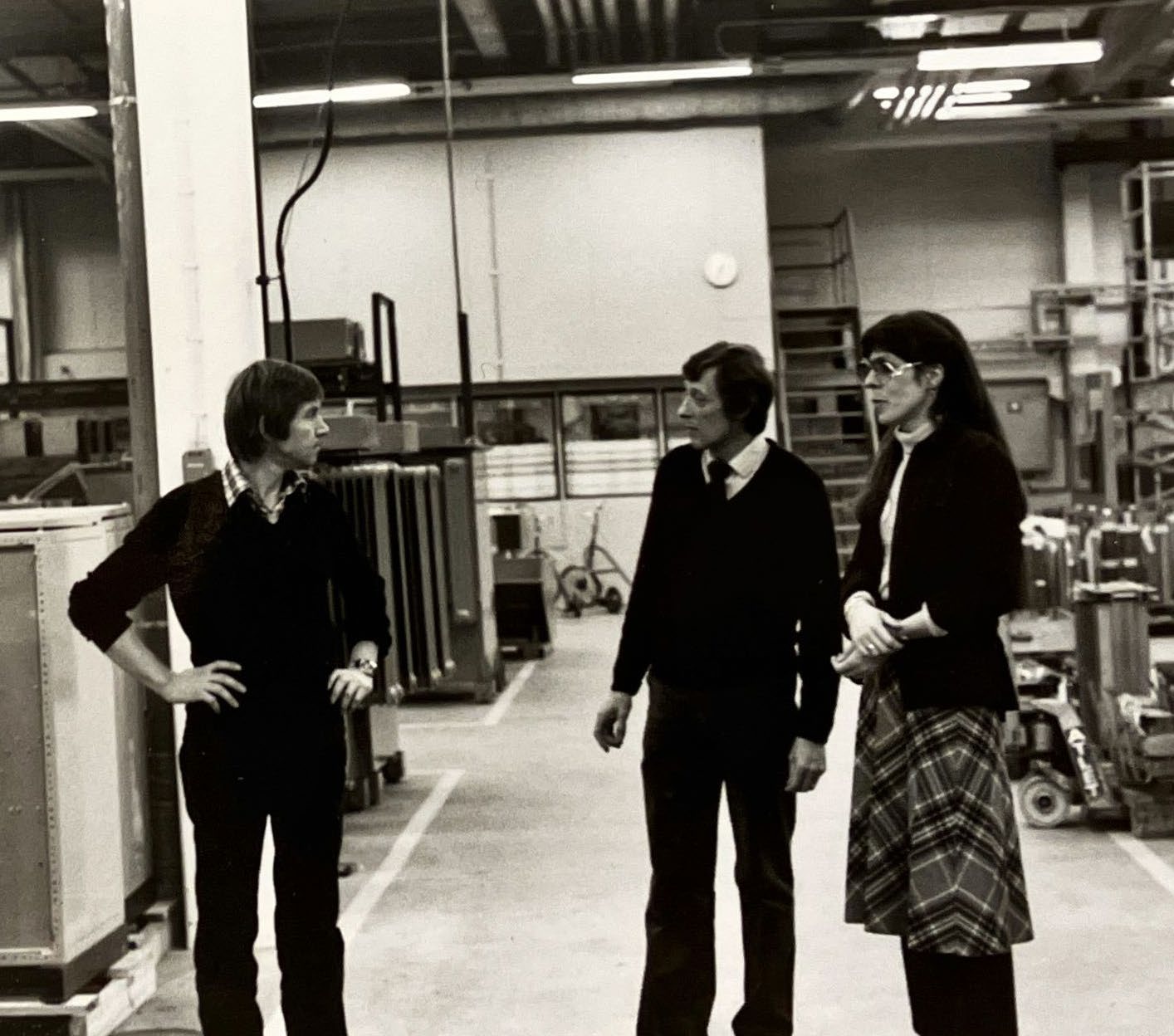
Power for rail vehicles
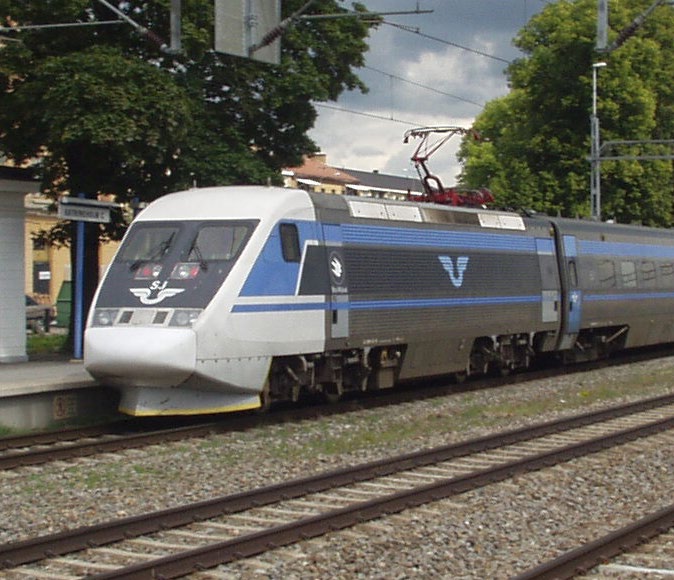
Trains, subways and trams depend on a reliable power supply for essential operations and for auxiliary systems such as lighting, heating and ventilation. KRAFT has been manufacturing rectifiers for rail vehicles since the 1950s, and now offers a comprehensive product line: battery chargers, DC-DC converters, inverters, heating units, frequency converters.
Battery Charger 32 V / 200 A — used in the high-speed train X2 and in sleeping cars WL4, WL5 and WL6. Heating Control System for separate control of six heating elements — same trains and sleeping cars. Frequency converters at 16⅔ Hz / 50 Hz: a 4 kVA unit in the DM3 locomotive, a 20 kVA unit in R2/RG service cars and WL6 sleeping cars. DC converter, 24 V battery to 48 V DC 50 A — for control systems, train radio and auxiliary power in regional trains such as X12.
AIR-KRAFT GPU — Lindblom Green
The AIR-KRAFT GPU — a Ground Power Unit for 28 V DC systems — is developed for the Swedish Civil Aviation Administration. One peculiarly specific detail: the colour had to be "Lindblom green" (lime blossom). The company had high hopes for the product, but only three complete systems were sold in total.
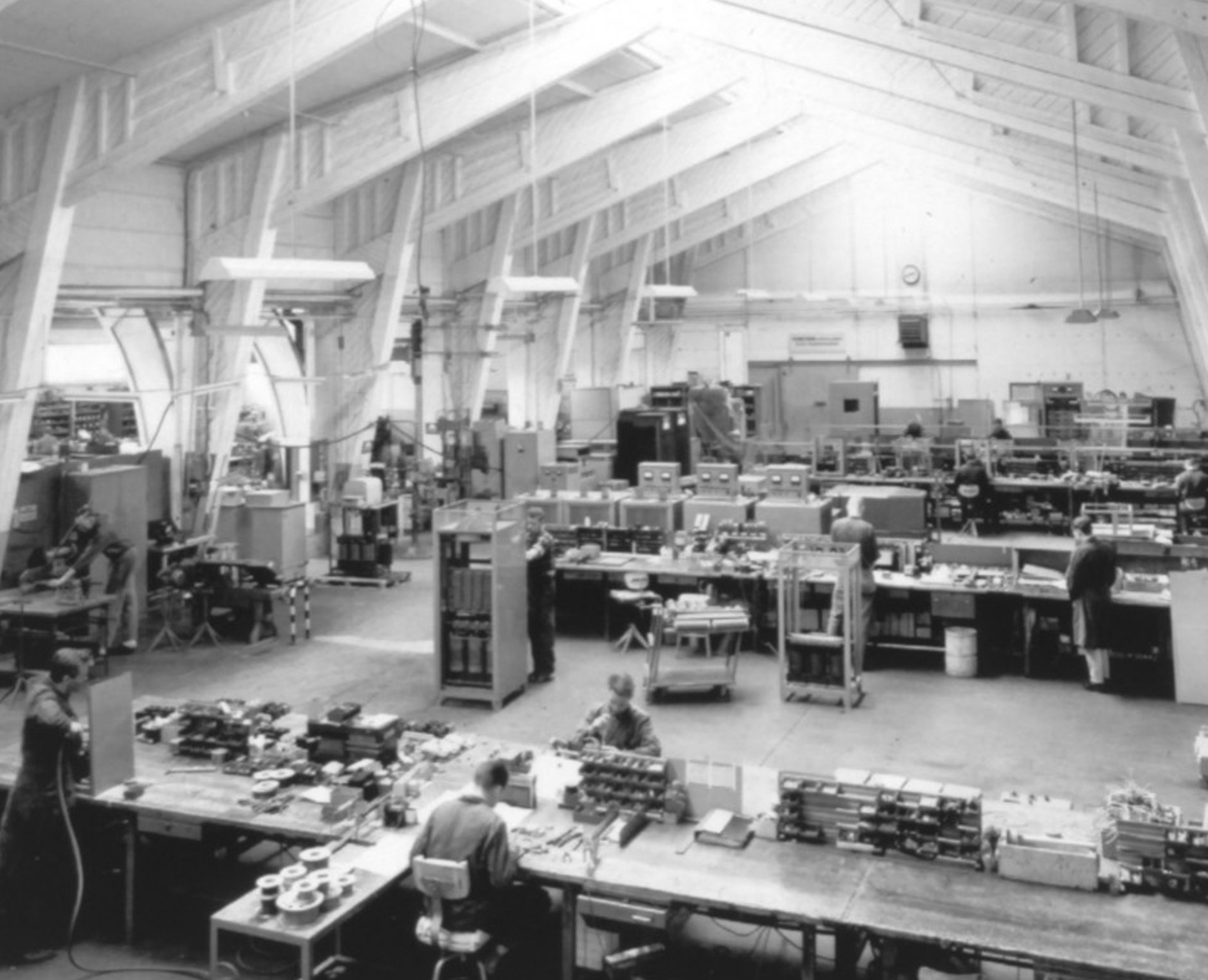
Thyristors, transformers and the long lead time
The prevailing technology in rectifier design is still based on thyristors which, working at the mains frequency of 50 Hz, require large and heavy transformers to handle the conversion. The company offers a wide range of more or less customised products in this technology.
As in HV, a key process is the manufacture of transformers — winding, assembly, lacquering and painting — before final assembly of the rectifier itself begins. Customised manufacturing gives a rather long production lead time and, in most cases, also requires technical order preparation.
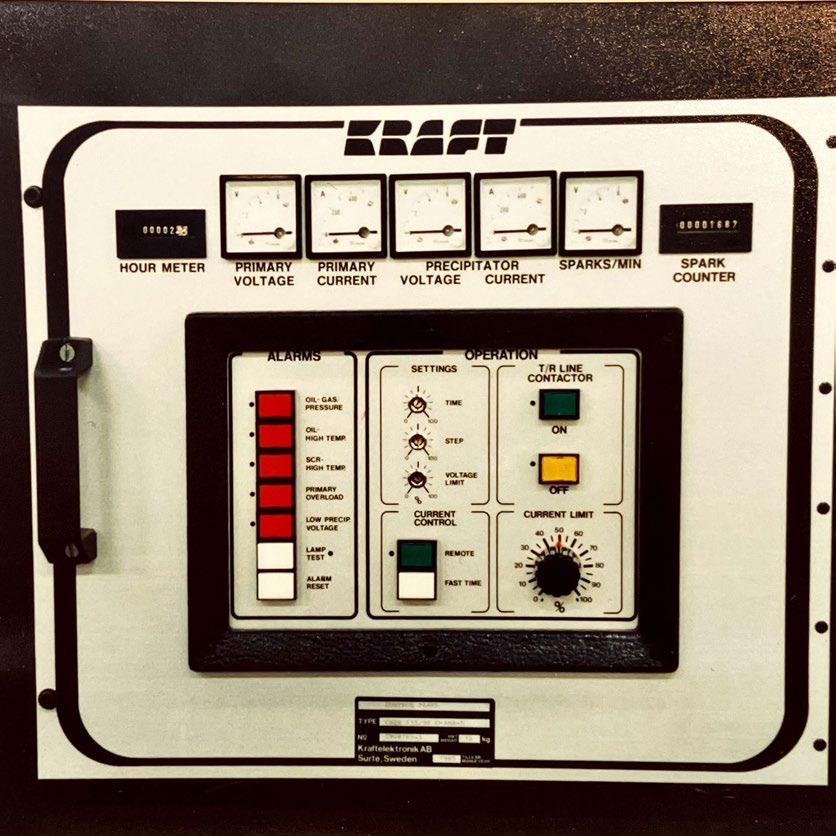
Curt Hansson buys in
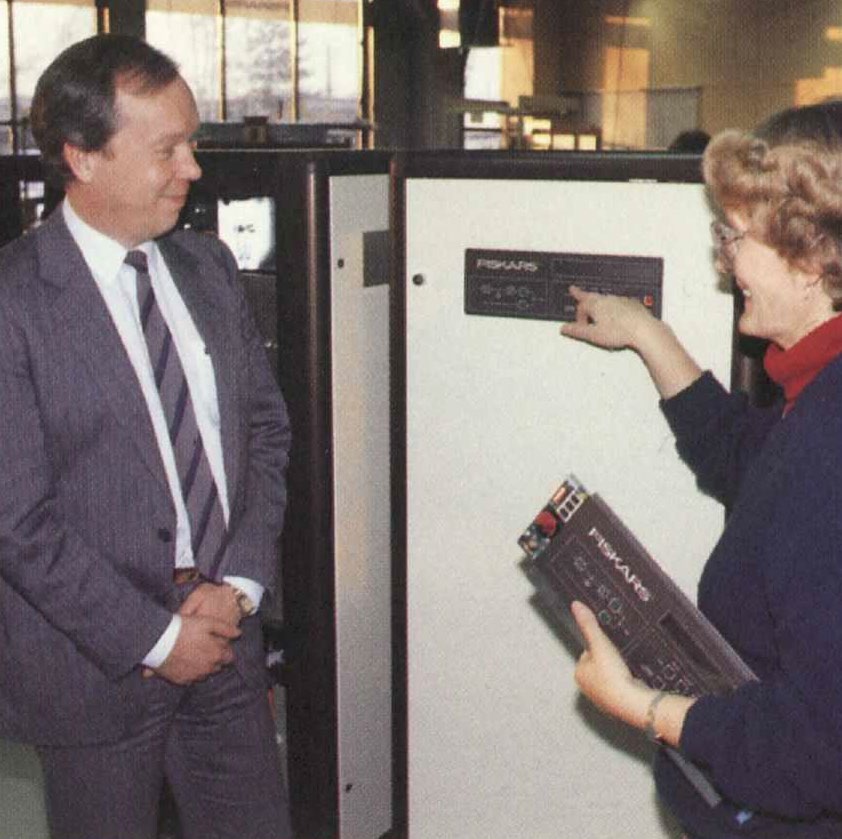
Curt Hansson buys 60 % of Kraftelektronik; PHAROS retains 40 % — another ownership shuffle typical of the early 1980s. When FISKARS later takes over Kraftelektronik AB in Gothenburg, Hansson visits the FISKARS Kraftelektronik factory in Helsinki; Sanna Heikki, Quality Control Manager, presents the latest in product development.
The departments — people behind the products
The organisation is grouped around four product families, each with its own engineers and assemblers. ESP rectifiers; service with Sune Peter Sylvén, Jan Svanström, Olausson, Arne Westöö and Laila Lundin; metal finishing with Mats Lindberg, Per-Ivan Mattsson and Daniel Höglund; battery chargers with Anders Thorbjörnsson.
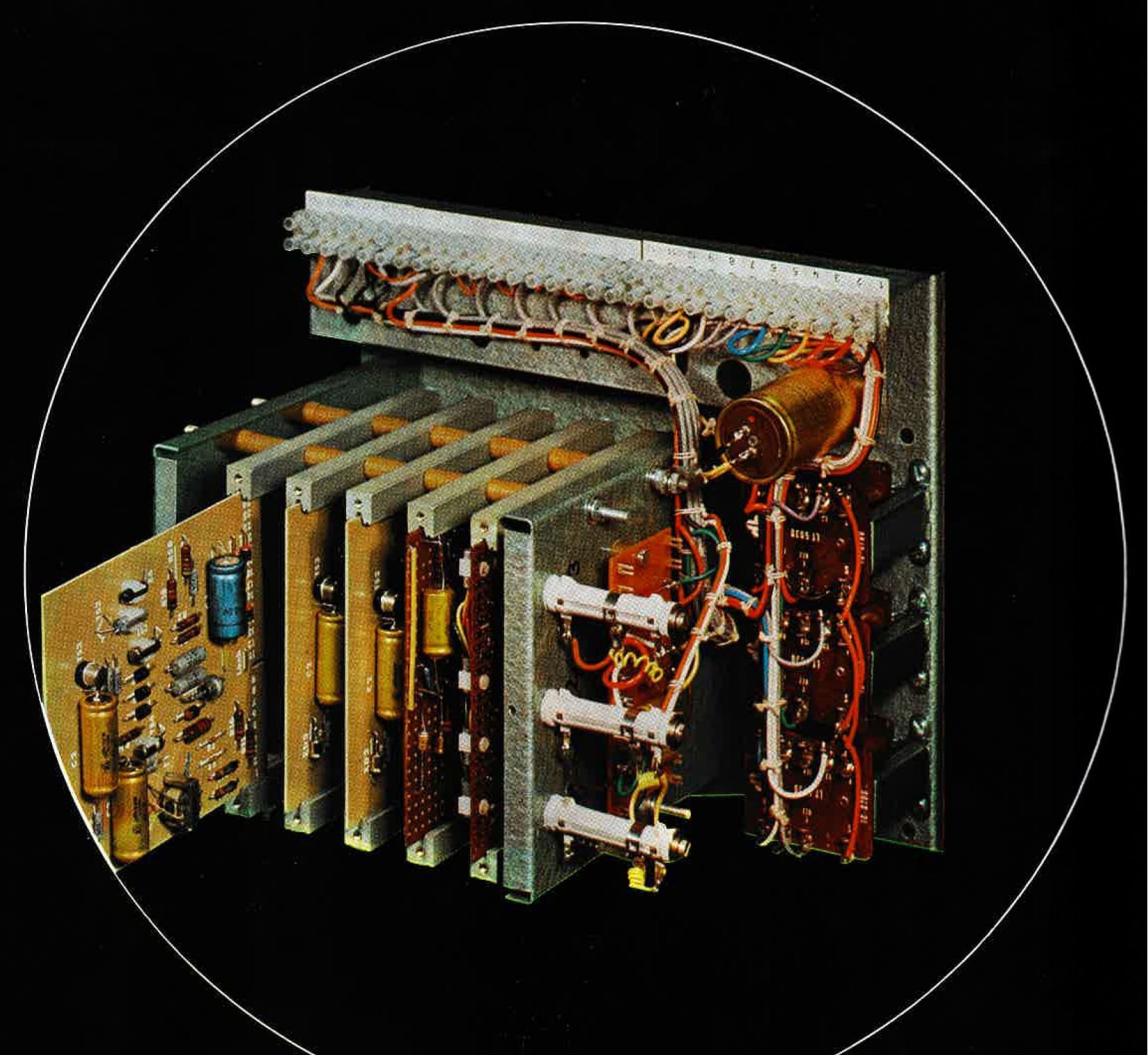
A company portrait
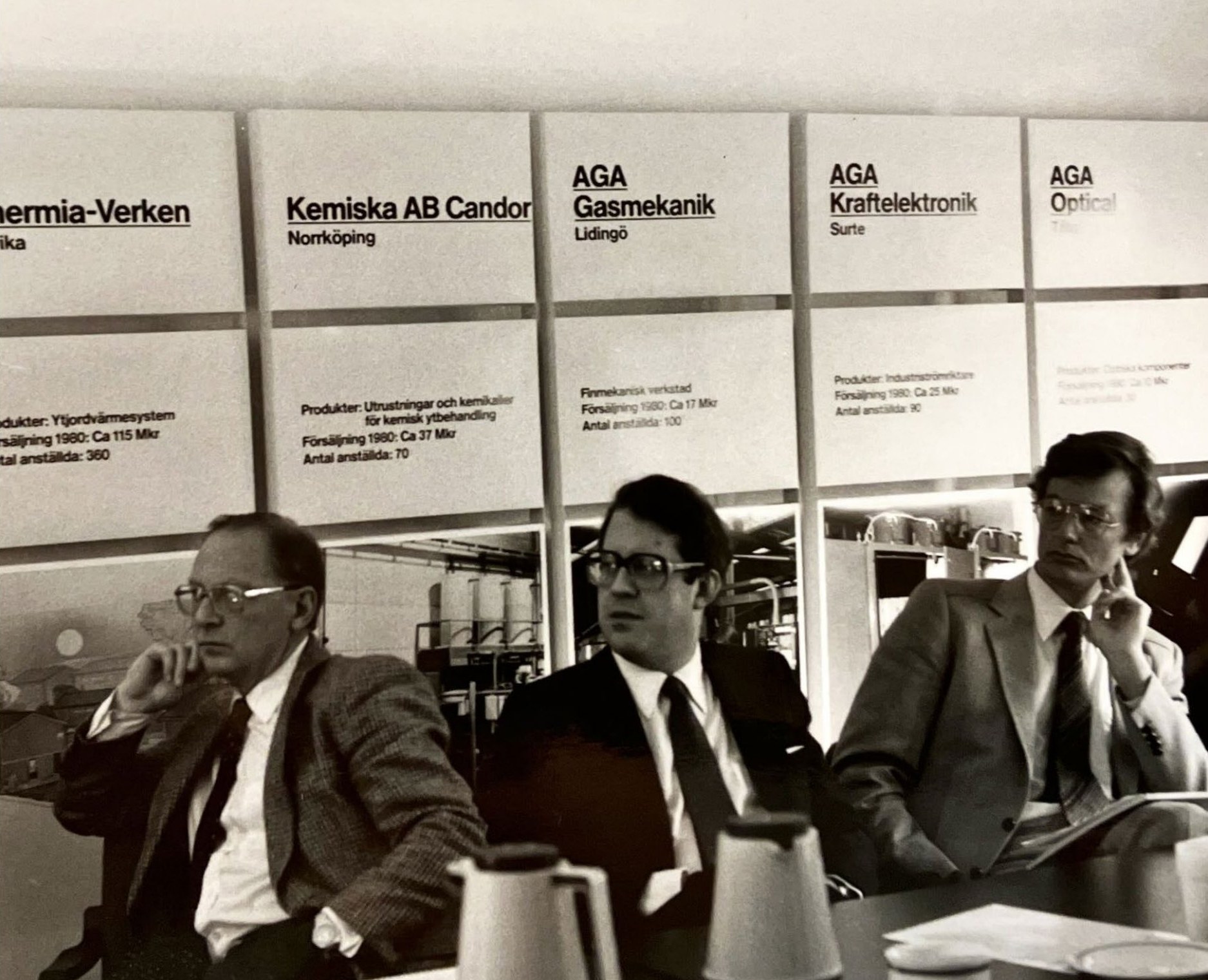
From a Kraftelektronik brochure, 1983: the company designs, manufactures and markets static converters for a variety of industrial applications — rectifiers for electrostatic precipitators, surface treatment, electrolysis and battery charging, plus complete no-break power supply systems and a highly developed service organisation.
Employees: 75 · Sales: 35 million SEK · Export: 35 %.
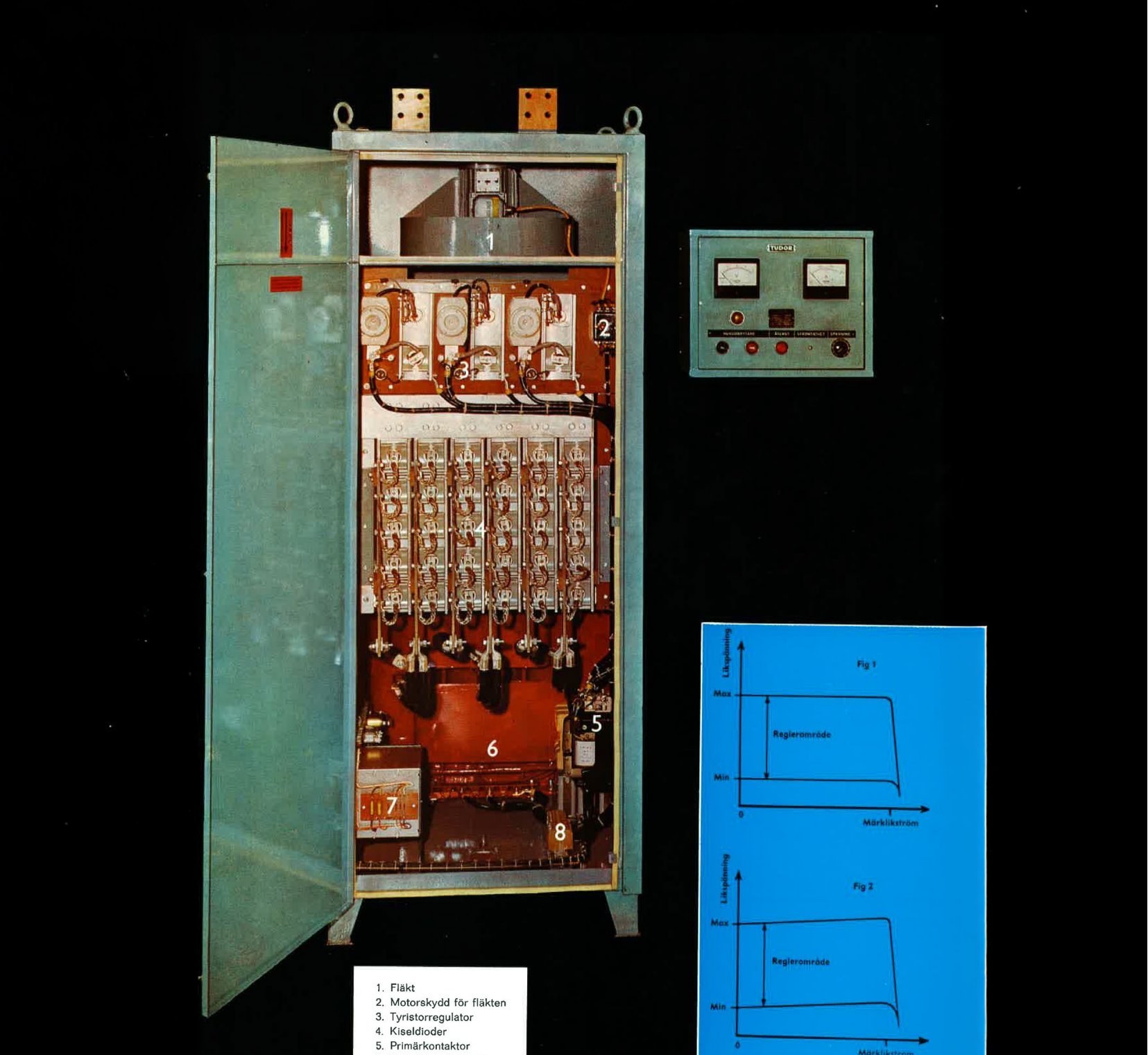
Galvanic baths, electrolysis & Volvo Torslanda
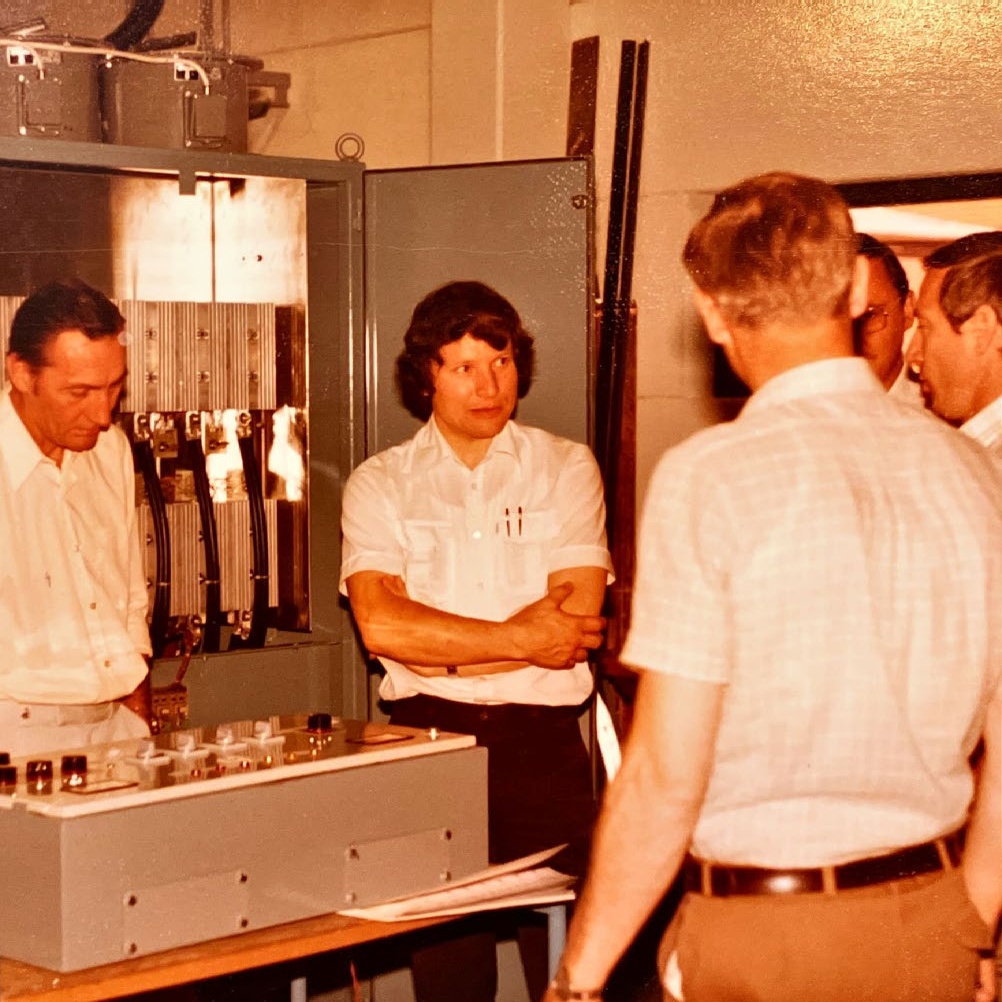
A dedicated brochure presents the rectifier range for galvanic baths and electrolysis. The same era sees a flagship delivery: rectifiers for the electrophoresis plant at Volvo's Torslanda car body factory, spring 1983.
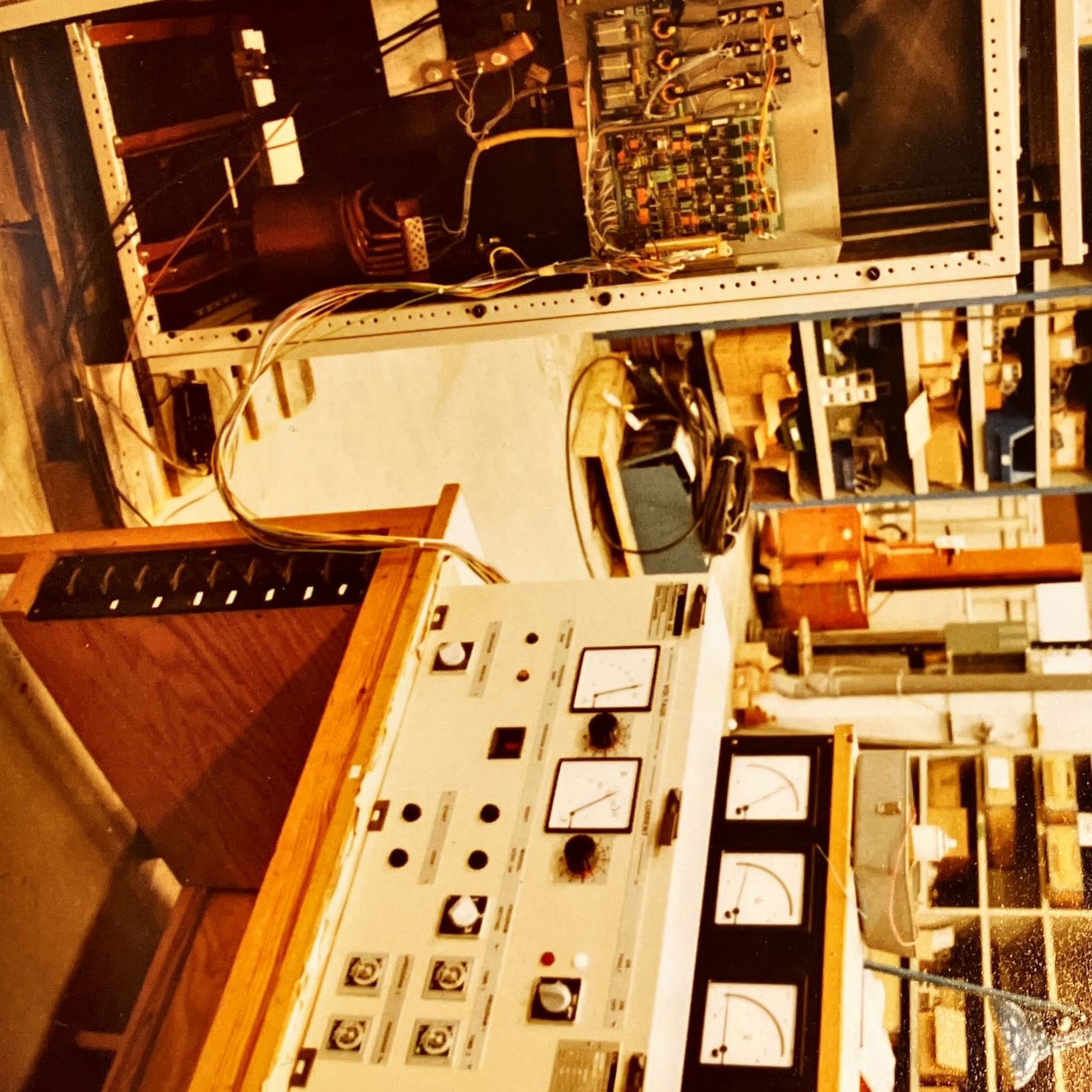
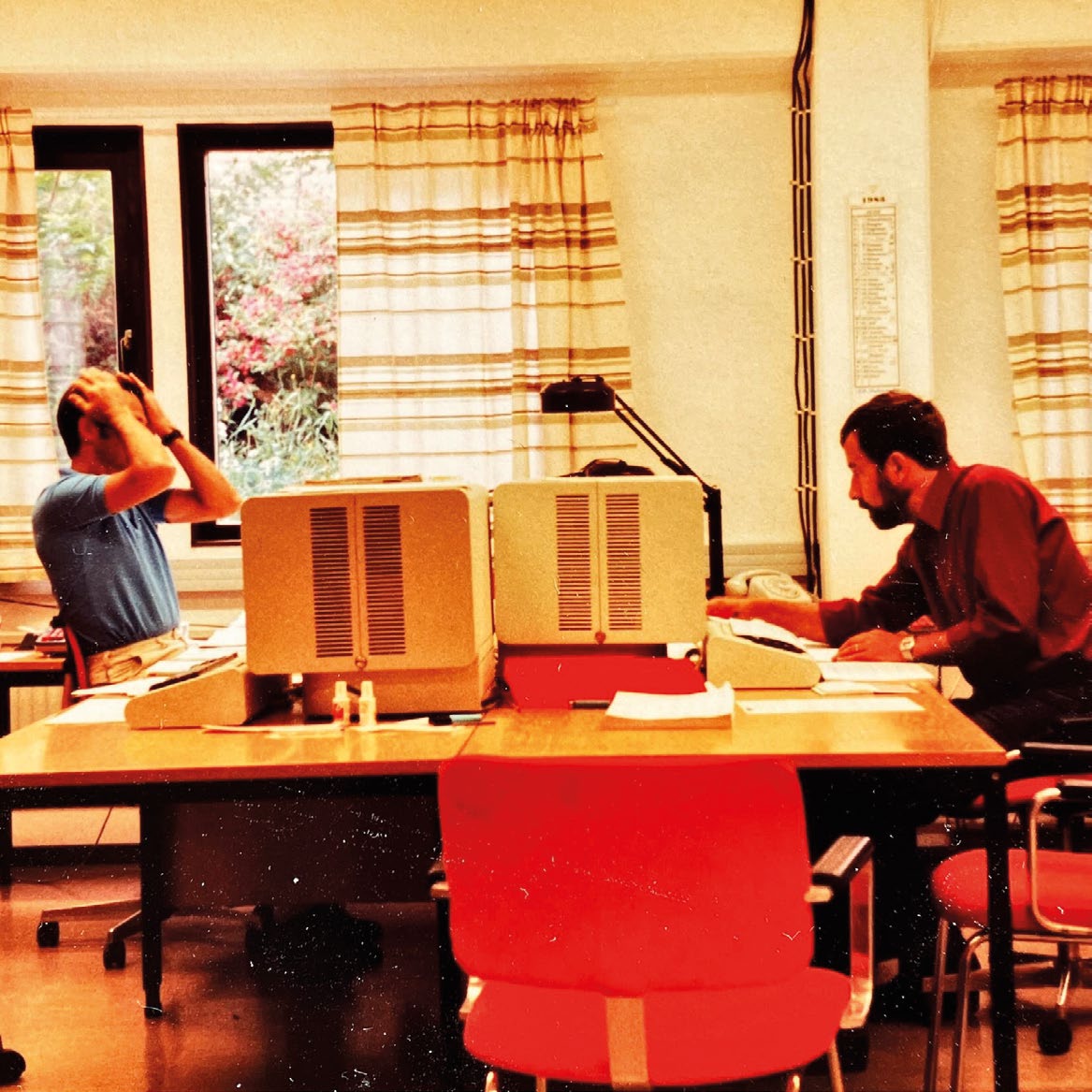
Surte at work
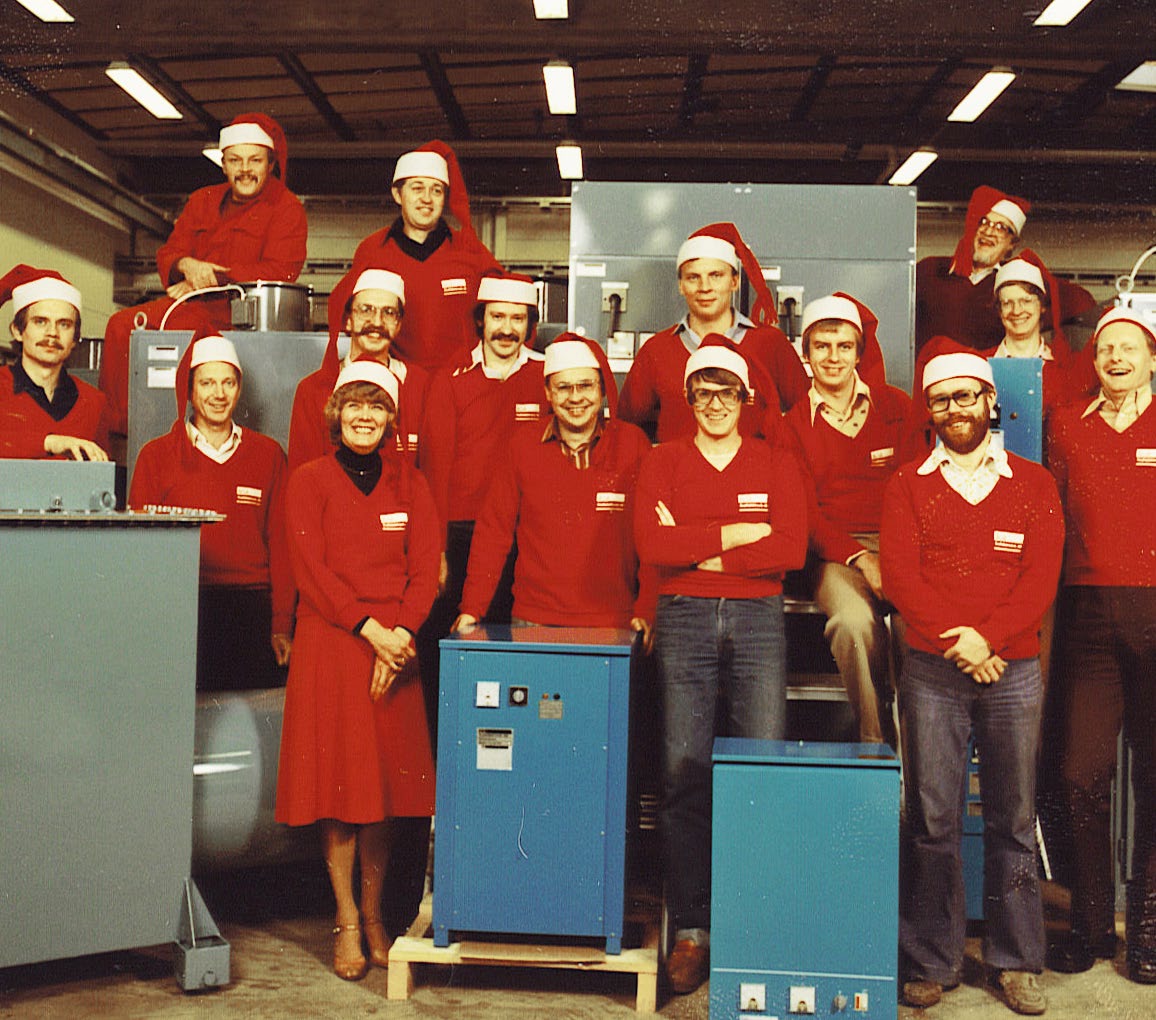
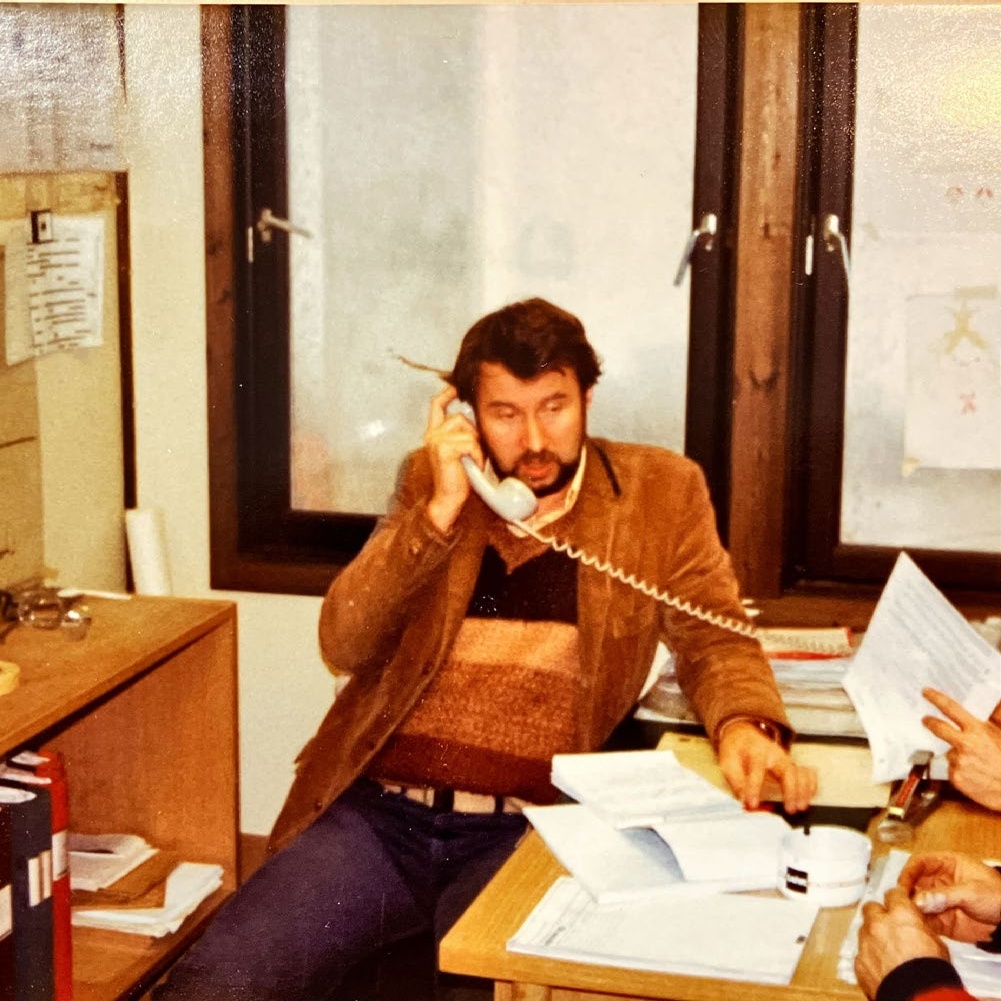
Workers in the office area in Surte, 1984; workers in the production area; and a group of staff in red sweaters and Santa hats in production — moments of an everyday culture.
Multipulse
Possible first launch of Multipulse for ESP. The ESP product portfolio is based on in-house transformer design (1F), built entirely in our own workshop: cutting of transformer plate, core laying, in-house mechanical assembly parts, winding of primary and secondary coils, final assembly, vacuum oil impregnation, and final assembly with rectifier bridges in vessels — to final testing. A control cabinet with thyristors and a proprietary control unit drives the current to the transformer.
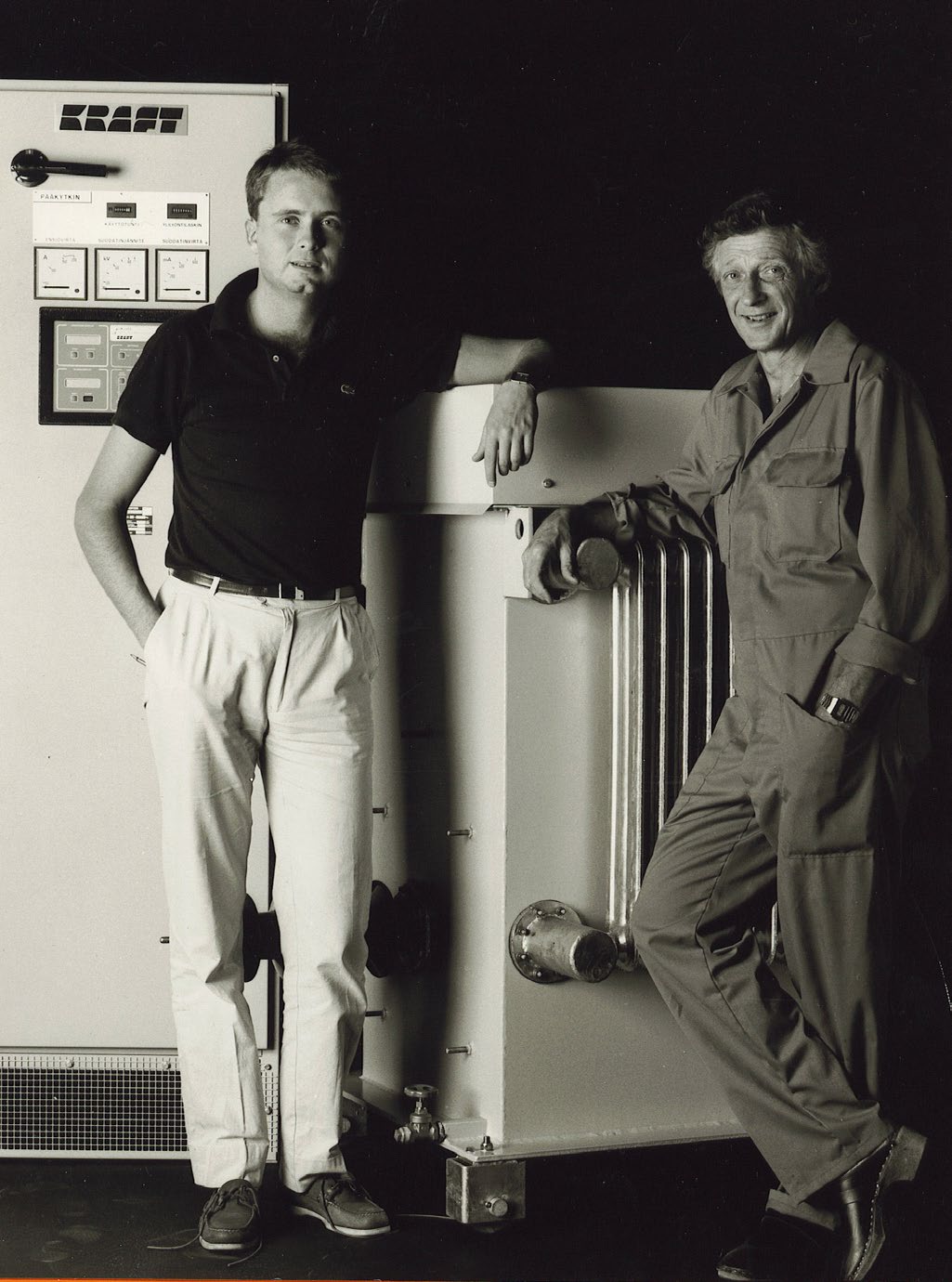
Switch-mode arrives
The SK switch-mode rectifier is introduced — a pivotal step into IGBT-based switch-mode technology for plating and finishing. Lighter, more efficient designs enable international shipments and accelerate global reach.
FISKARS · Björn Svensson
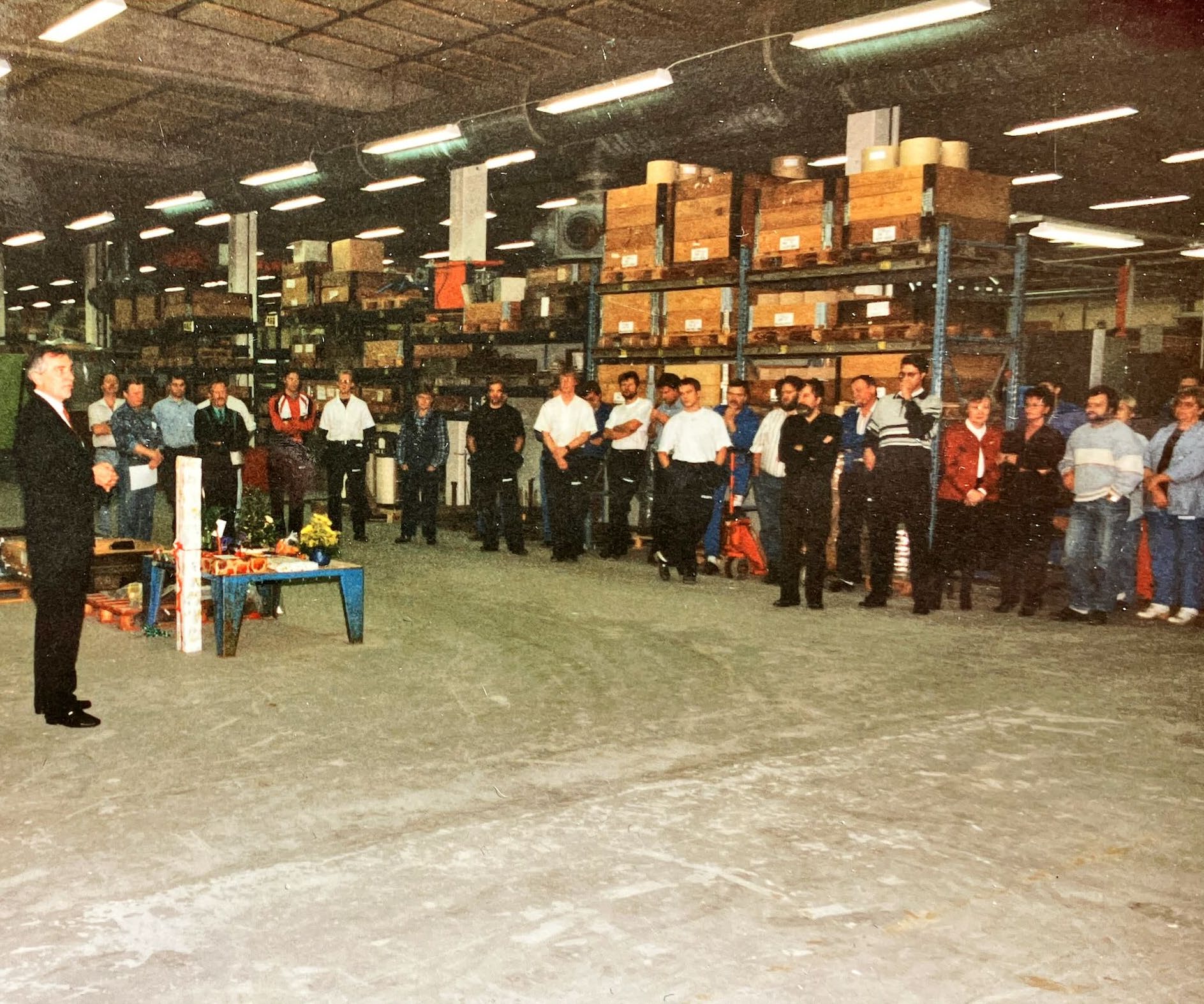
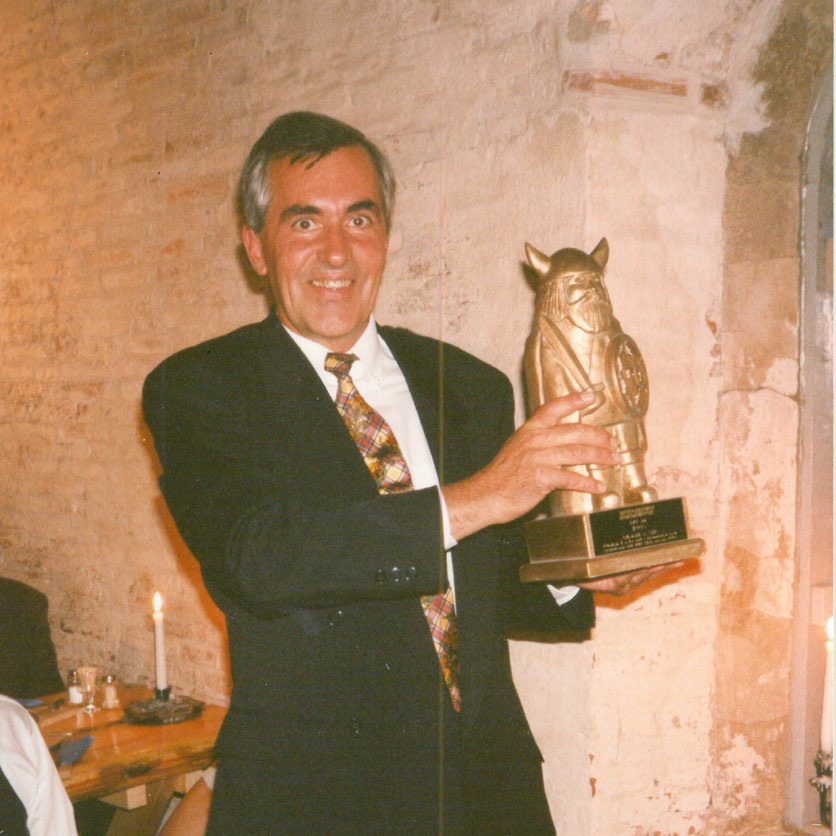
FISKARS acquires the company; Björn Svensson is named CEO — continuing a pattern of multiple ownership changes through the decade. Years later, Svensson is photographed in Surte celebrating beside "the Viking" for exceeding 100 million SEK.
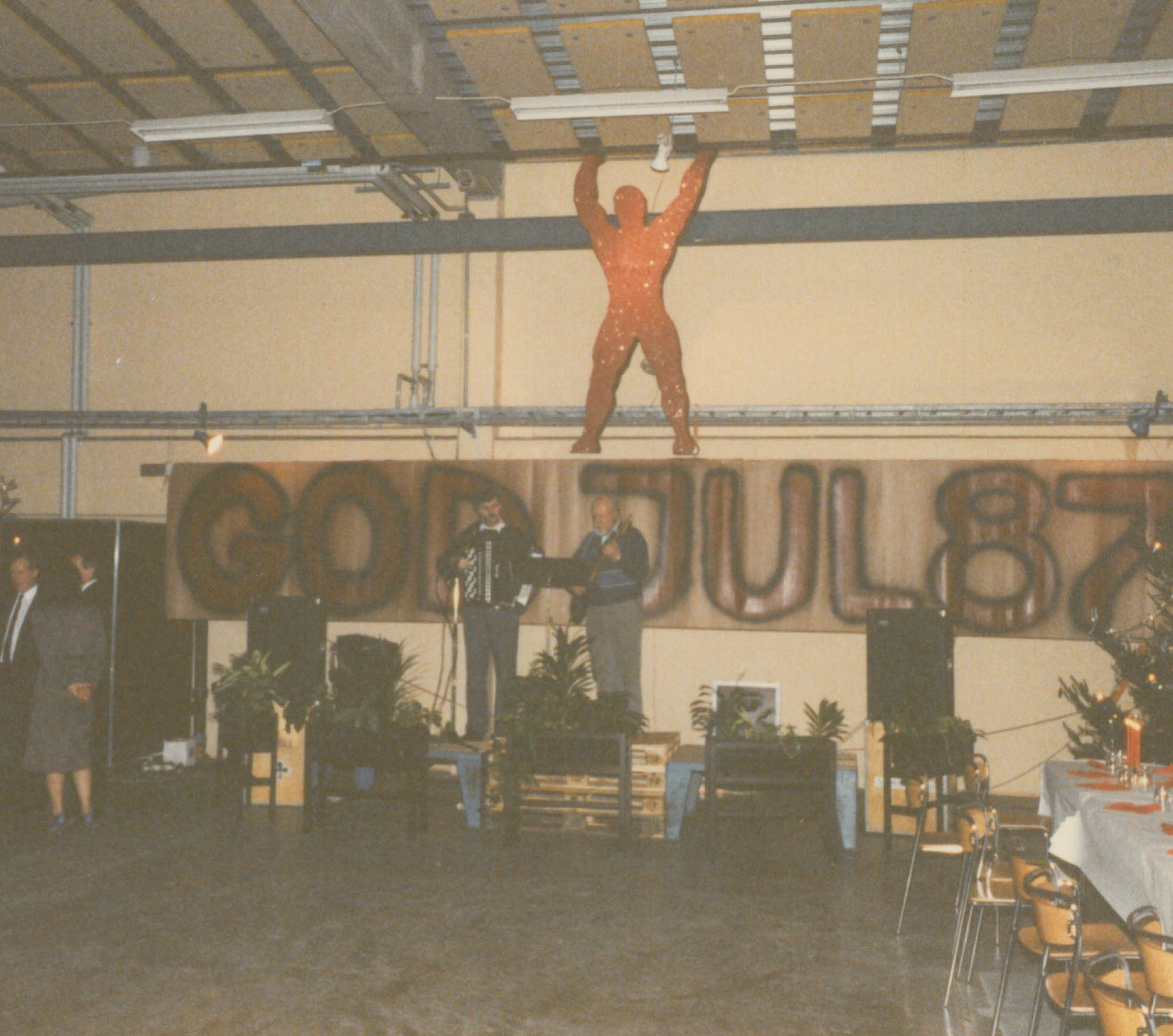
God Jul 87
A large photograph captures the Christmas celebration of 1987 — a band on stage, a banner reading GOD JUL 87, the red "Viking" suspended overhead. A reminder that the archive is not only of products and patents.
Switch-Kraft 200–1000 A
The Switch-Kraft line — rated 200 to 1000 A — extends the product family across the decade, foreshadowing the switch-mode compact era of the 1990s.
Björn Lundin invests
Björn Lundin invests, becoming co-owner with Svensson.
KRAFT is bought back
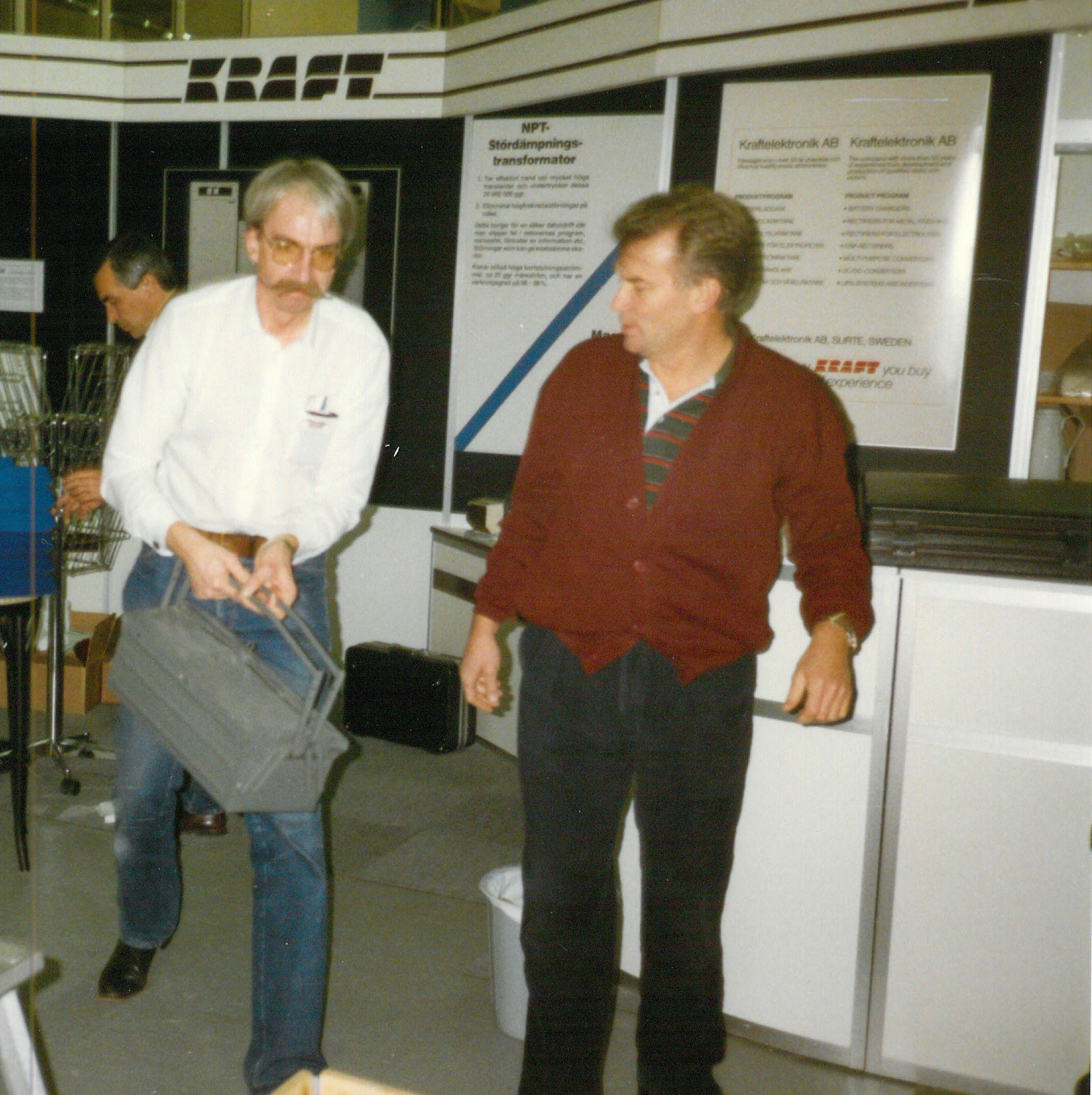
Björn Svensson buys KRAFT from FISKARS and acquires a competitor in Växjö. Operations expand between Surte and Växjö, and the UPS business officially joins Kraftelektronik. The NPT — Stördämpningstransformator is photographed alongside Per-Ivan and Björn Lundin in 1990. The brand line of the period: KRAFT — you buy experience.
Organisation
The business is organised by product area. Four sales managers — one in Växjö — are also responsible for order preparation and product development. The aftermarket lives in a separate Service Organisation, also responsible for final testing of the products. Purchasing, warehousing and production sit under a production manager, with an admin function for finance and salaries.
Ownership stabilises
Björn Lundin exits; Björn Svensson regains full ownership of Kraftelektronik. Ownership stabilises under his leadership.
Elfack
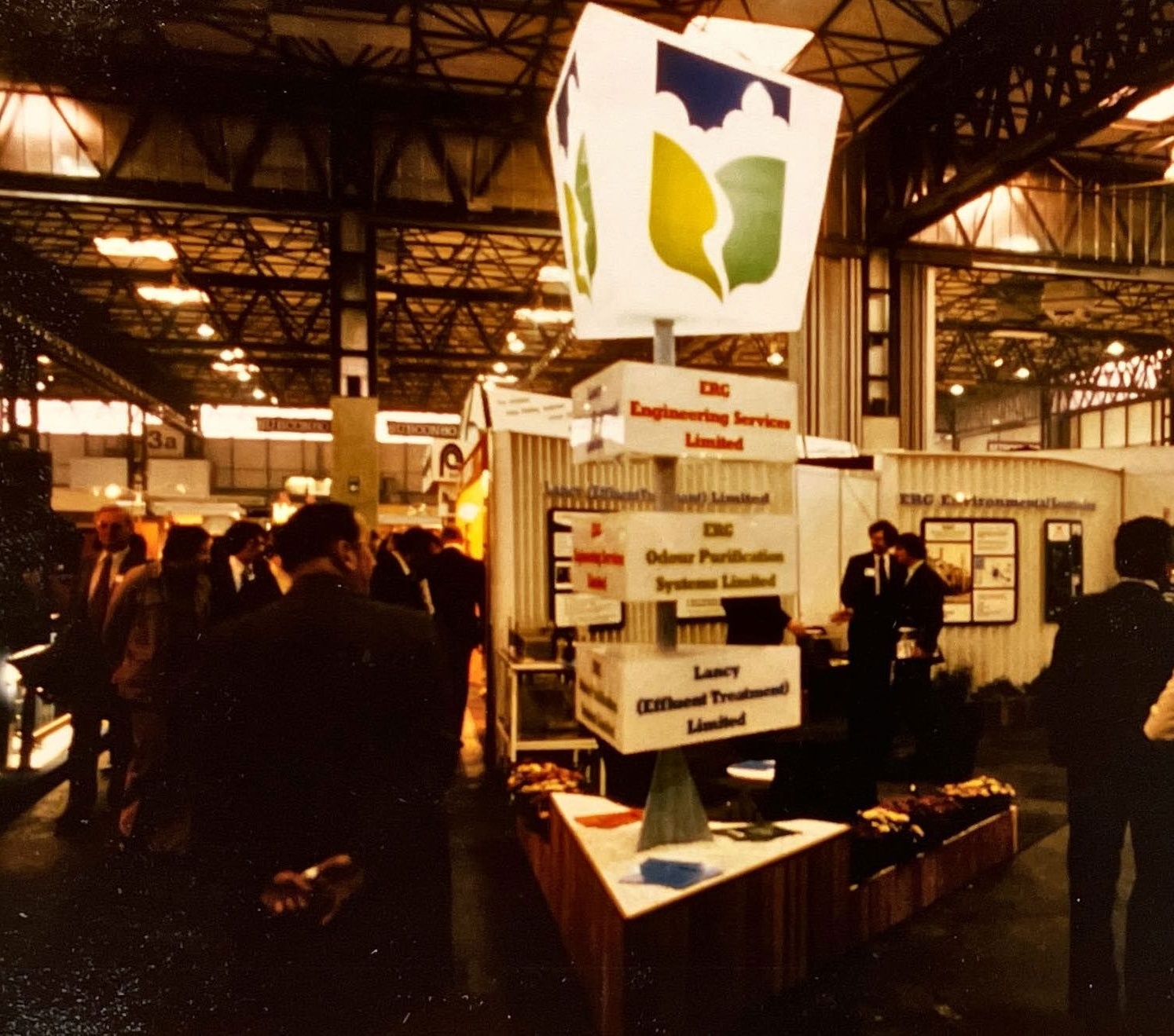
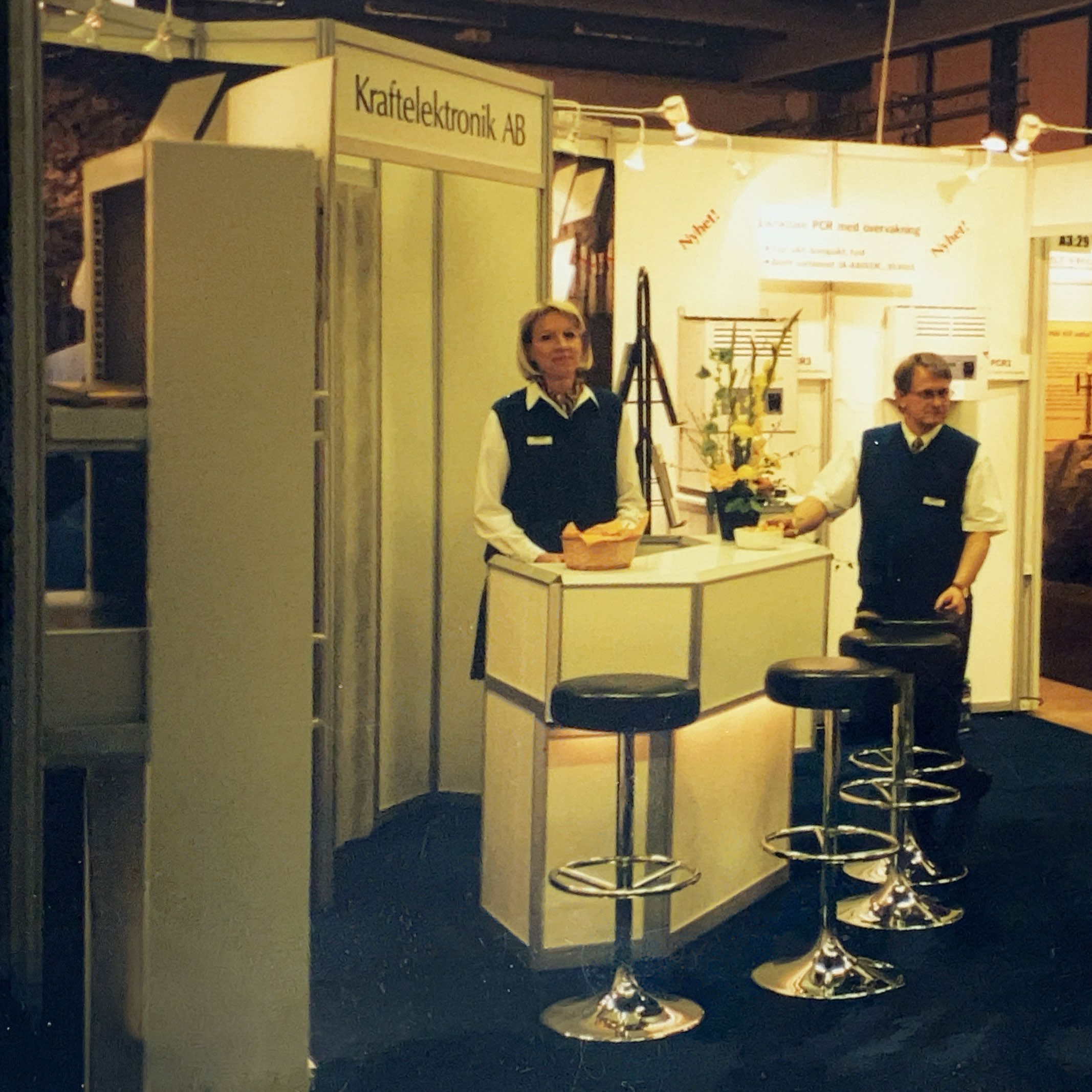
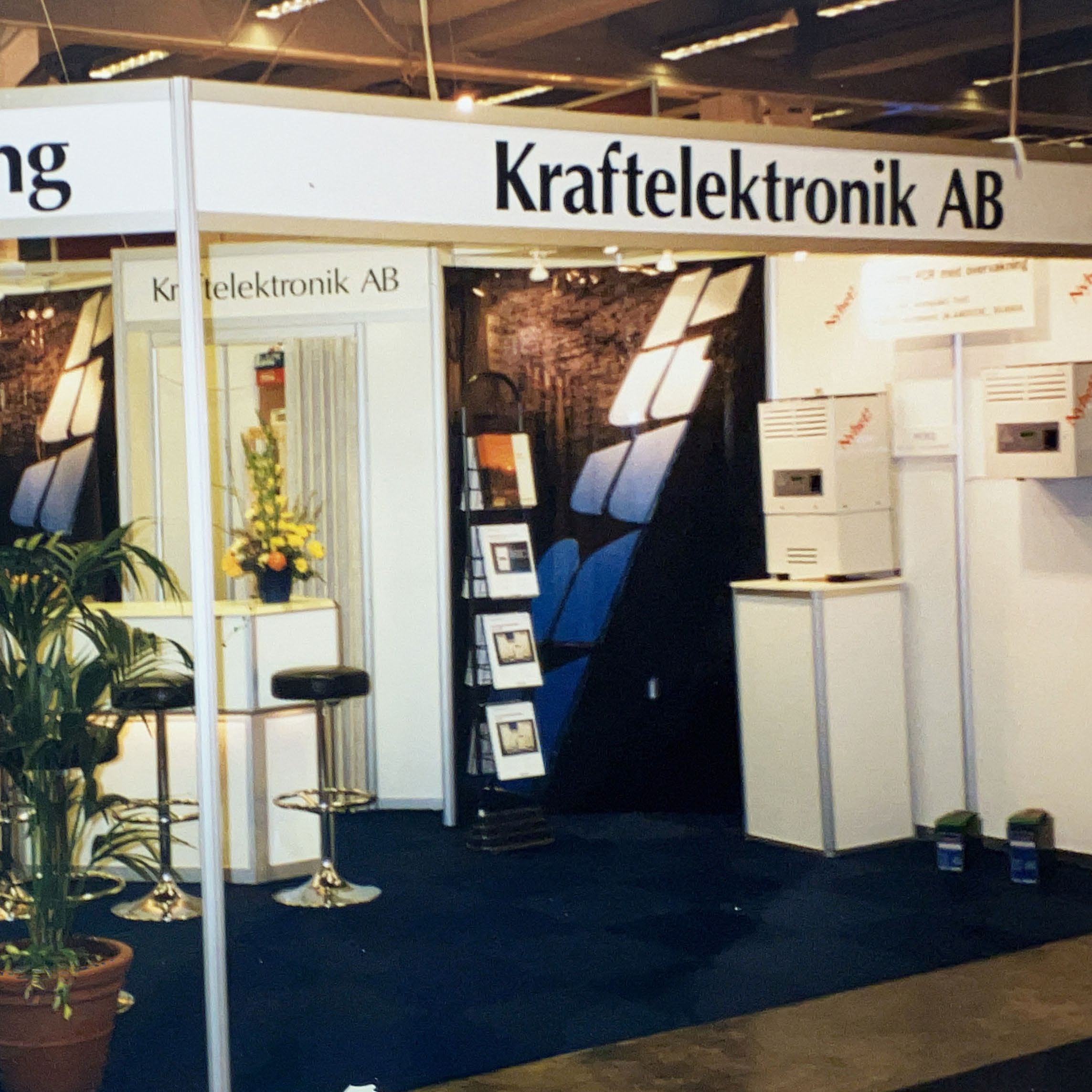
Kraftelektronik at the Elfack exhibition, 1995 — the stand, staff and equipment captured together at one of the company's most public industry appearances.
UPS division at work
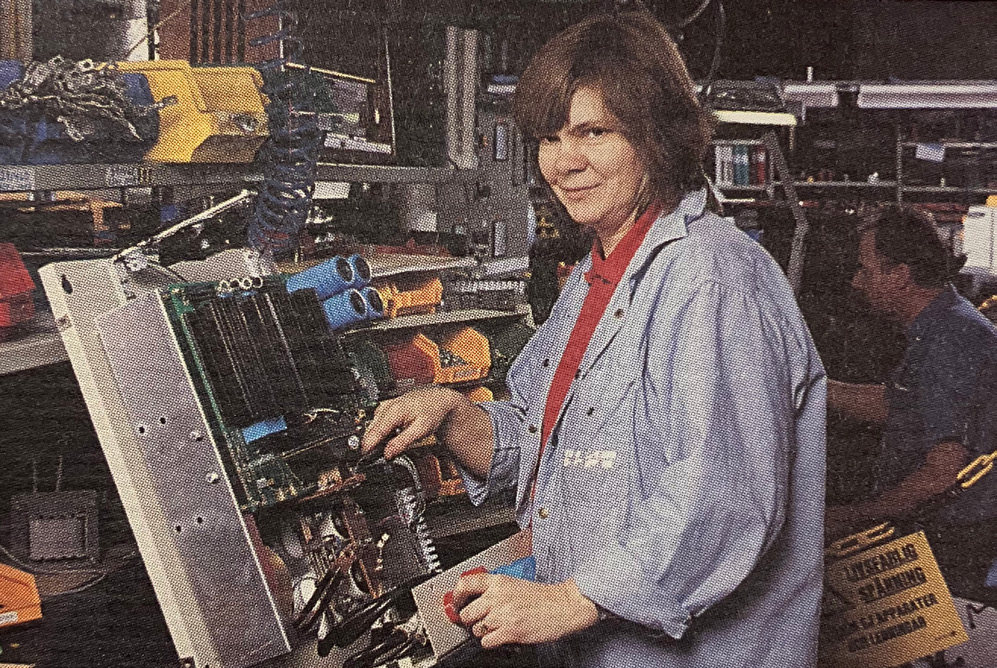
Employees photographed in the production area of the UPS division through the 1990s — a quiet, methodical body of work that would carry the company into the global era.
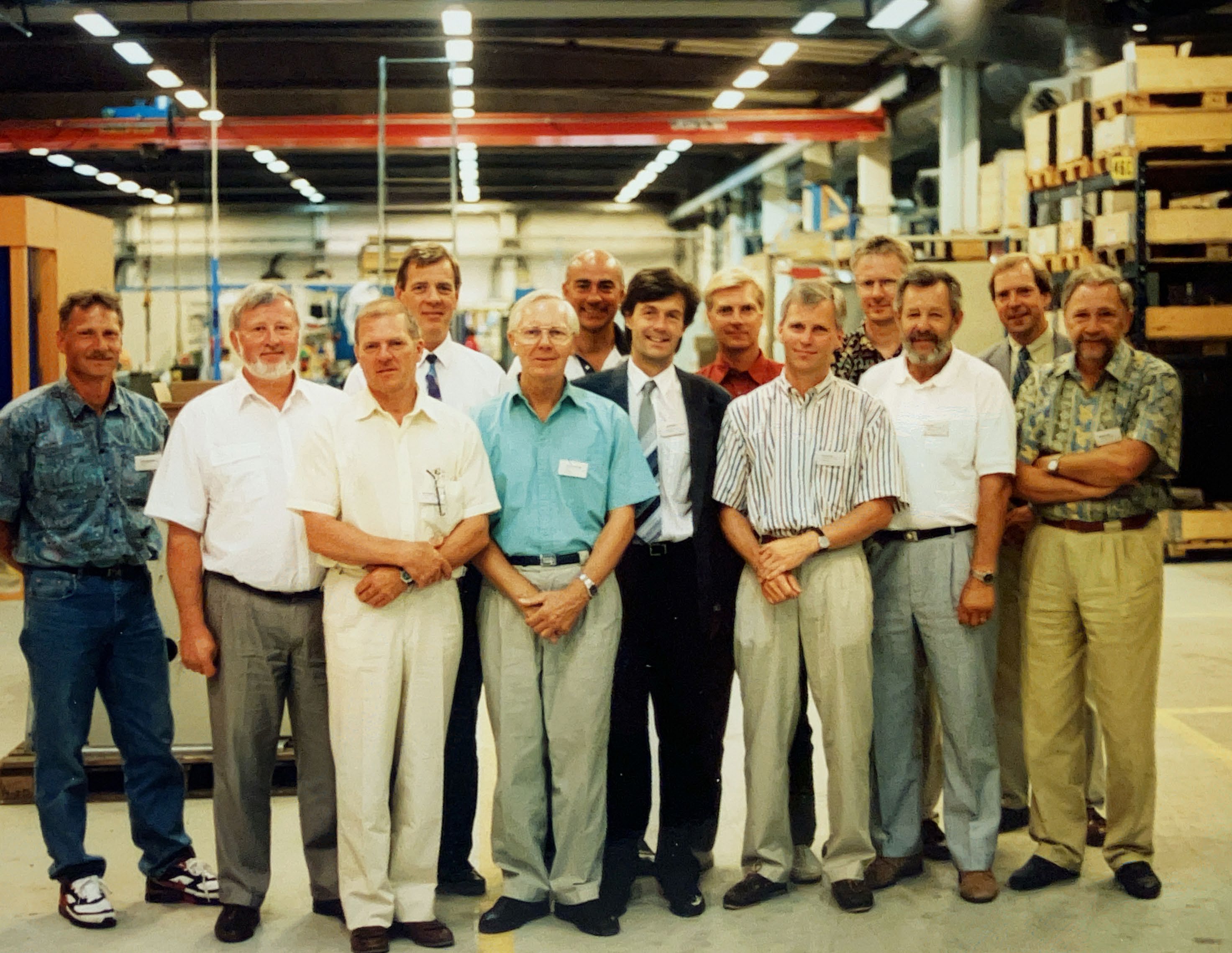
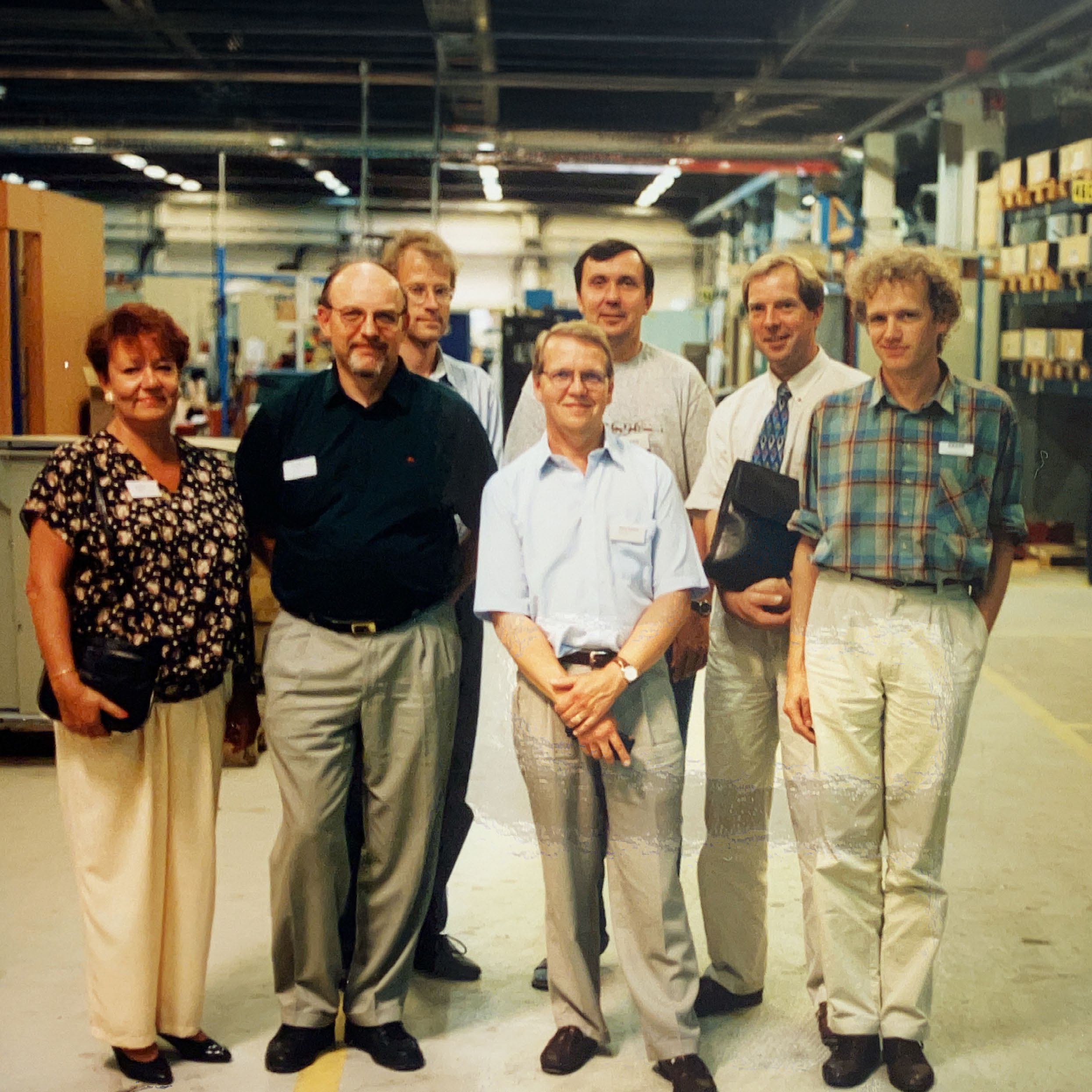
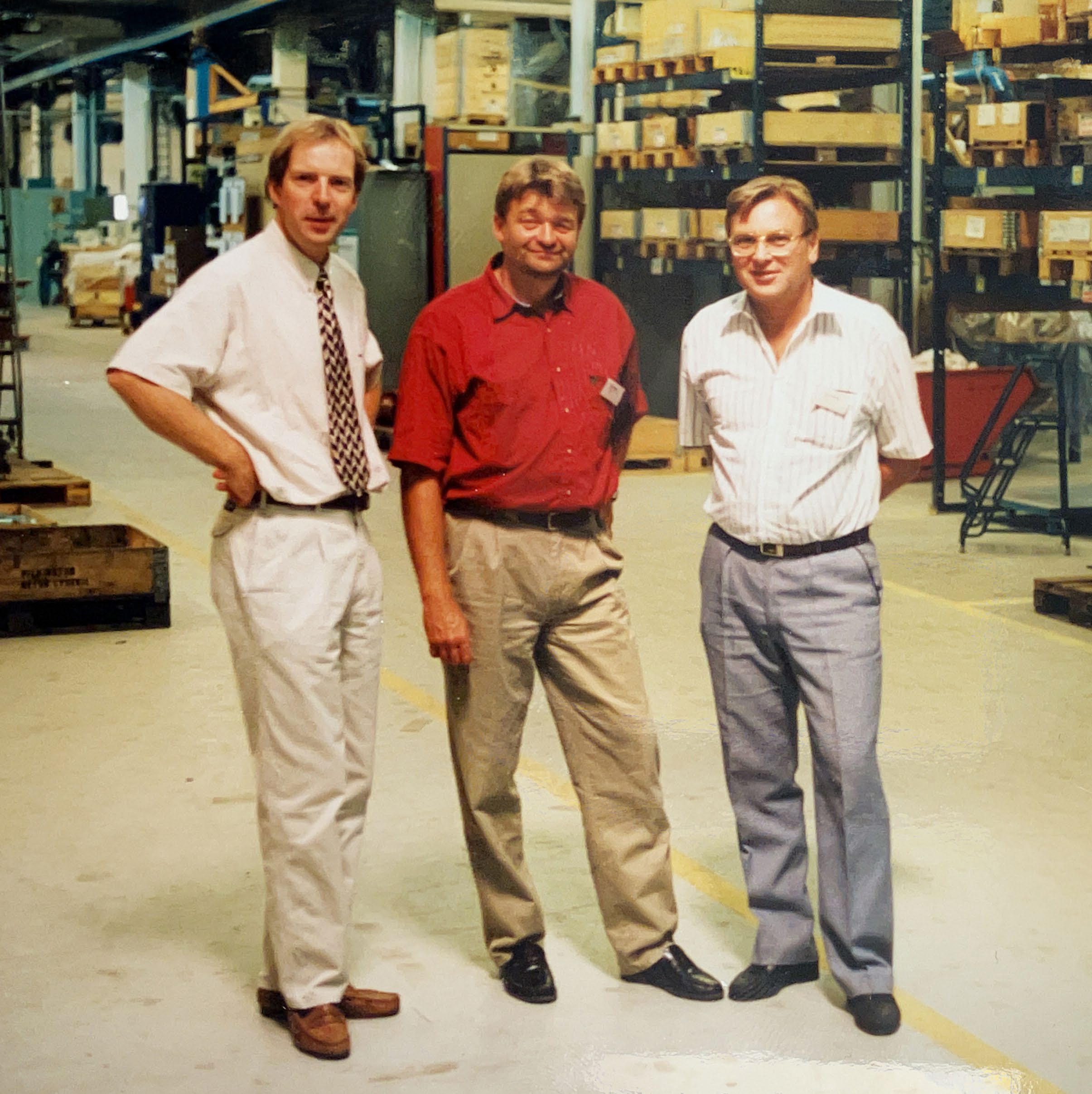
KraftPowercon's journey from a Swedish industrial pioneer to a truly international company began with a breakthrough in design. Our power supplies became smaller, lighter, easier to ship — without compromising reliability or performance.
What was once confined to local markets could now move efficiently across continents. From electroplating to semiconductor production, customers access the same quality and reliability that have defined us since 1935.
The Hands Behind the Cabinets
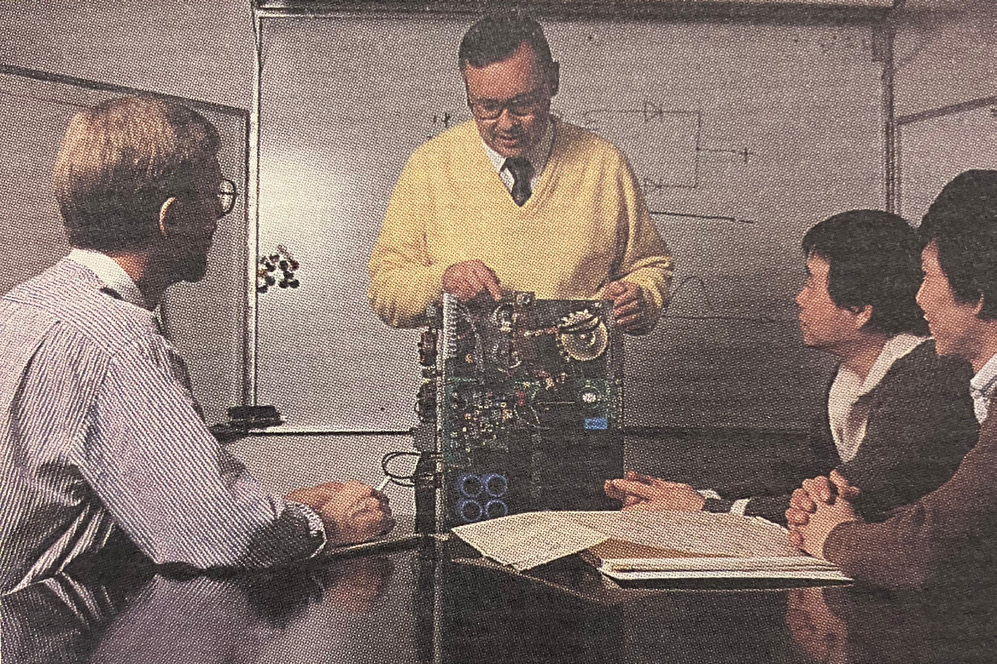
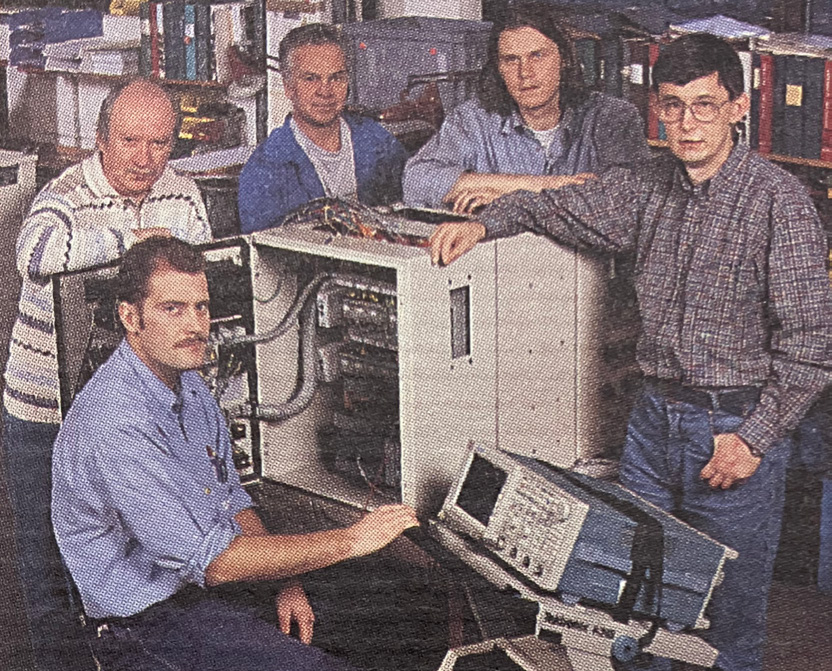
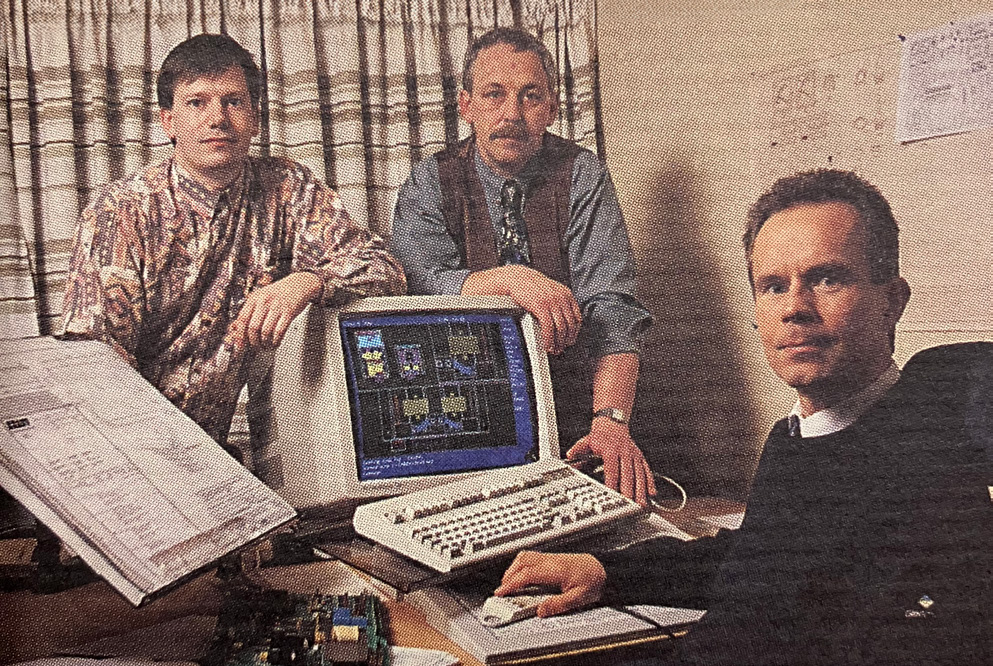
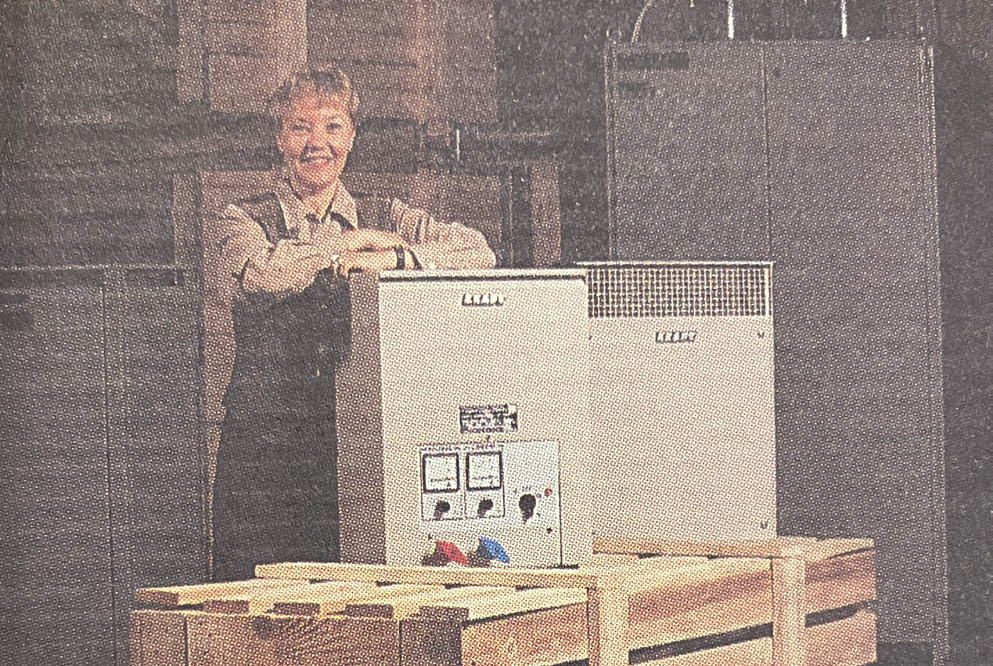
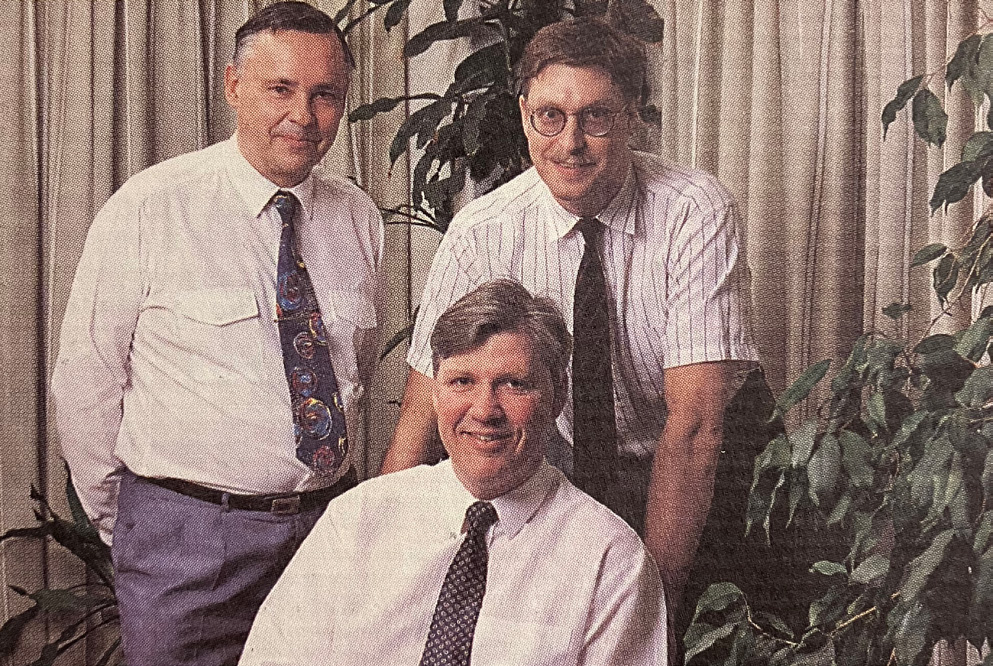
By the mid-nineties, Kraftelektronik had grown into a craft house of roughly forty engineers, machinists and assemblers — each rectifier still built and signed by hand in Surte.
The complete UPS range
From single-phase office UPS units to three-phase industrial systems, the catalogue covered every continuous-power demand a Swedish utility, hospital or process plant could put in front of it.
Switch-Kraft — the compact revolution
Modern switch-mode technology let Kraft compress what once filled a two-metre cabinet into a tabletop unit — without compromising reliability or ripple performance.
J-type, C-type & Micro-Kraft 2 — power for ESPs
J-type and C-type transformer-rectifier units, the Micro-Kraft 2 controller and the TWIN control cabinet formed a complete electrostatic-precipitator family — the foundation of the air pollution control business for the next thirty years.
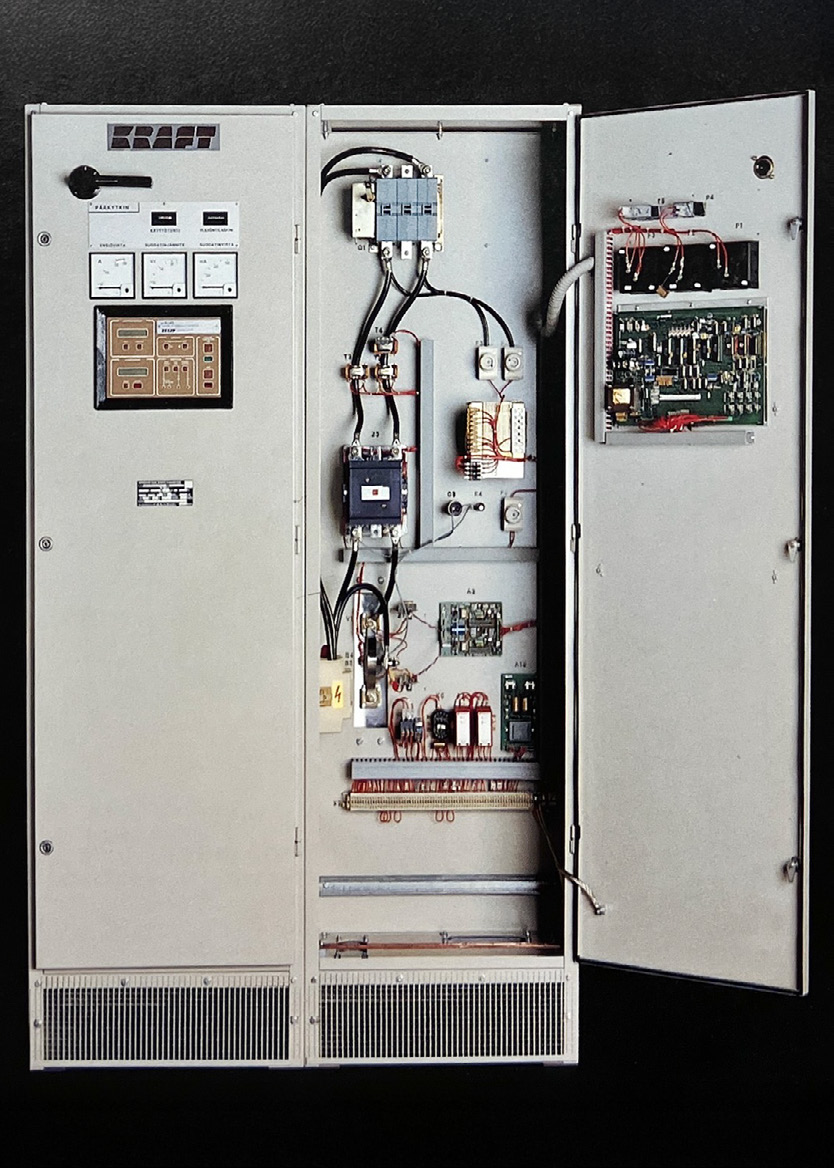
PowerCenter — a flexible modular power system
A modular DC power architecture engineered for substations and telecom rooms: pole-separated battery central, PCR1 charging and monitoring, generous battery ventilation, screw-terminal distribution. One platform that scaled from a single cabinet to a full installation.
Switch-Mode & the Smart Decade
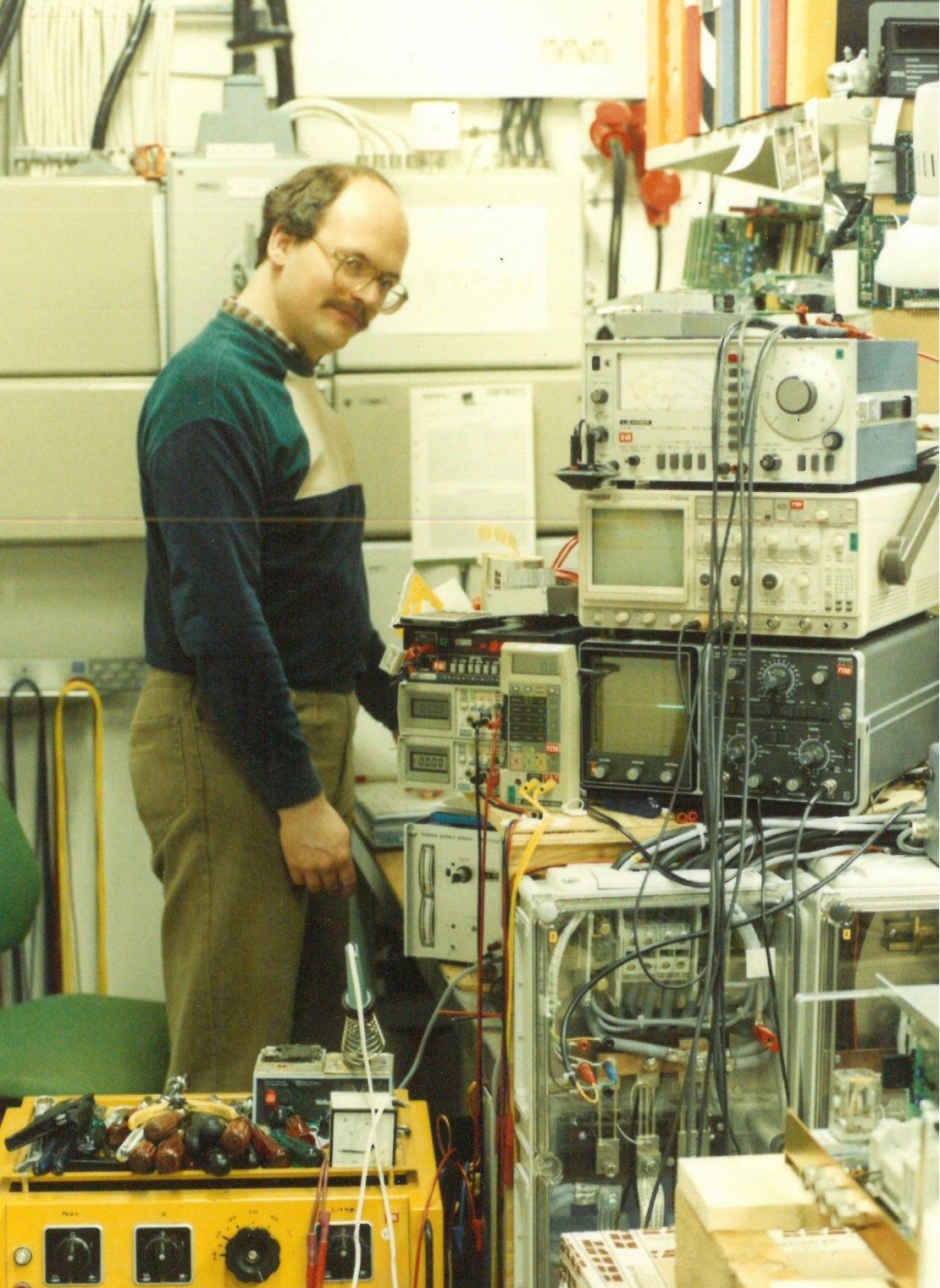
The first ISO 9001 certificate replaced the binder-based instruction manual “IM” with a digital operations handbook — quality became a system, not a habit.
Kraft Electronics Ltd — Hong Kong
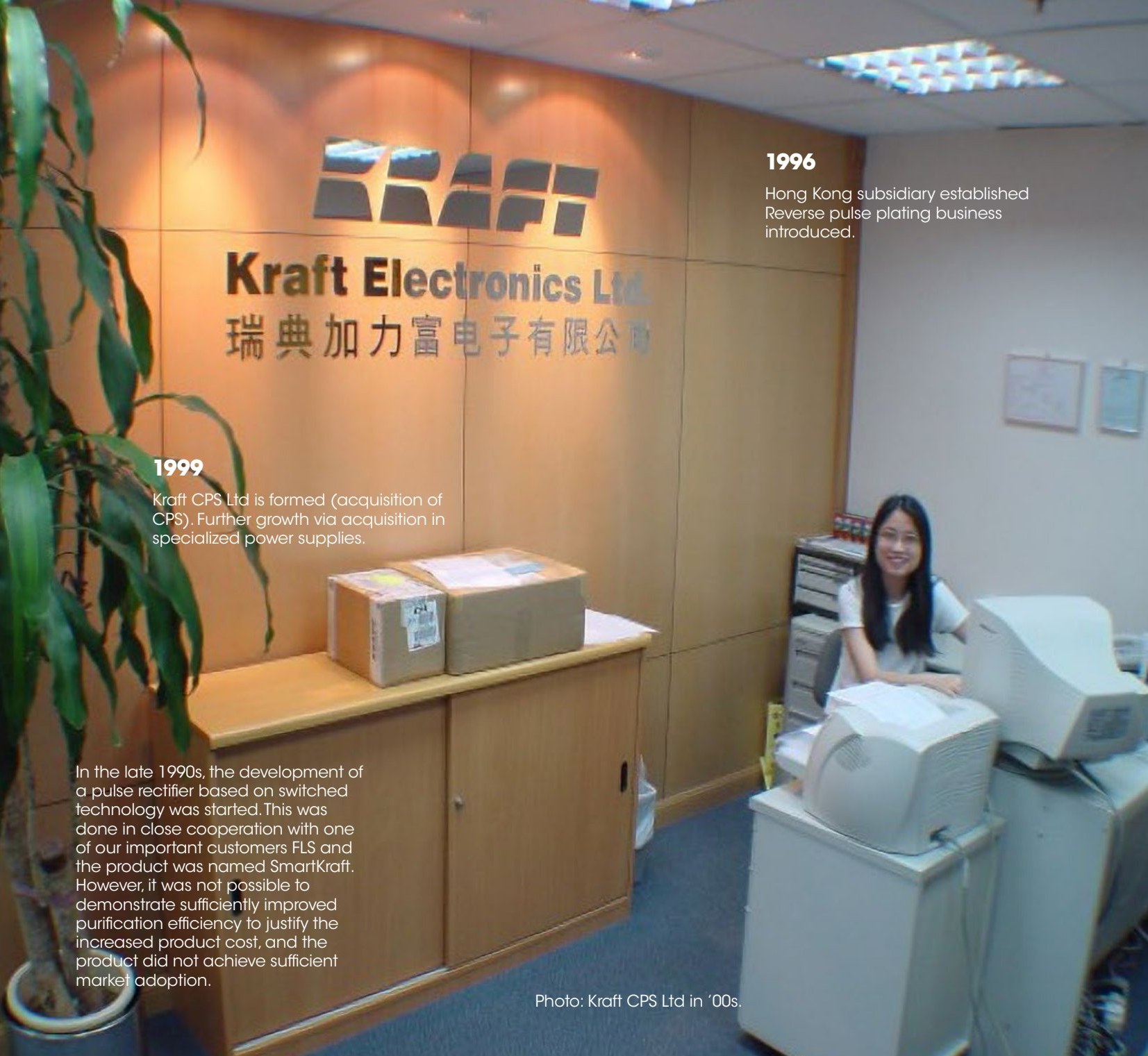
A Hong Kong subsidiary opened the door to the Pacific rim. Reverse pulse plating was introduced as a new service line for the electronics industry.
Kraft CPS — growth by acquisition
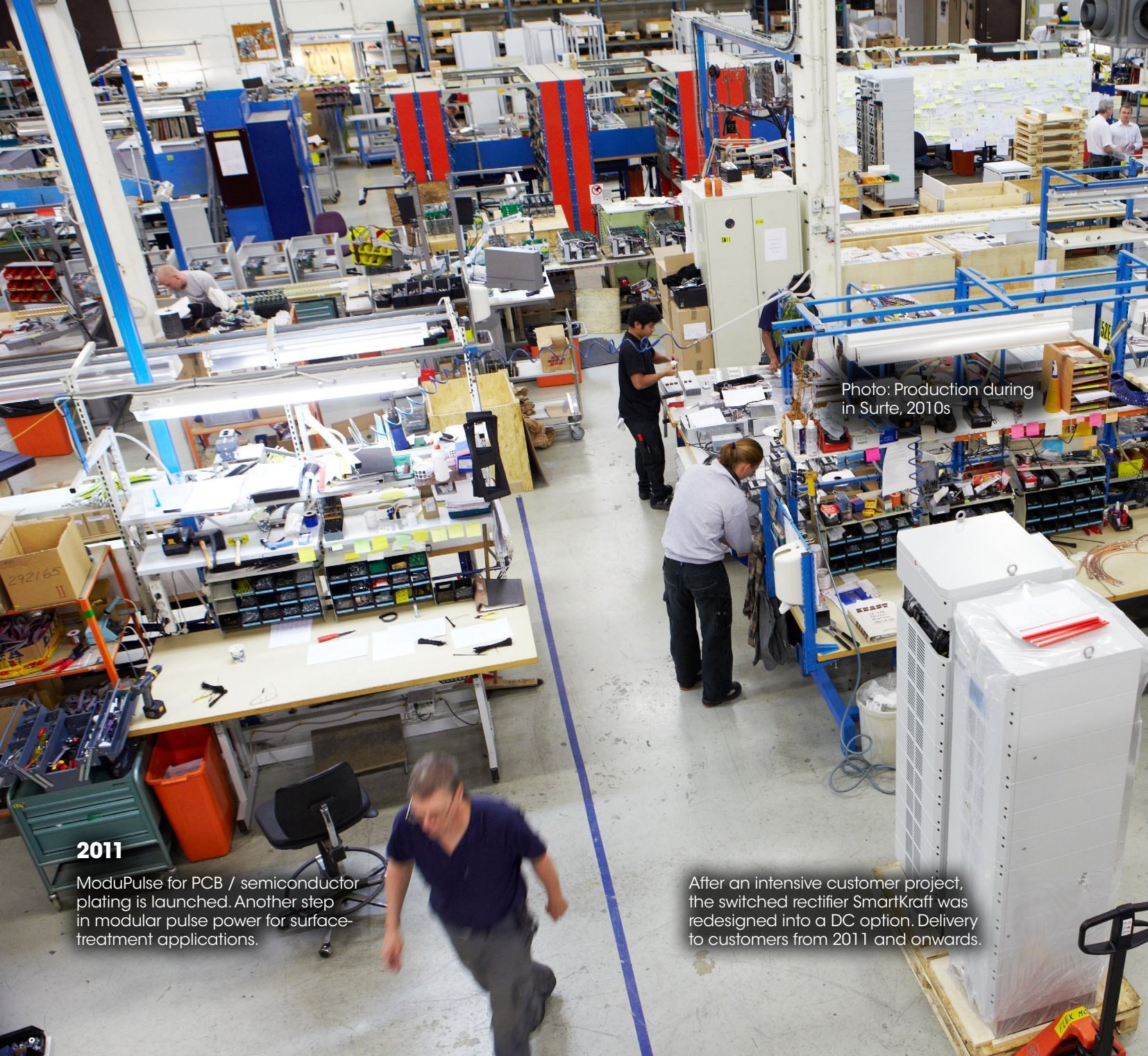
The acquisition of CPS formed Kraft CPS Ltd, expanding the specialised power-supply portfolio. Late in the decade development began on a switch-mode pulse rectifier — SmartKraft — co-engineered with FLS.
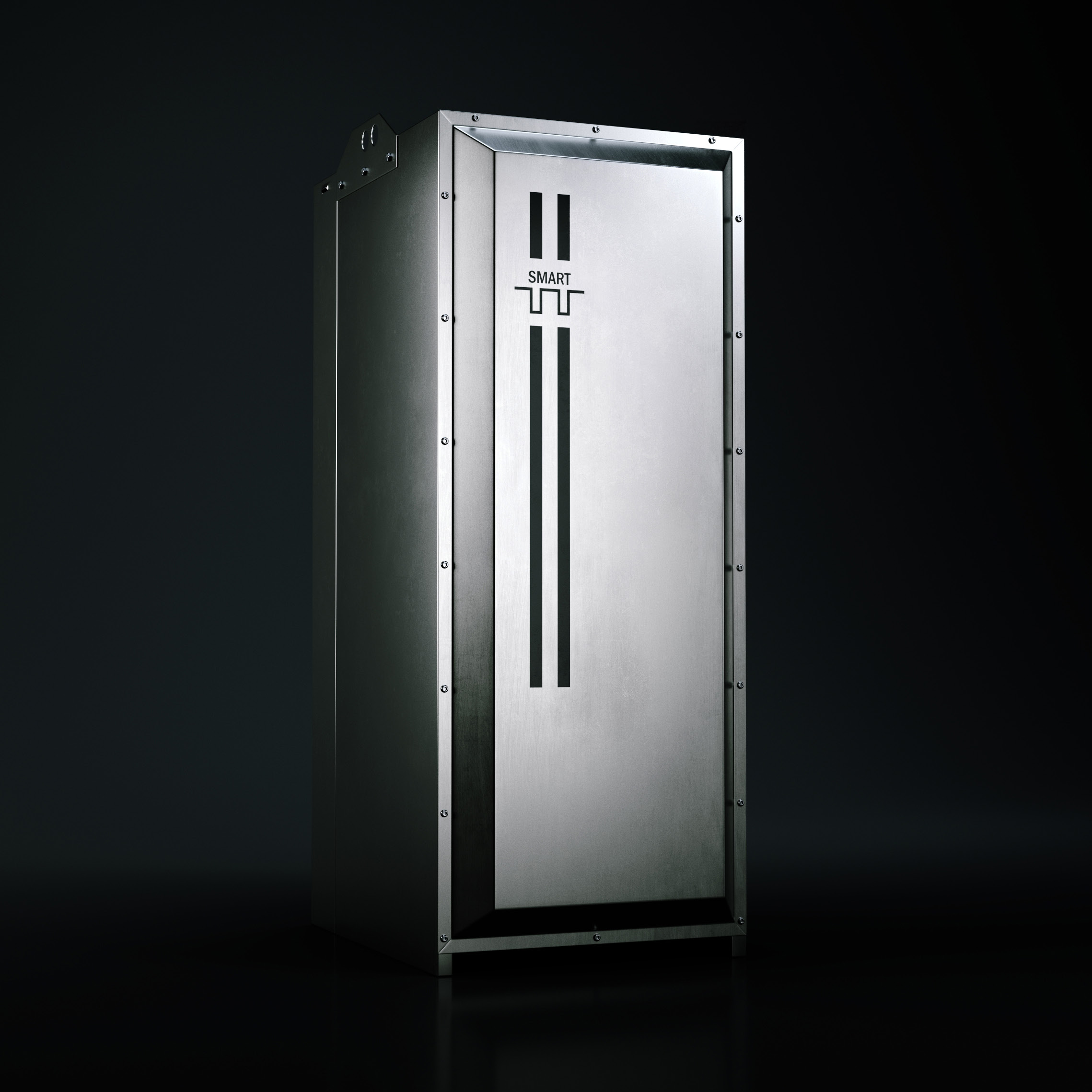
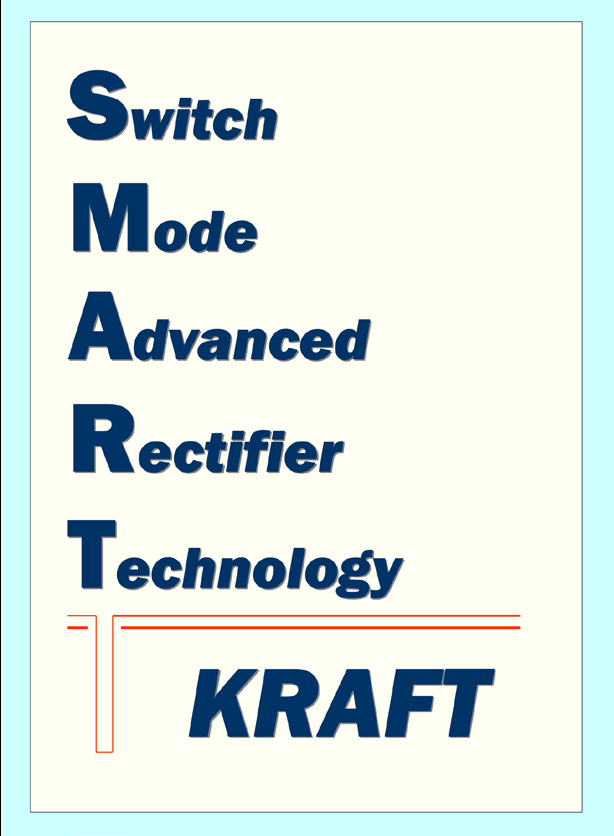
SmartKraft.
Switch Mode Advanced Rectifier Technology.
Sealed, compact, maintenance-free. Built to live on the plating line itself, not in a power room down the corridor.
UMD™ — Uninterruptible Motor Drive
Officially released from the Växjö unit, the UMD type S400 paired an inverter, drive and battery bank into a single survivable cabinet — a Scandinavian engineering bet that paid off for two decades.
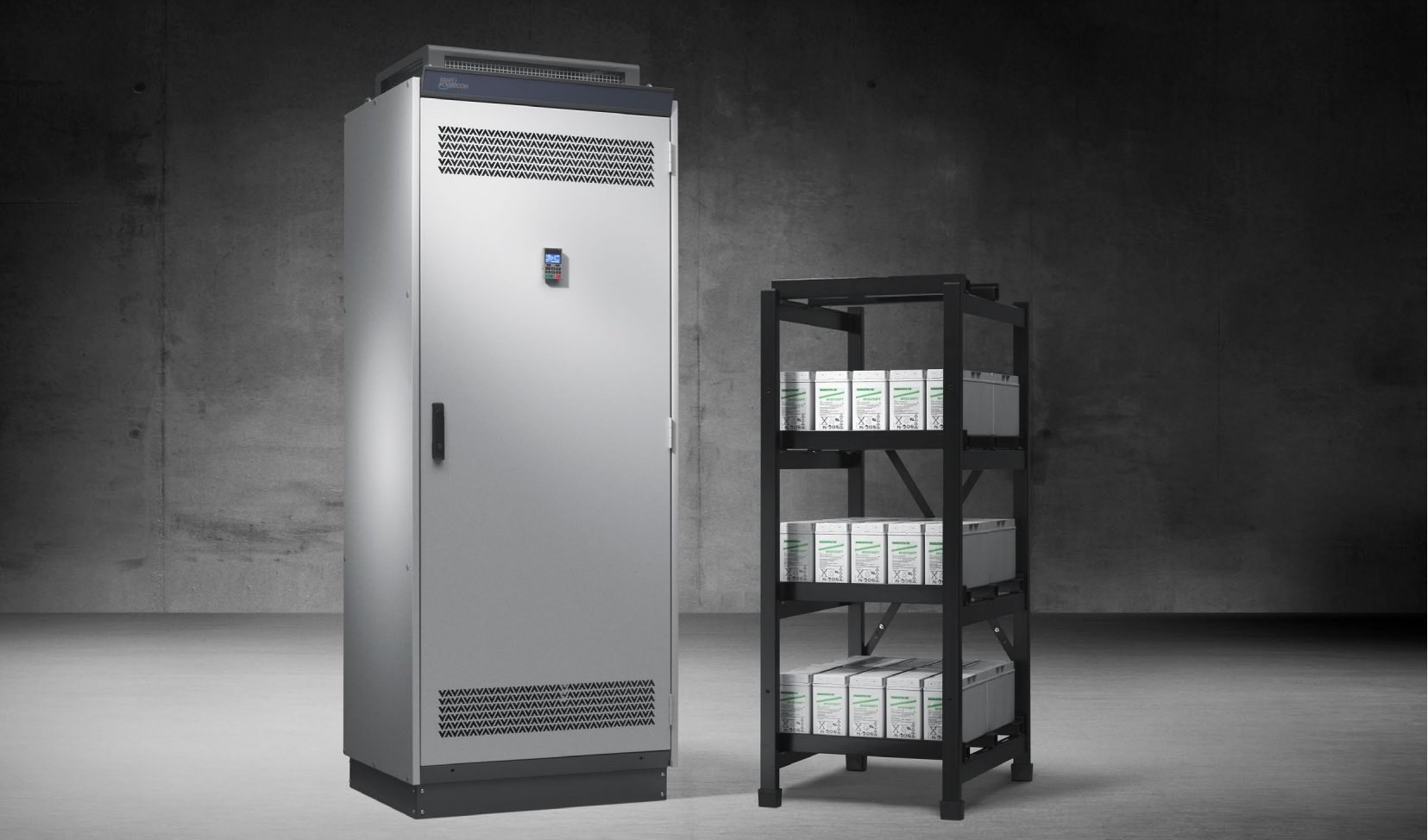
SmartKraft for PCB launched the same year — the platform spread from plating tanks to printed-circuit-board manufacturing.
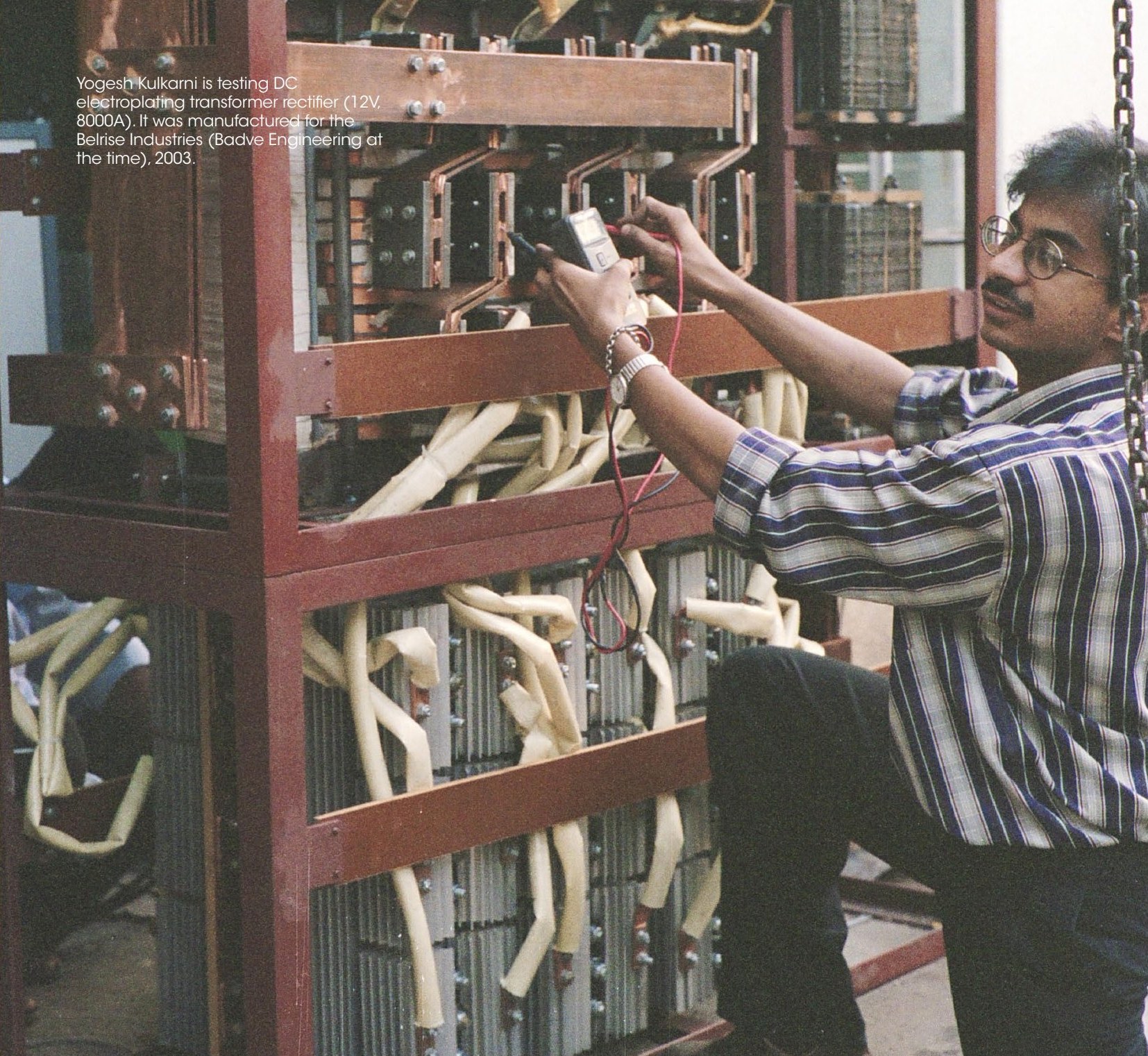
12V · 8000A — for Belrise (then Badve Engineering)
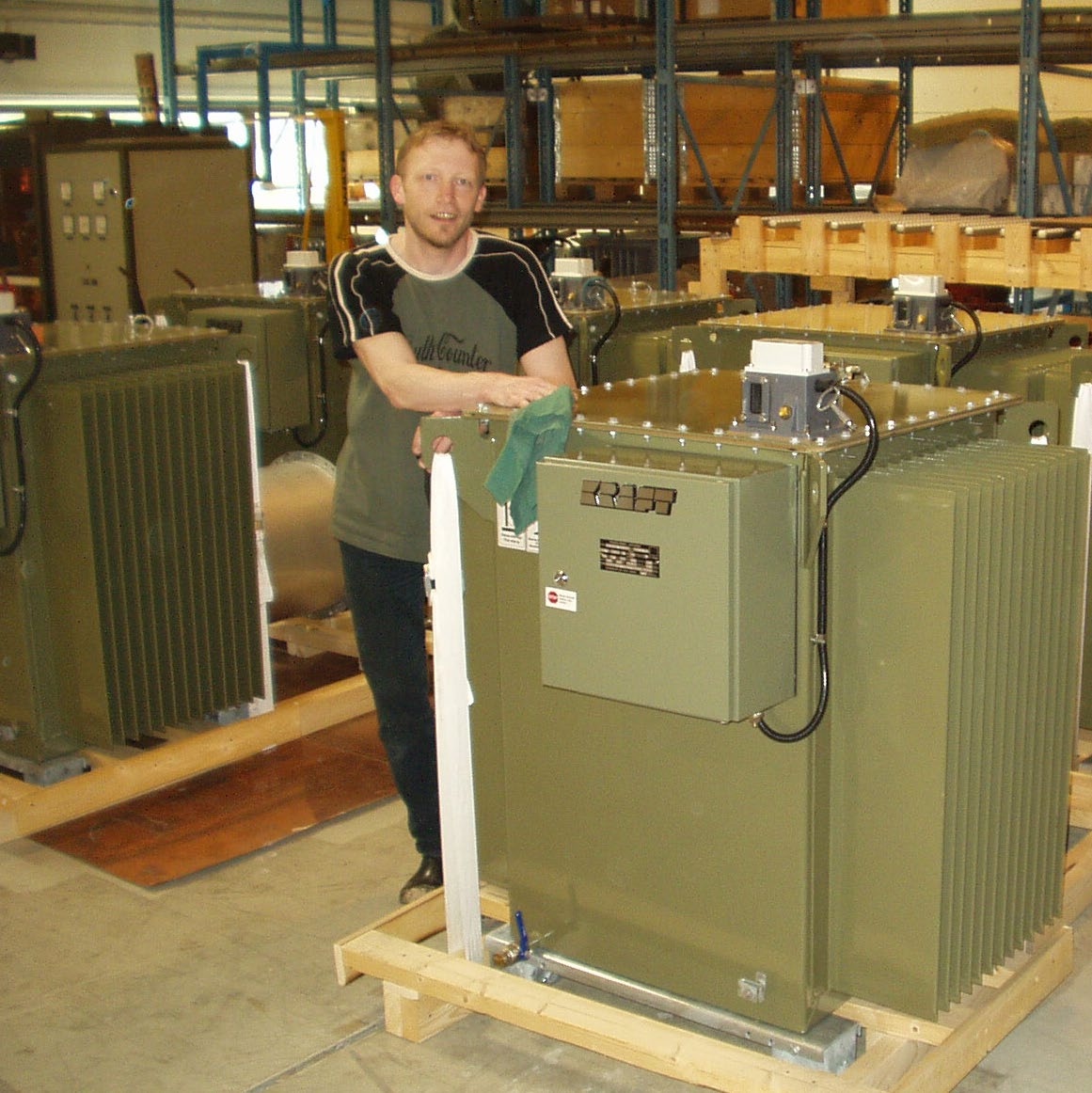
Yogesh Kulkarni testing a DC electroplating transformer-rectifier built for Belrise Industries — one of the early large-current deliveries that anchored the Indian customer base.
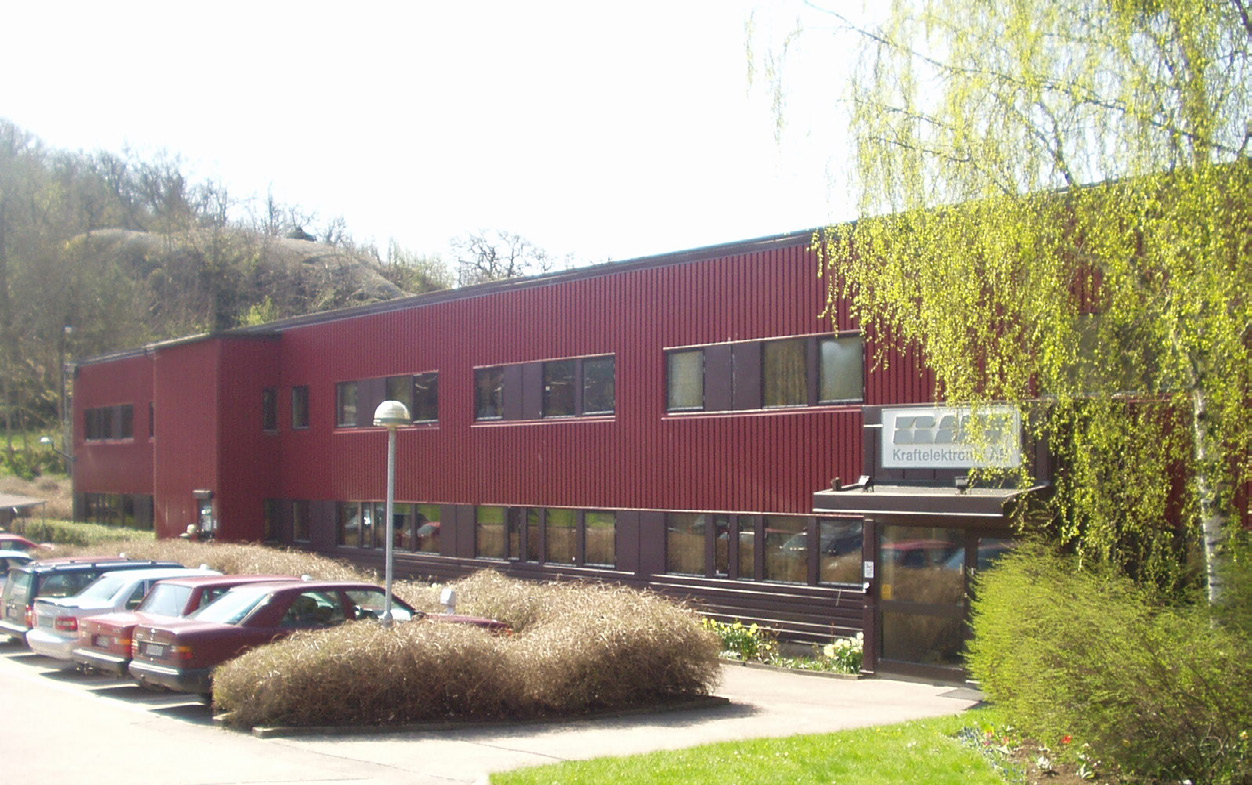
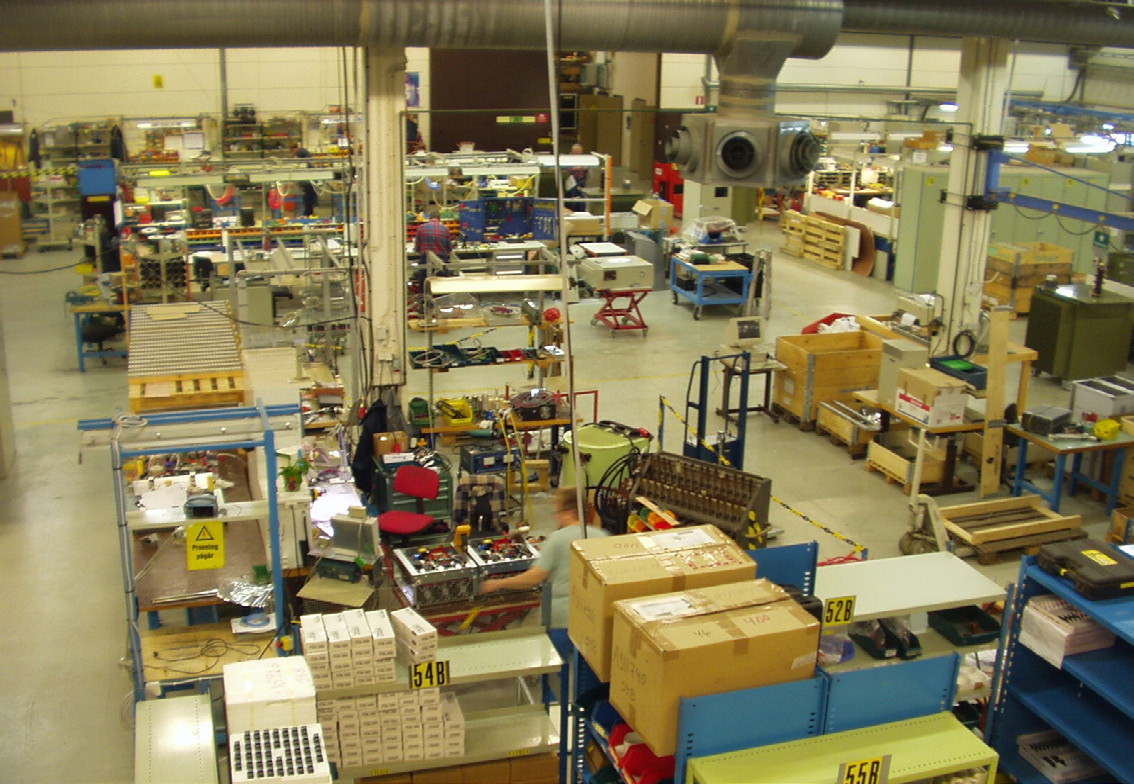
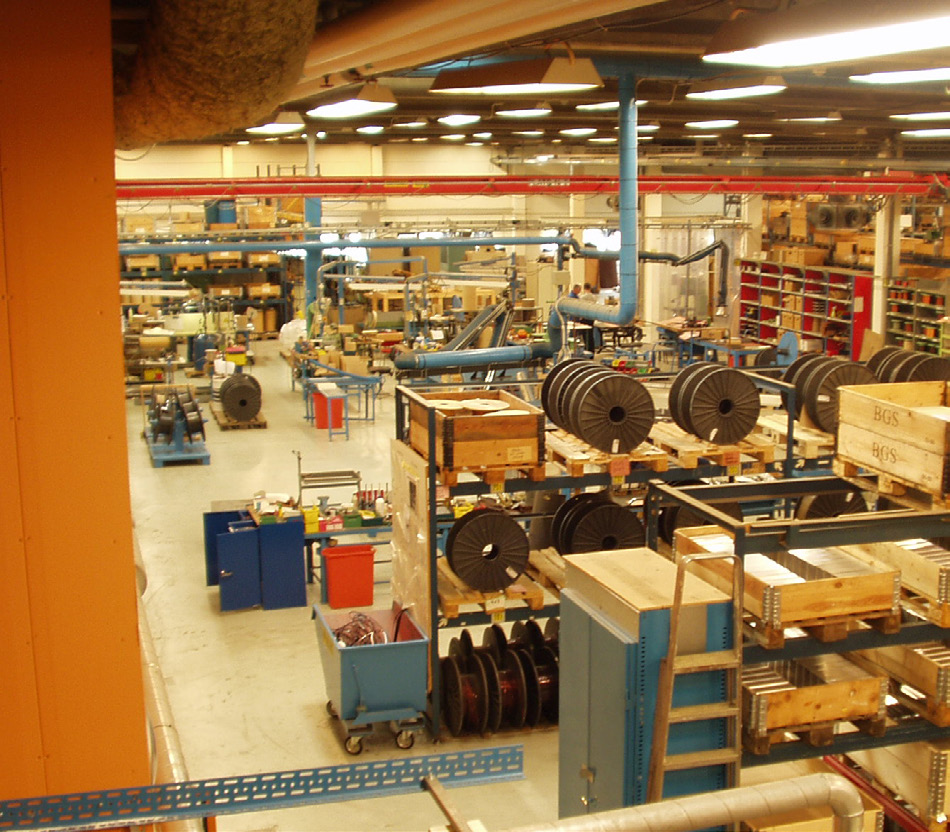
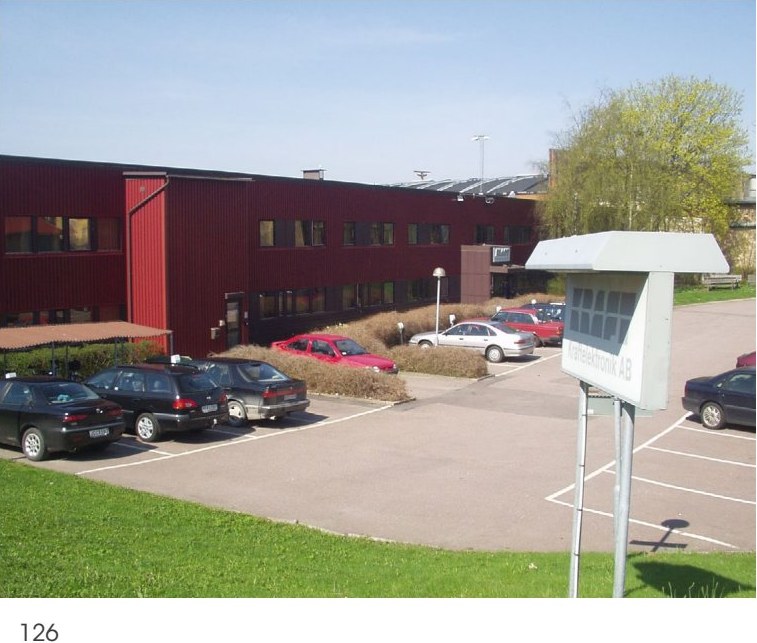
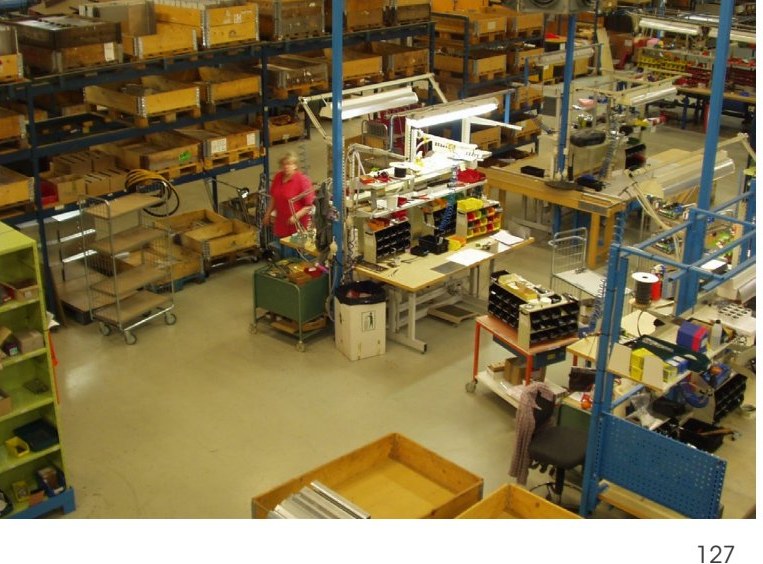
The works, inside and out.
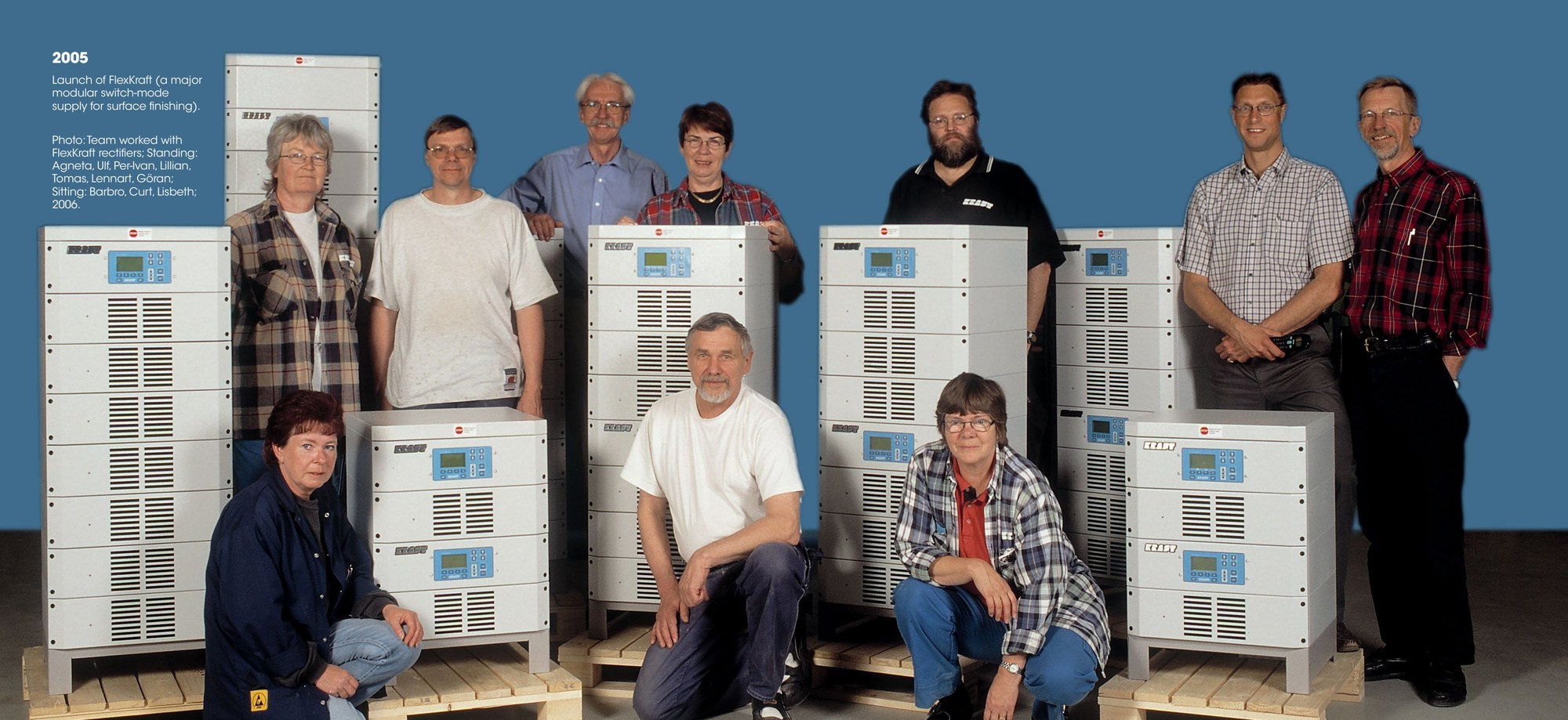
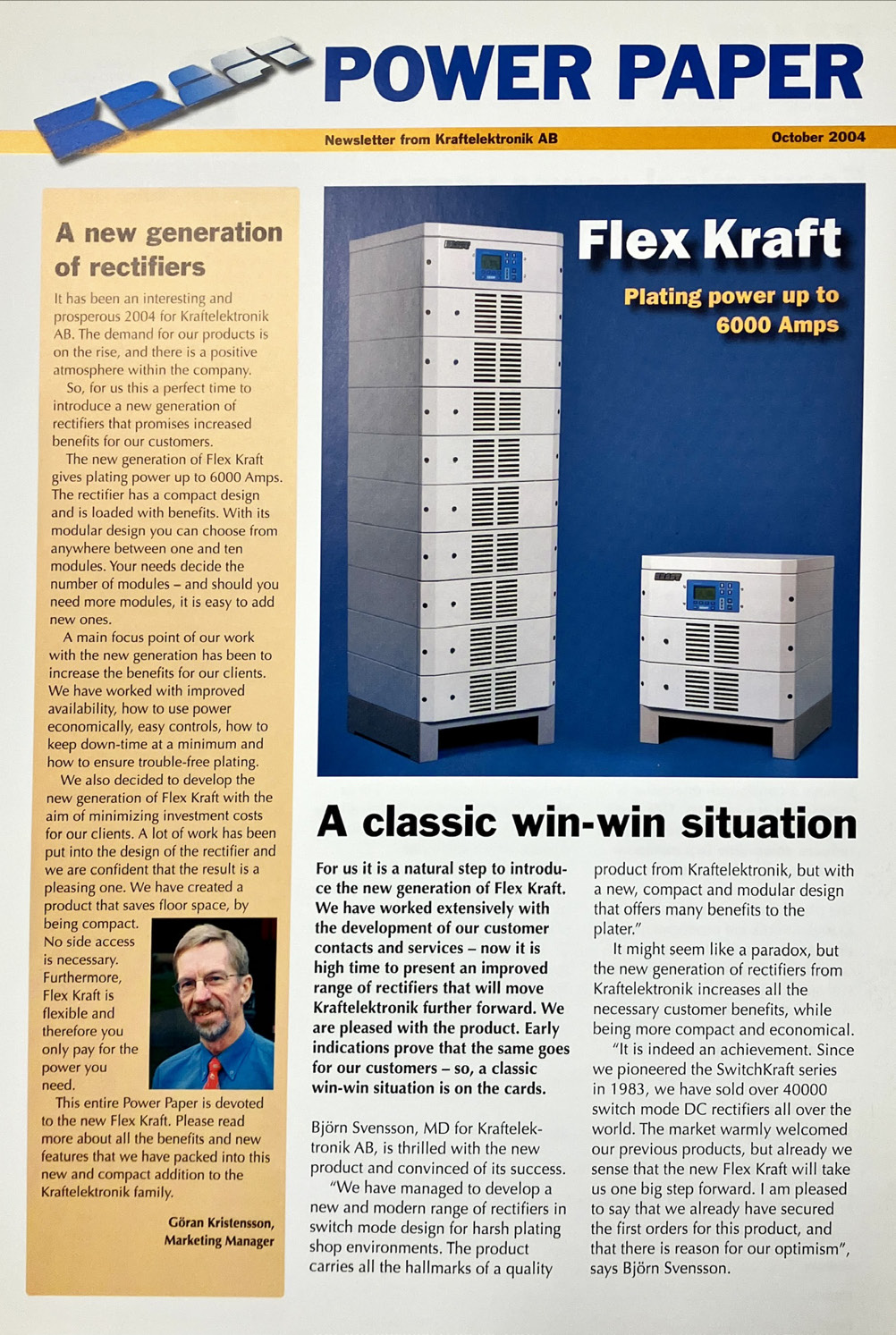
FlexKraft — the modular idea, made real
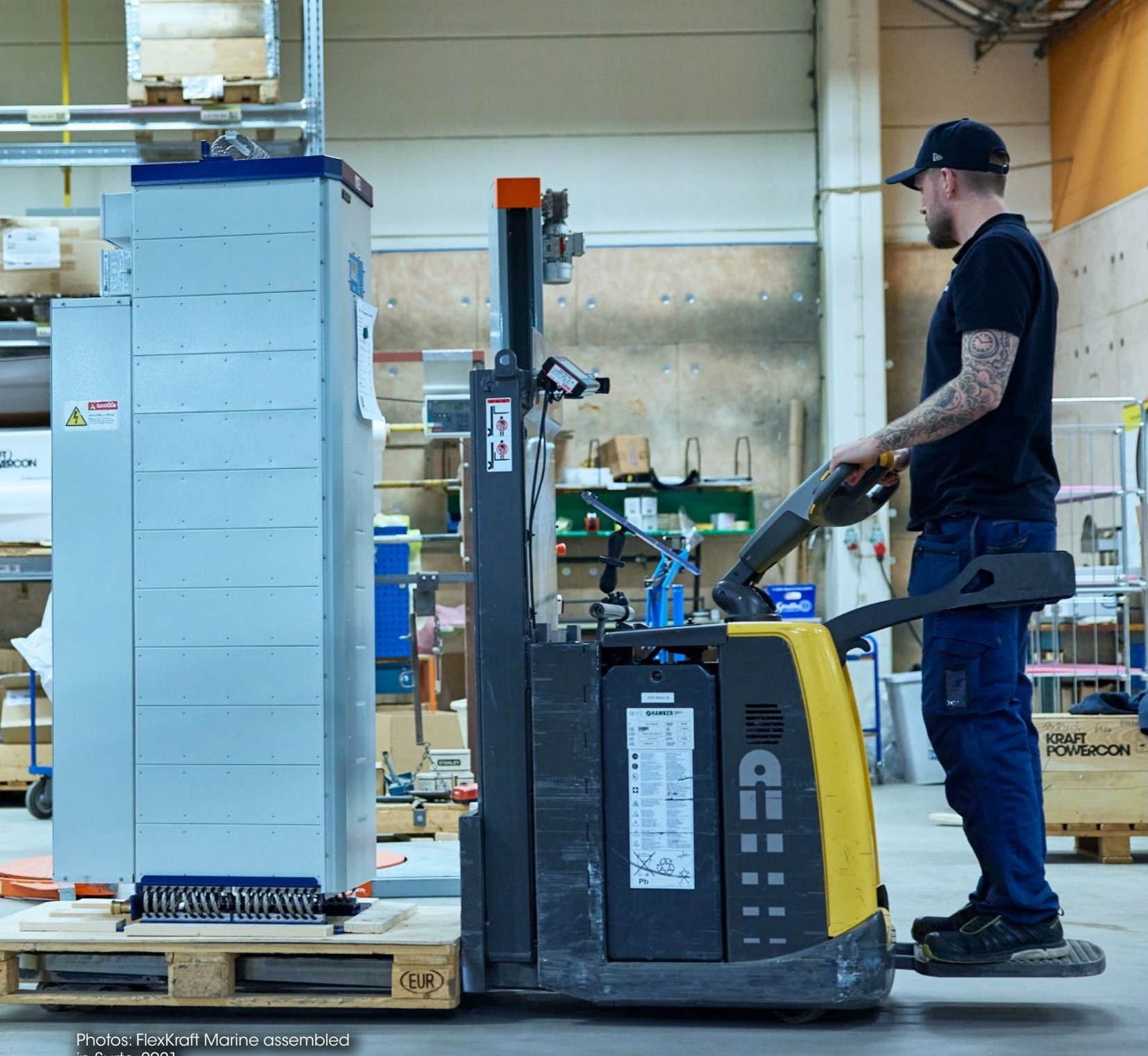
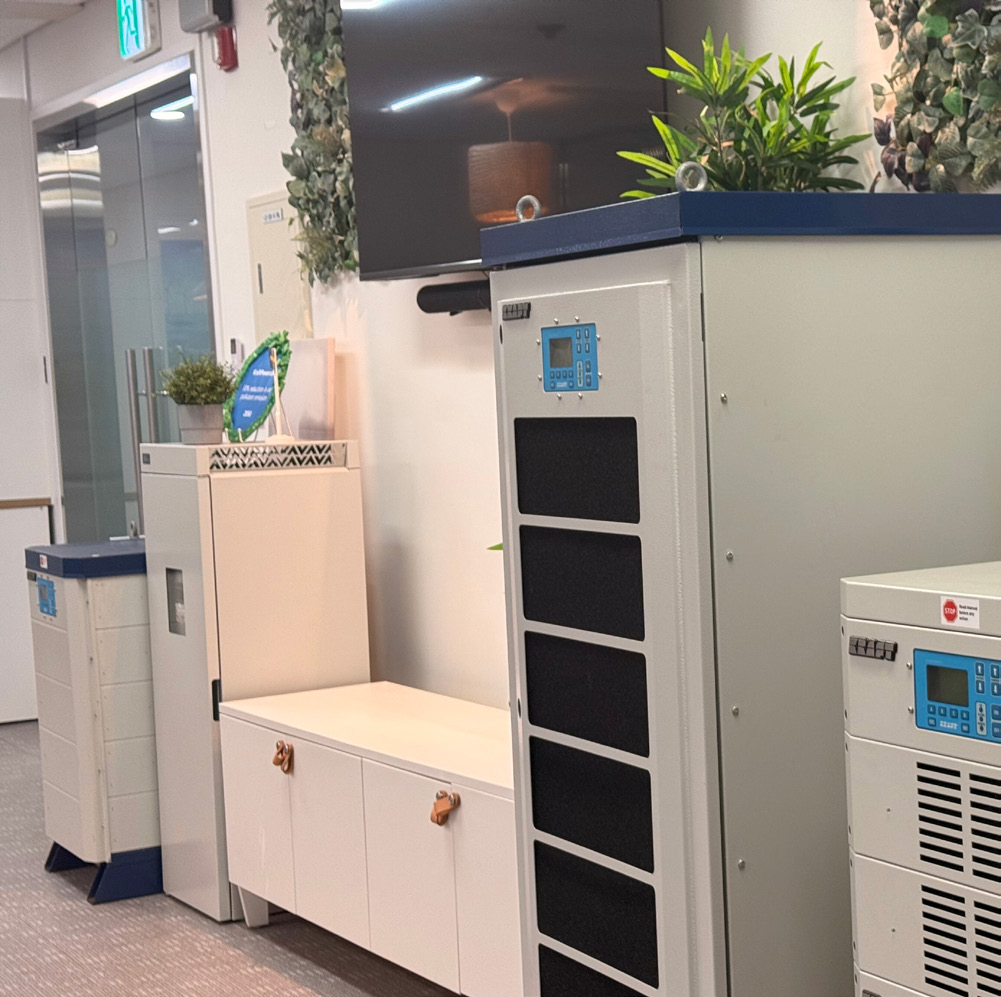
A configurable, modular DC rectifier family that would eventually sell in thousands of units across surface finishing, marine ballast-water treatment and anodising — the company's most successful single product line.
Pune, Shanghai, Atlanta
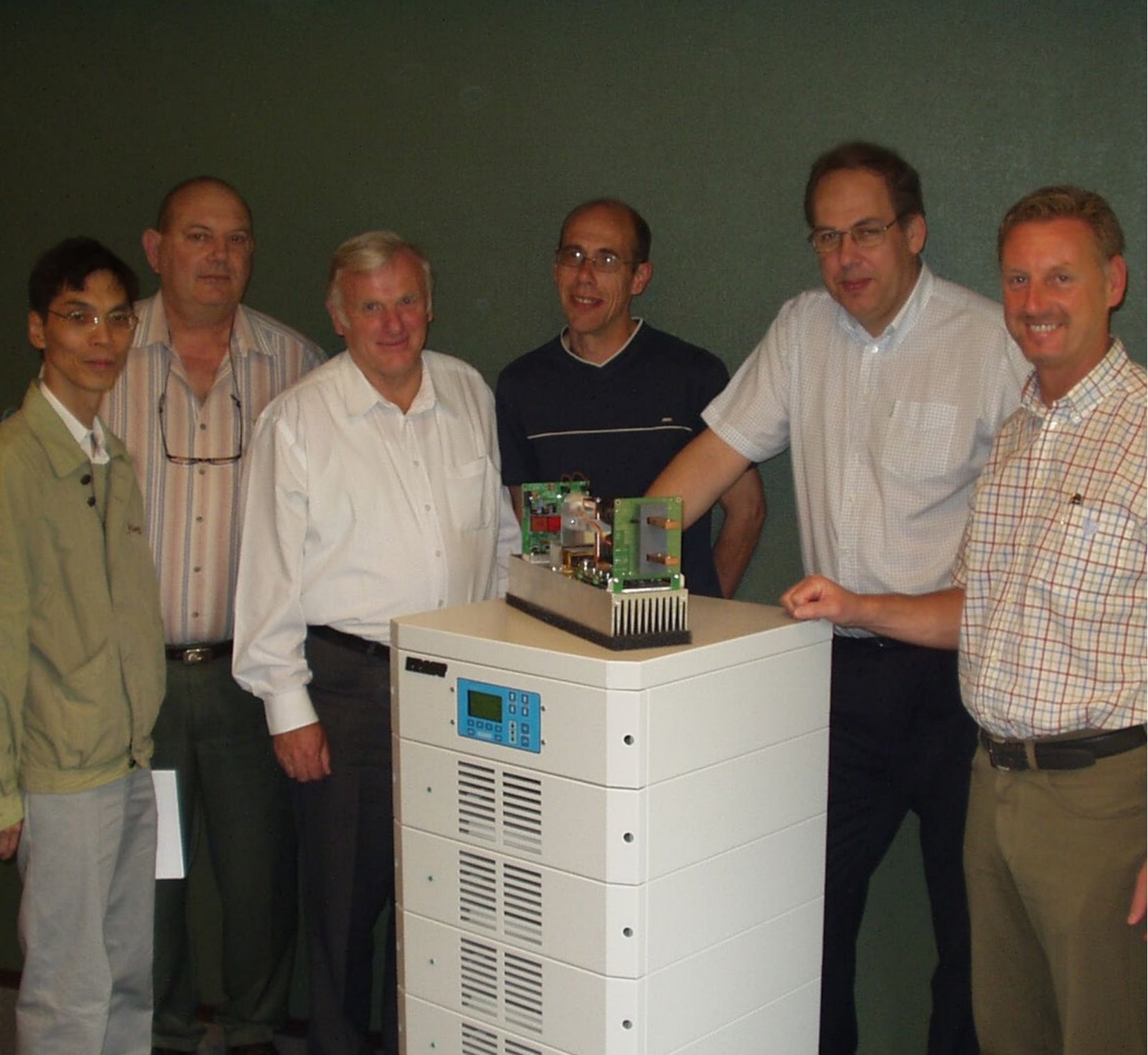
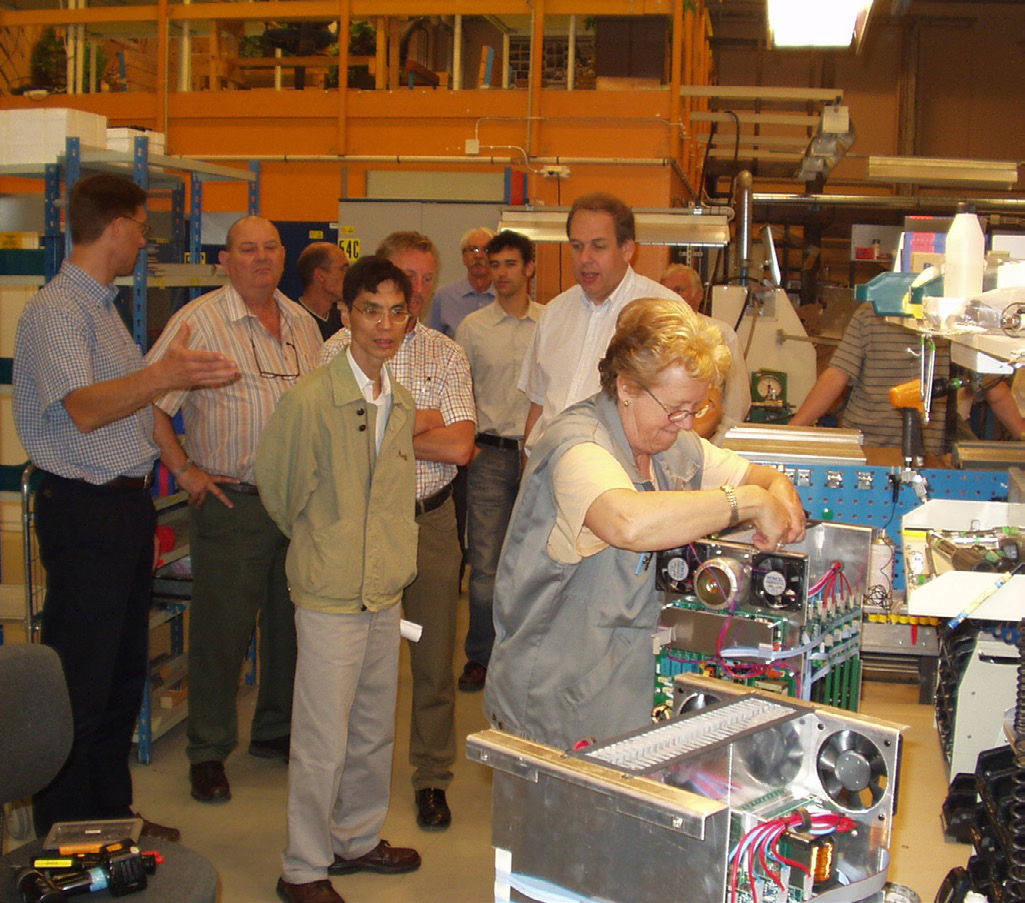
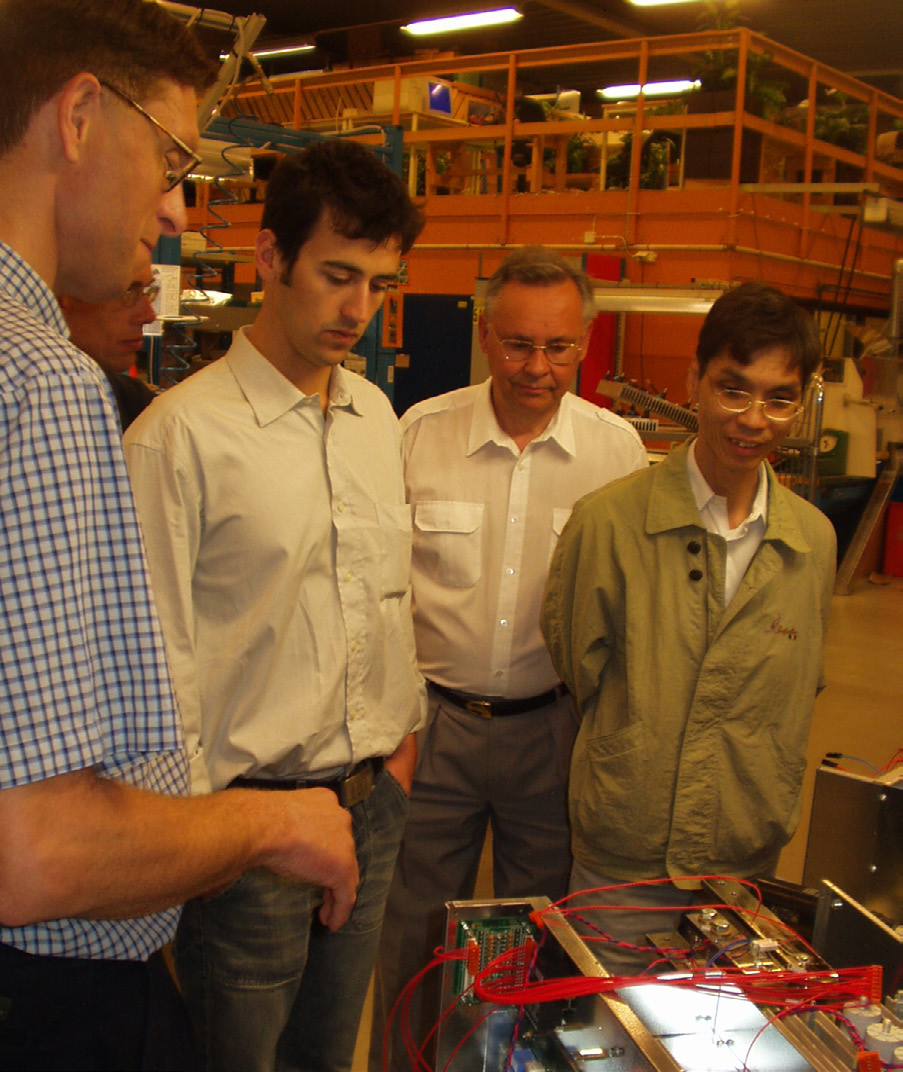
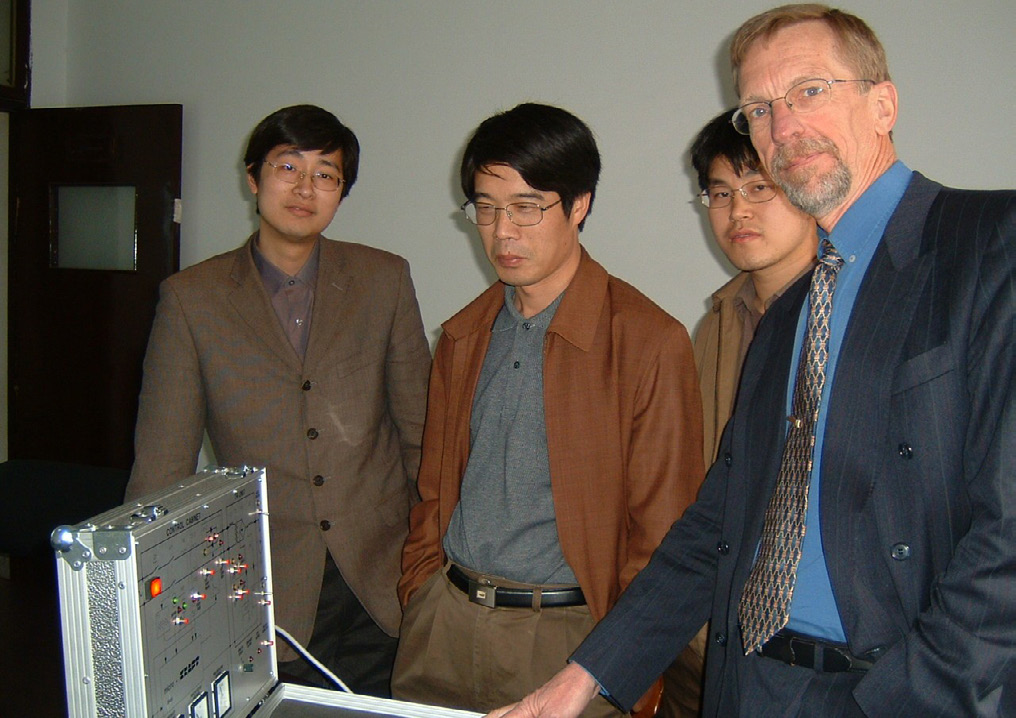
Shanghai — a warehouse of cabinets
The Shanghai operation scaled production for the Chinese surface finishing and steel-plating industries — Kraft cabinets shipping from a Chinese warehouse for the first time.
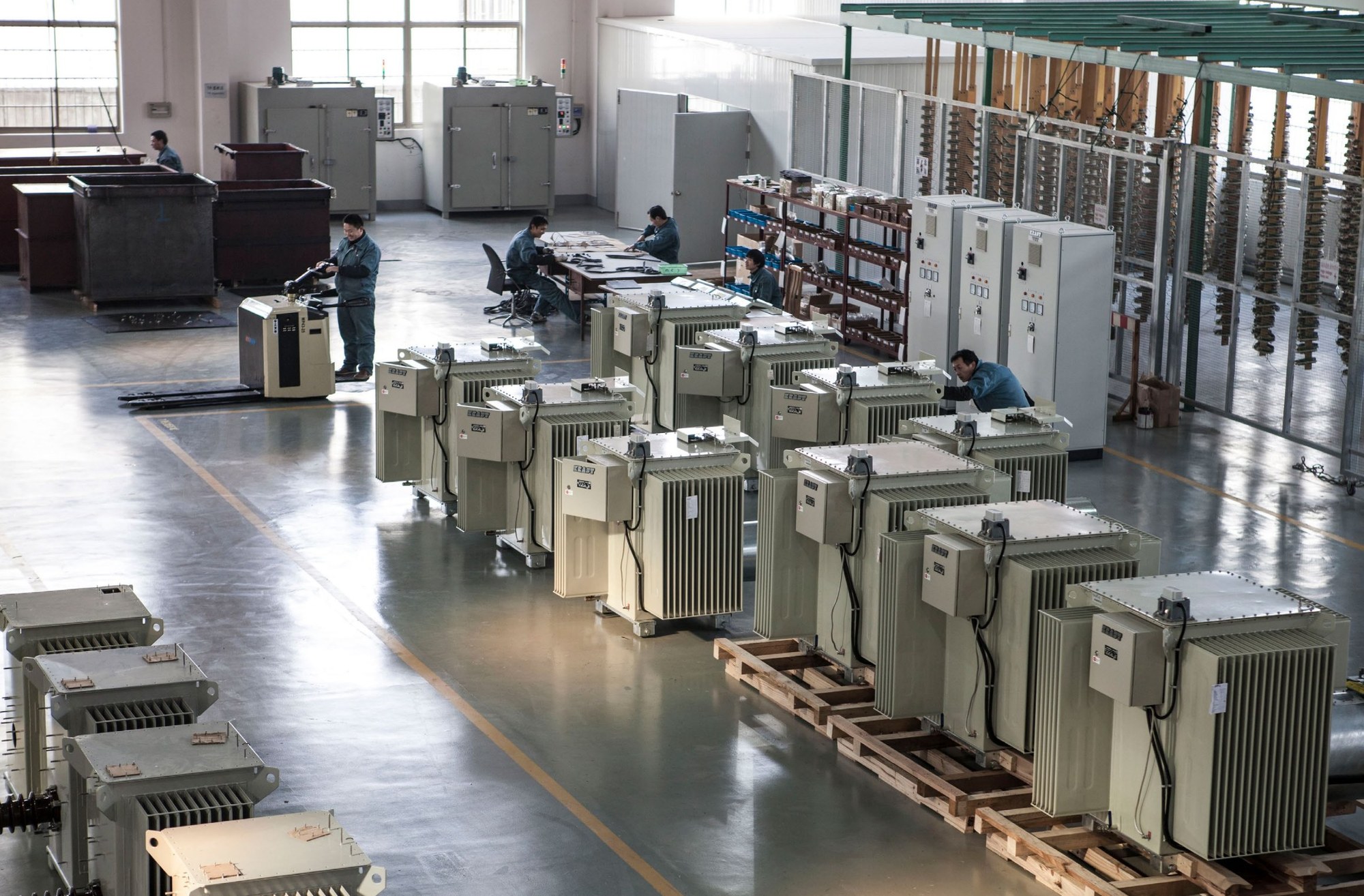
A converter for hydrogen
A water-cooled MW-class converter for an early electrolyser plant — the first hydrogen project of what would become a strategic business unit.
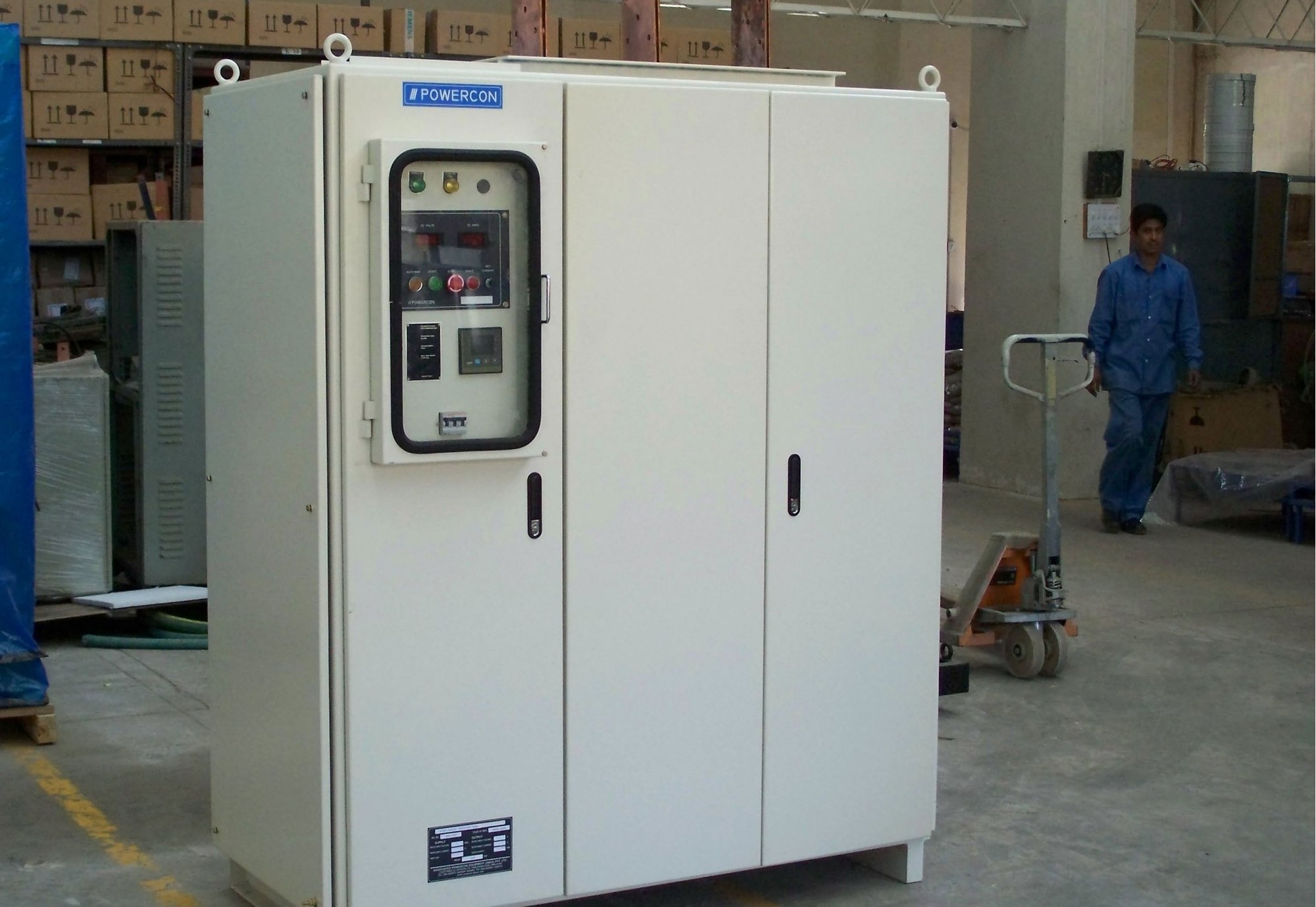
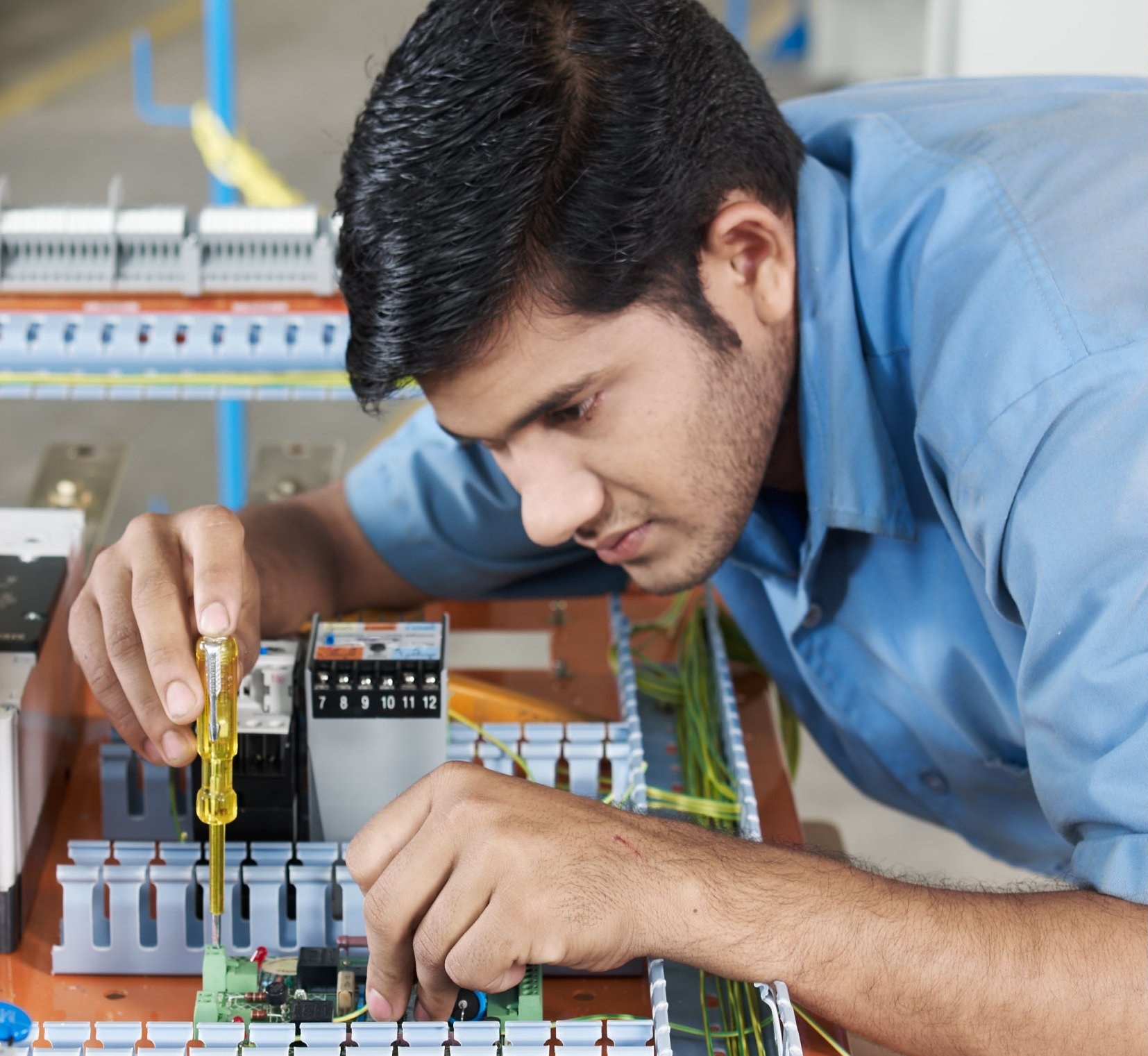
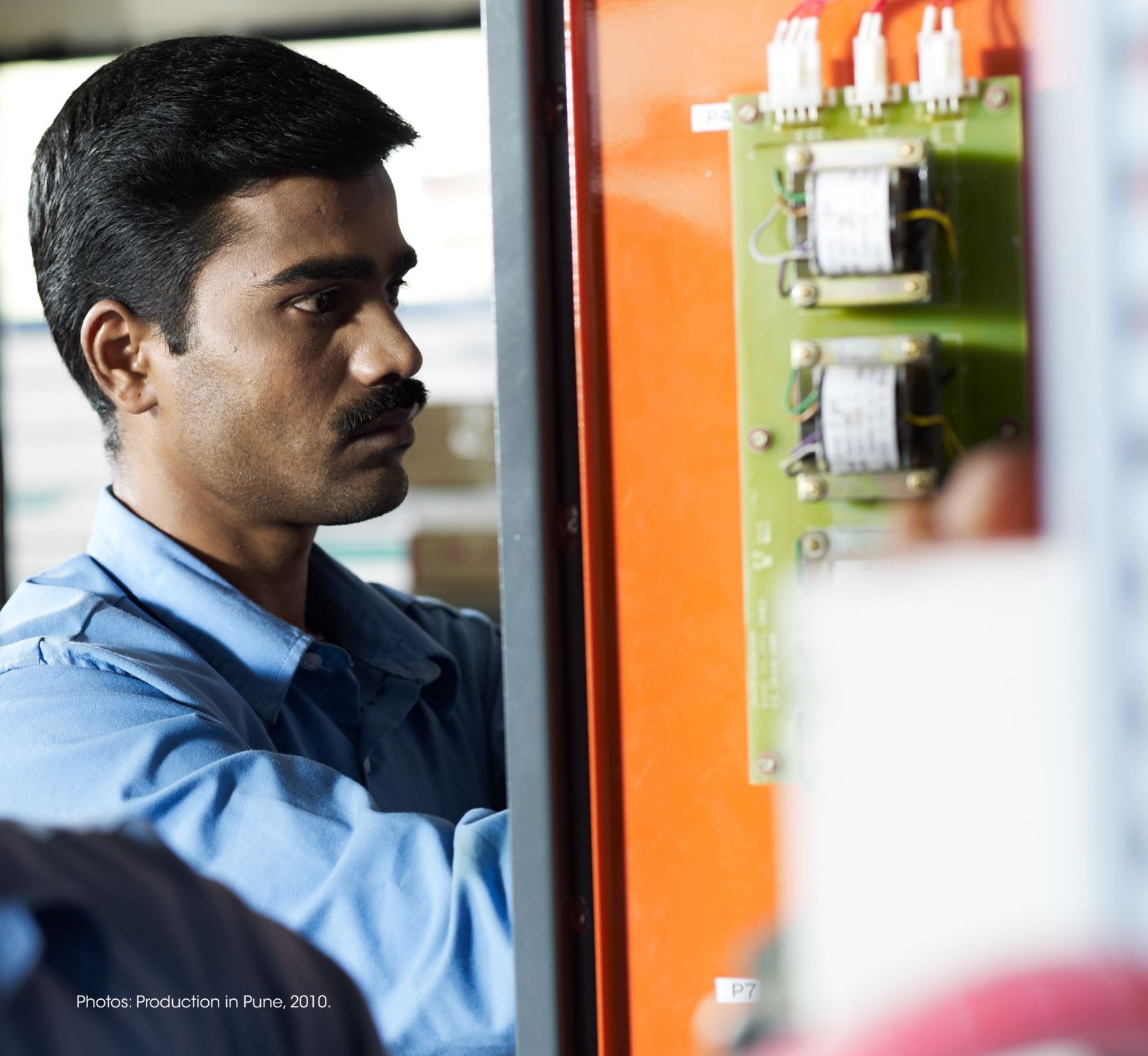
A new plant for the subcontinent.
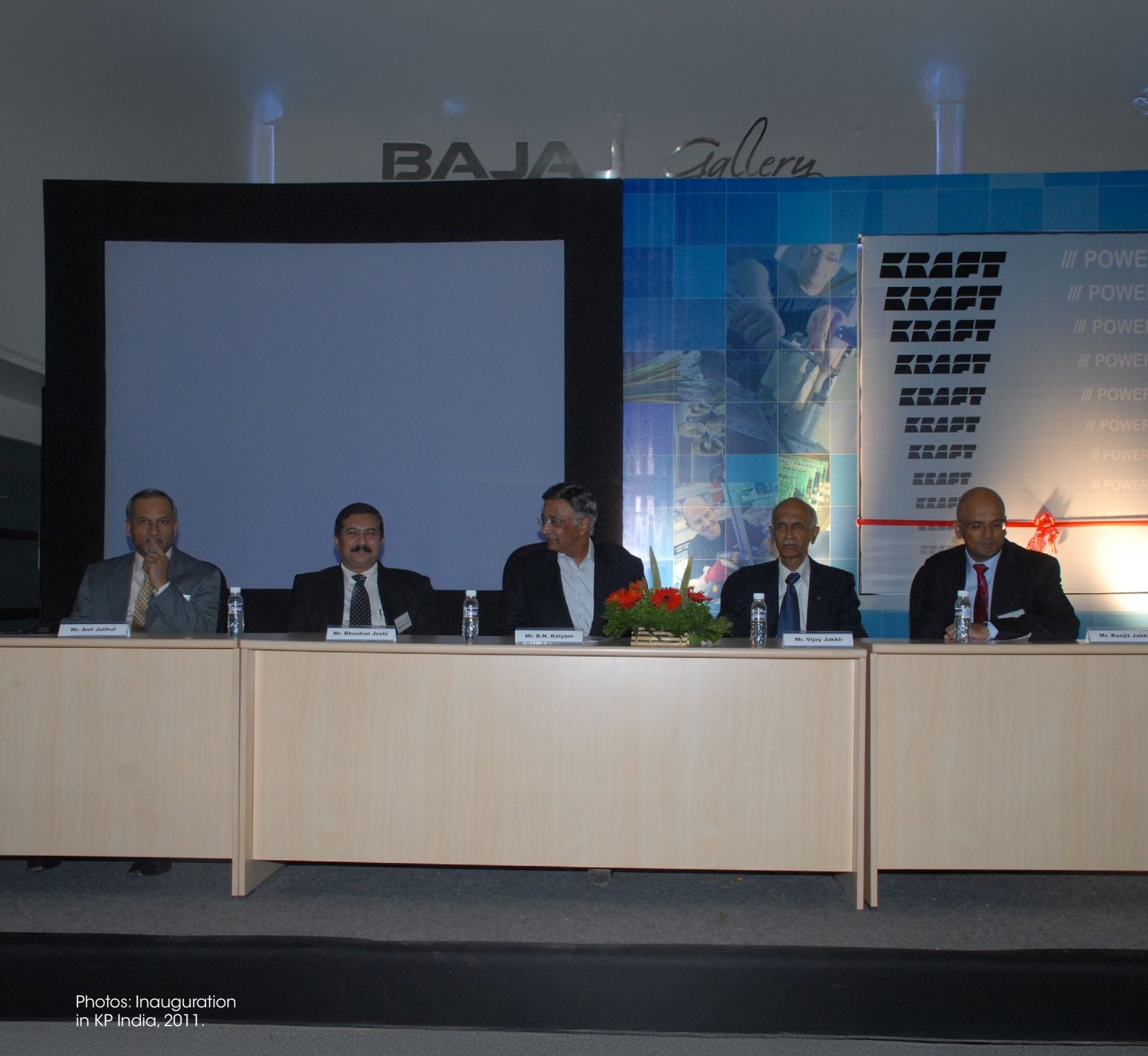
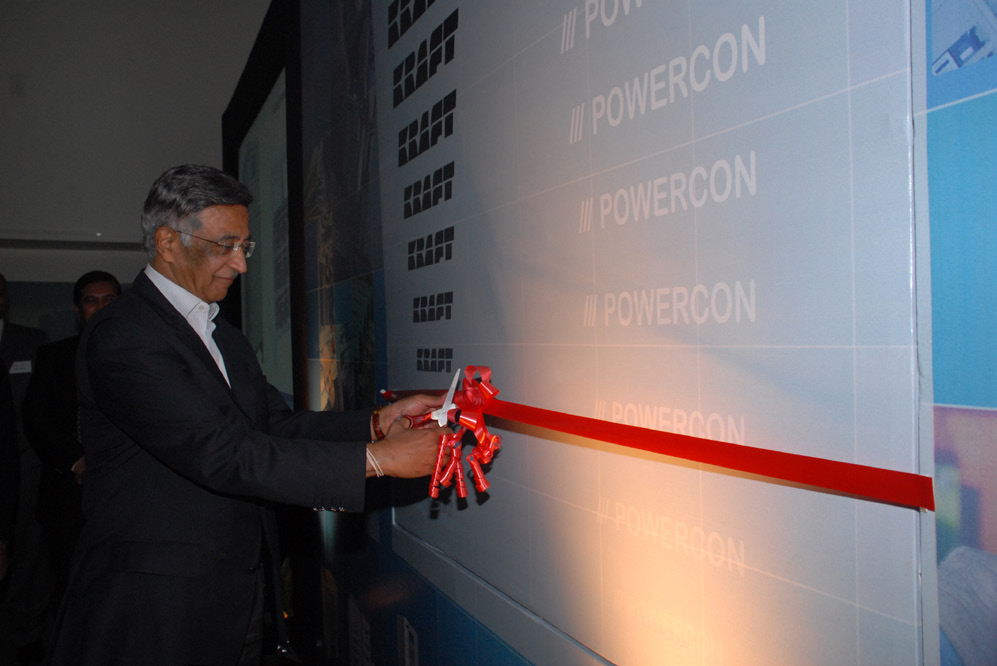
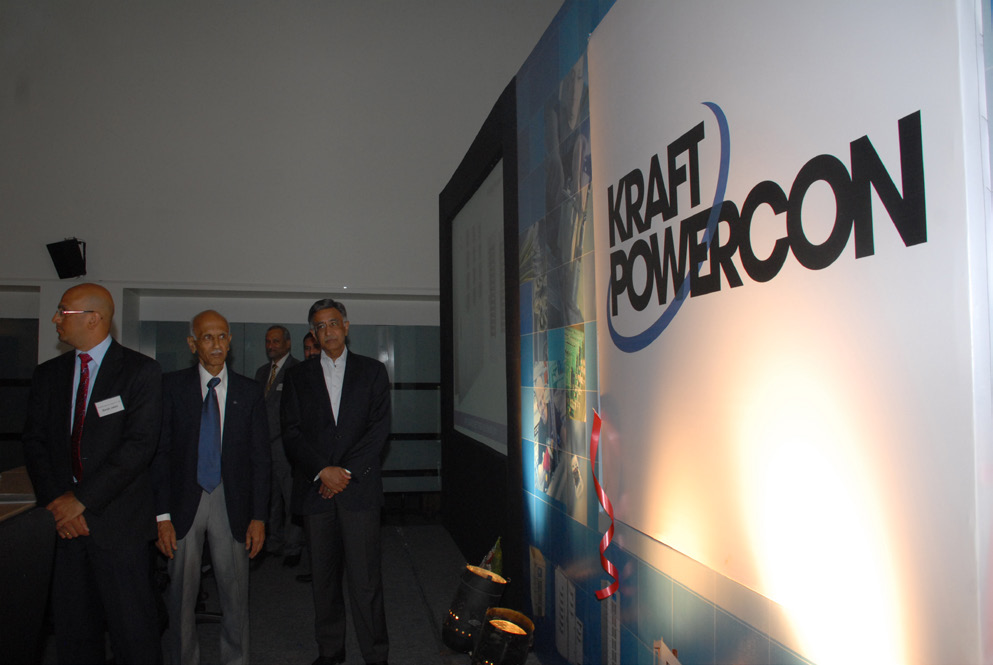
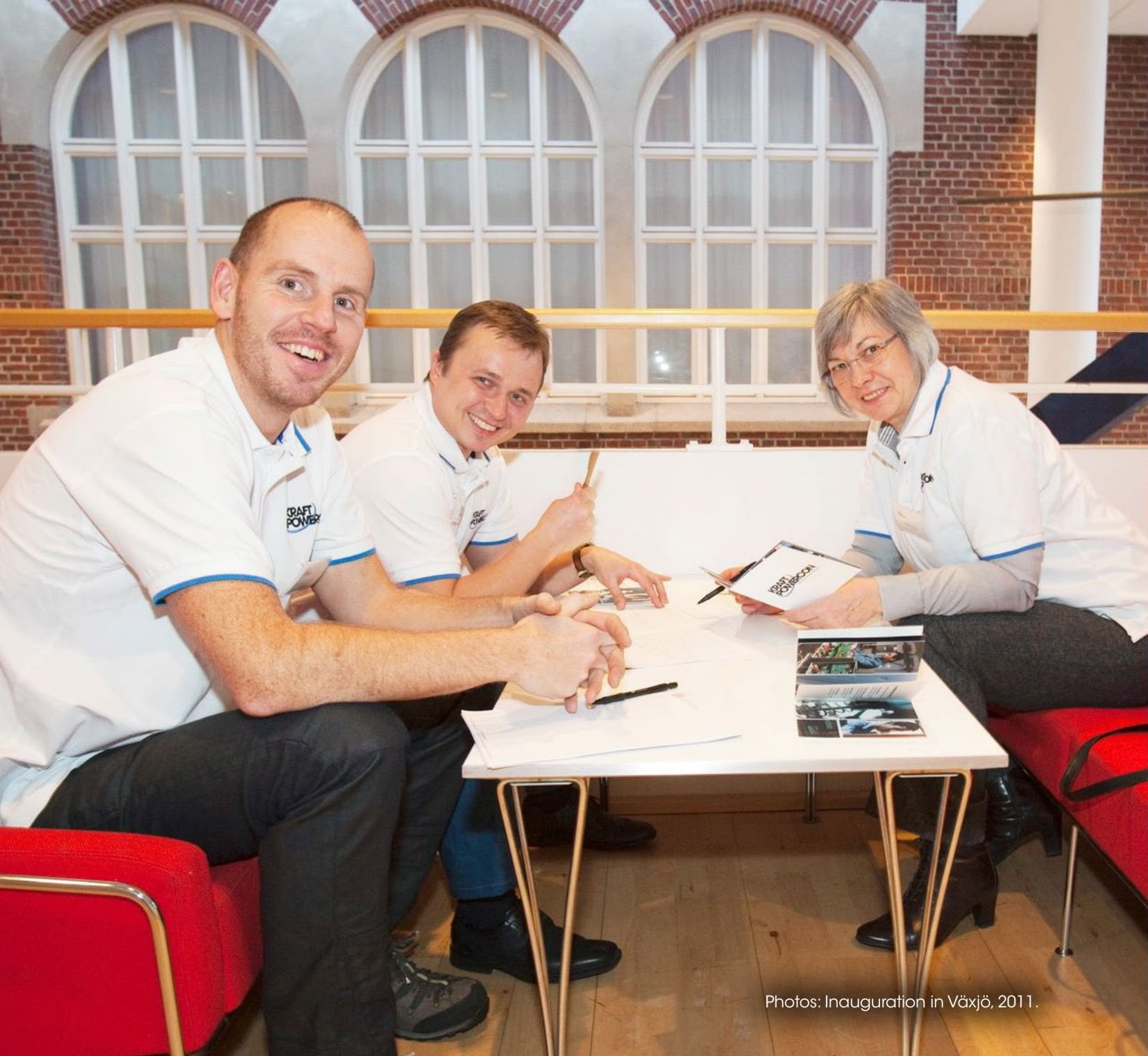
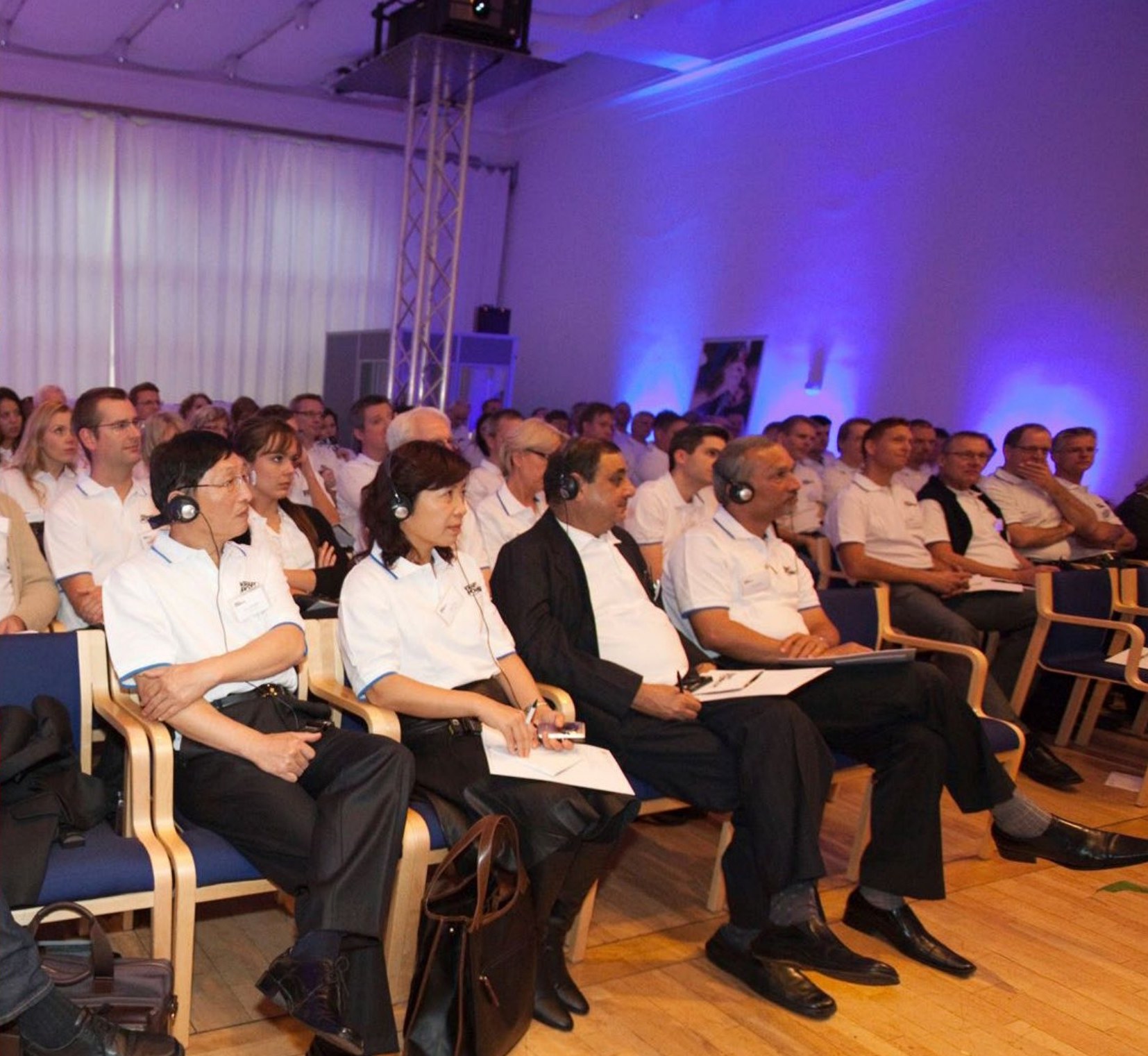
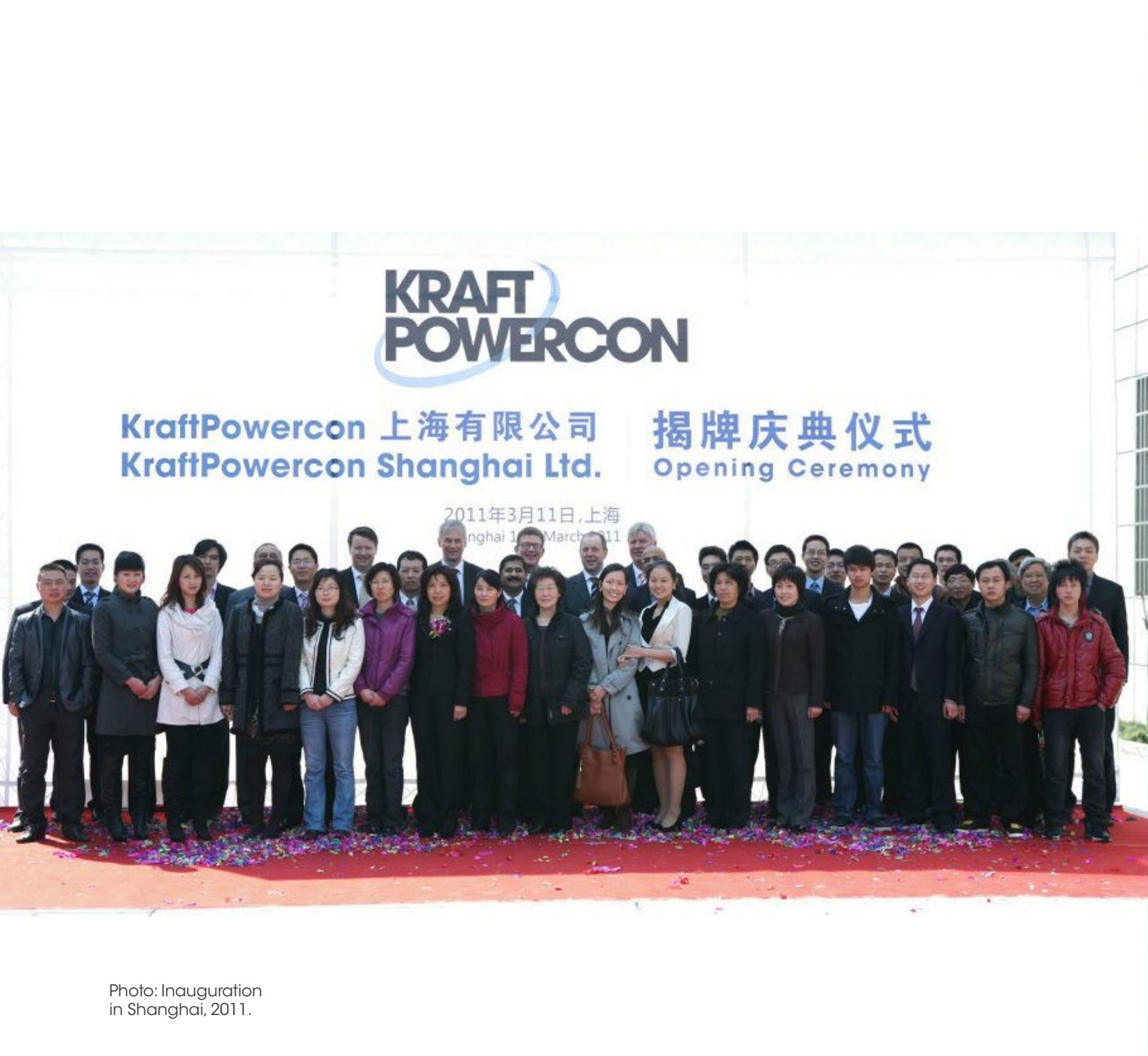
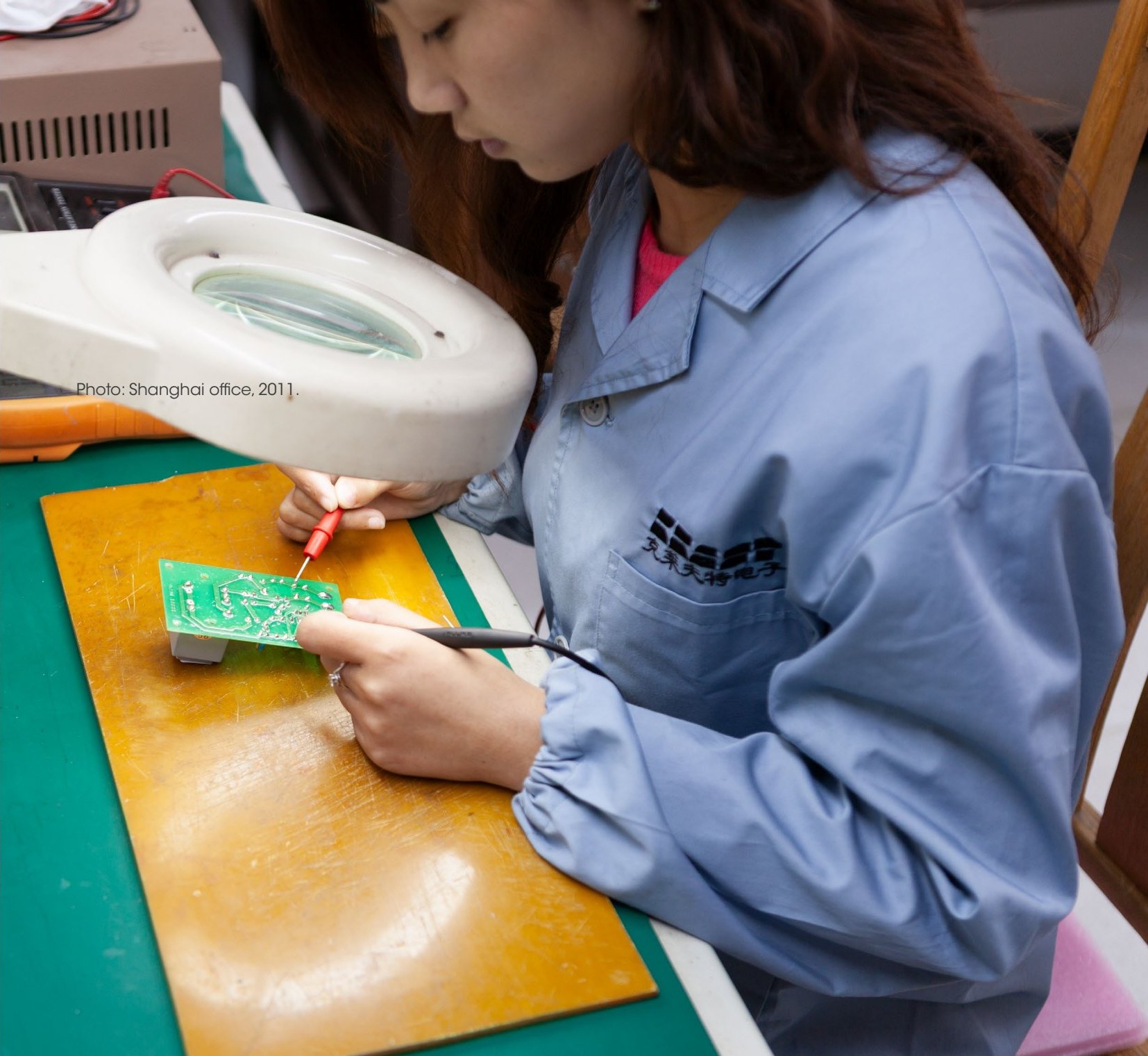
KraftPowercon Shanghai — opening ceremony
A formal opening with employees, partners and customers — and a new office floor where a worker is captured inspecting a circuit board under a magnifying lamp.
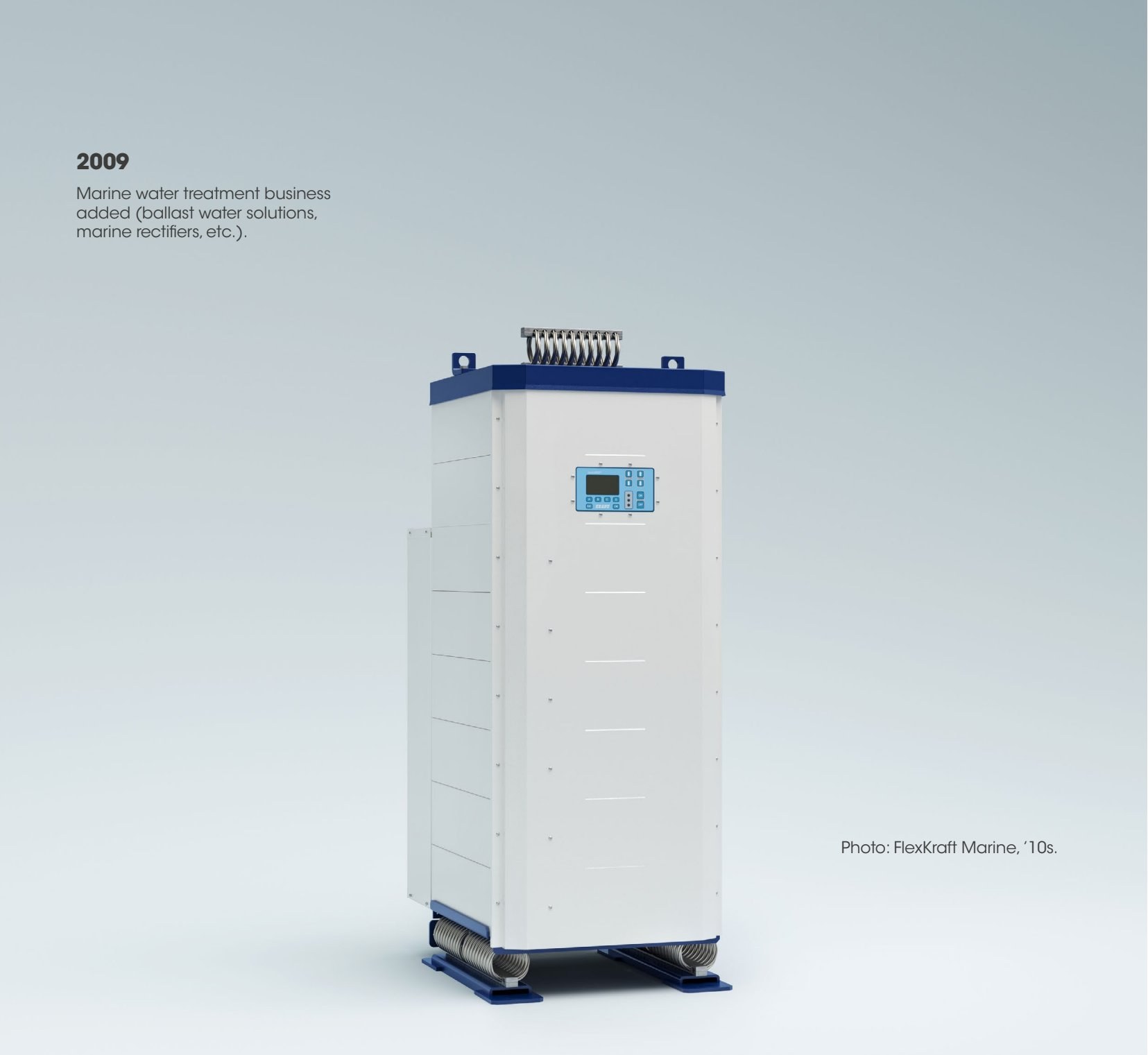
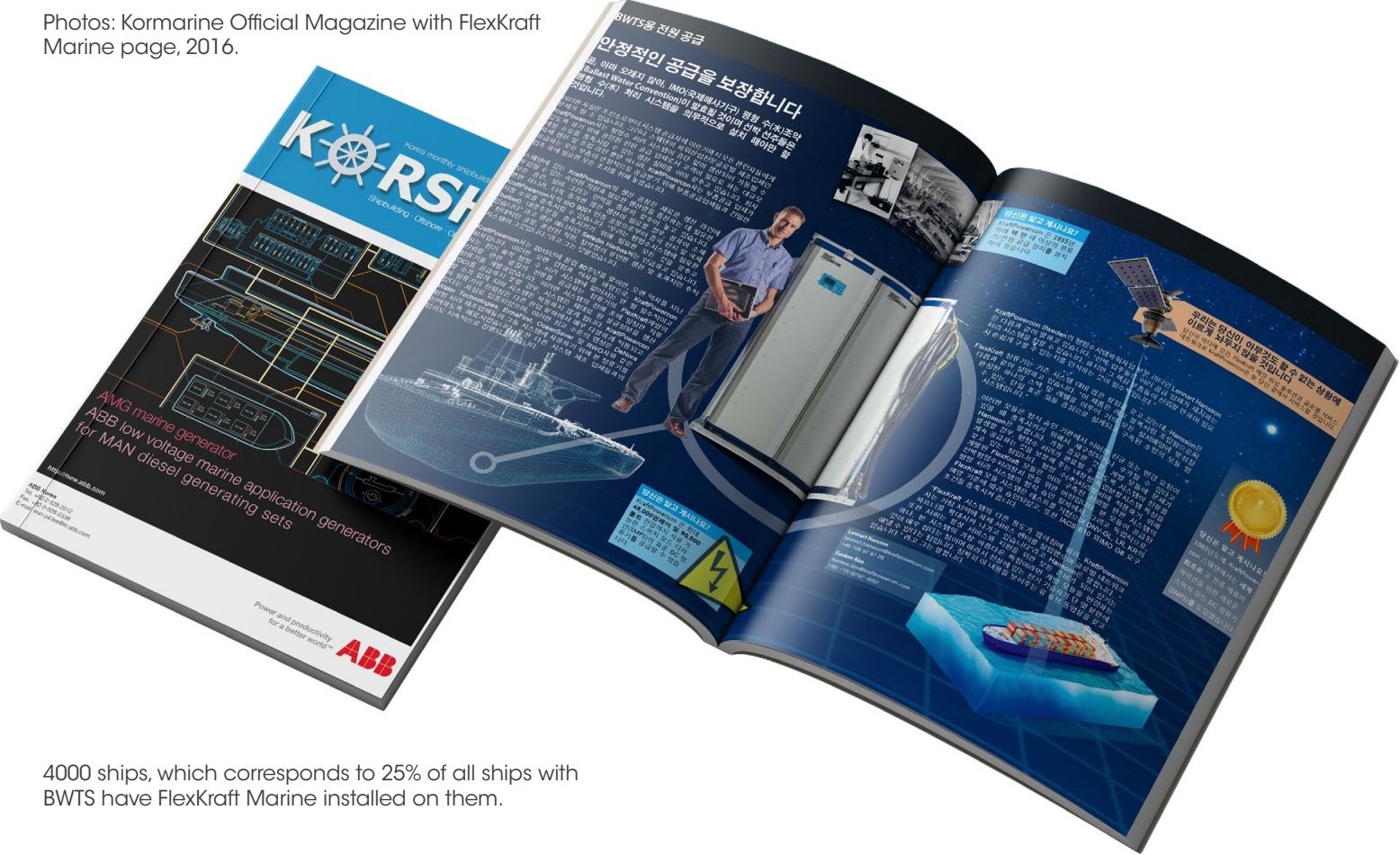
FlexKraft Marine — ballast water treatment
FlexKraft adapted for the marine environment: a compact DC source powering ballast-water treatment systems on commercial vessels.
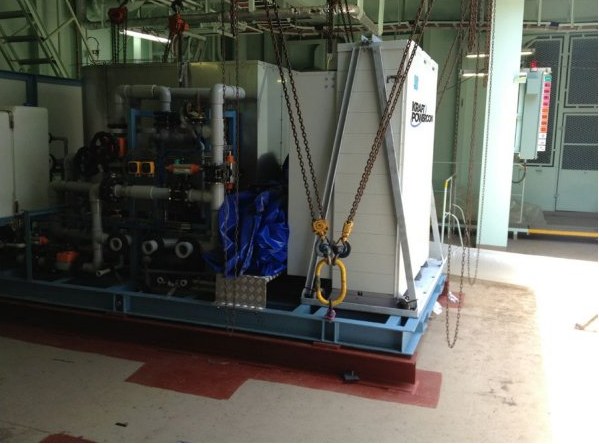
Three disciplines, one company.
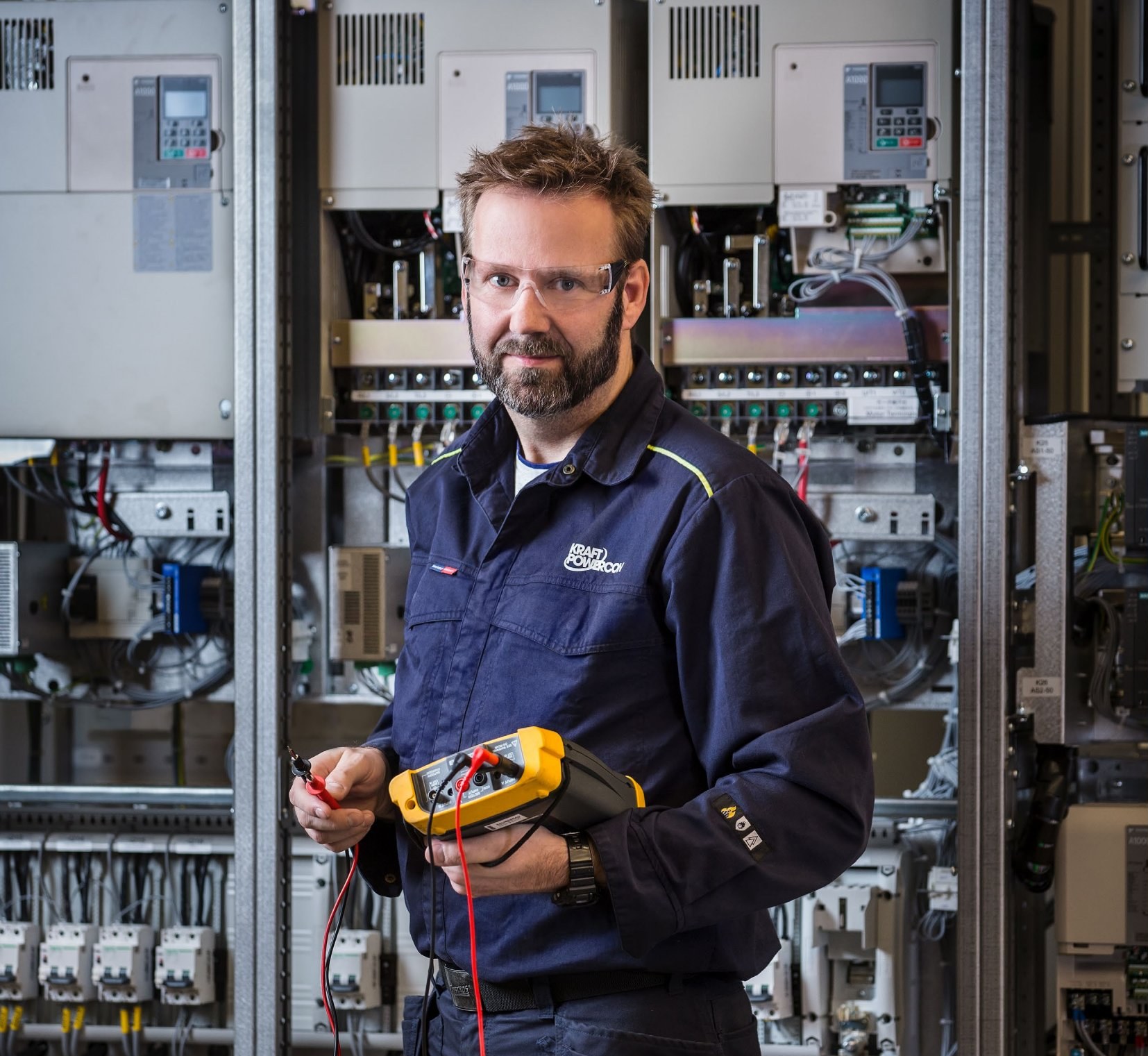
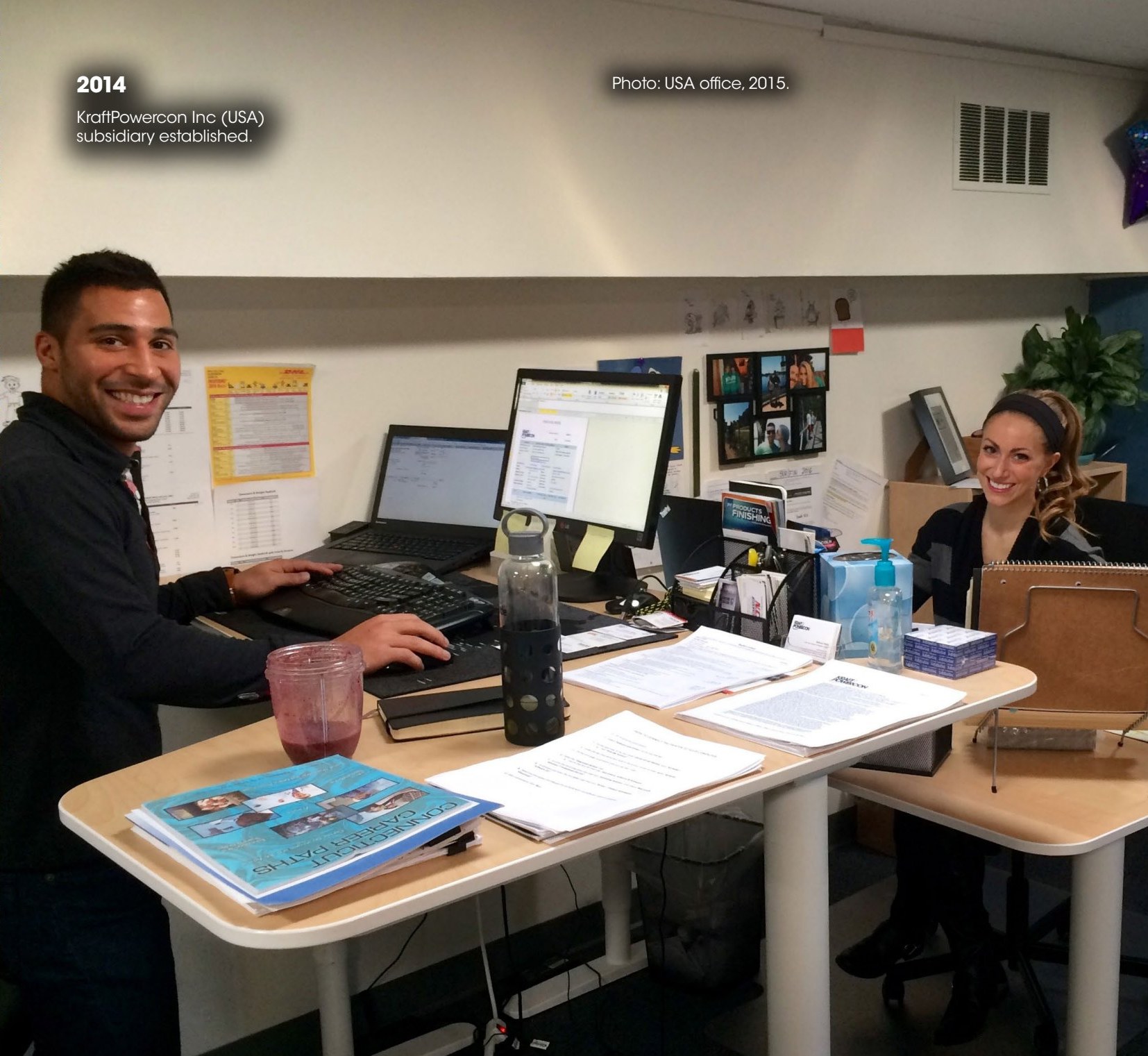
KraftPowercon Inc — United States
The U.S. subsidiary established a North American foothold for surface finishing and air pollution control customers.
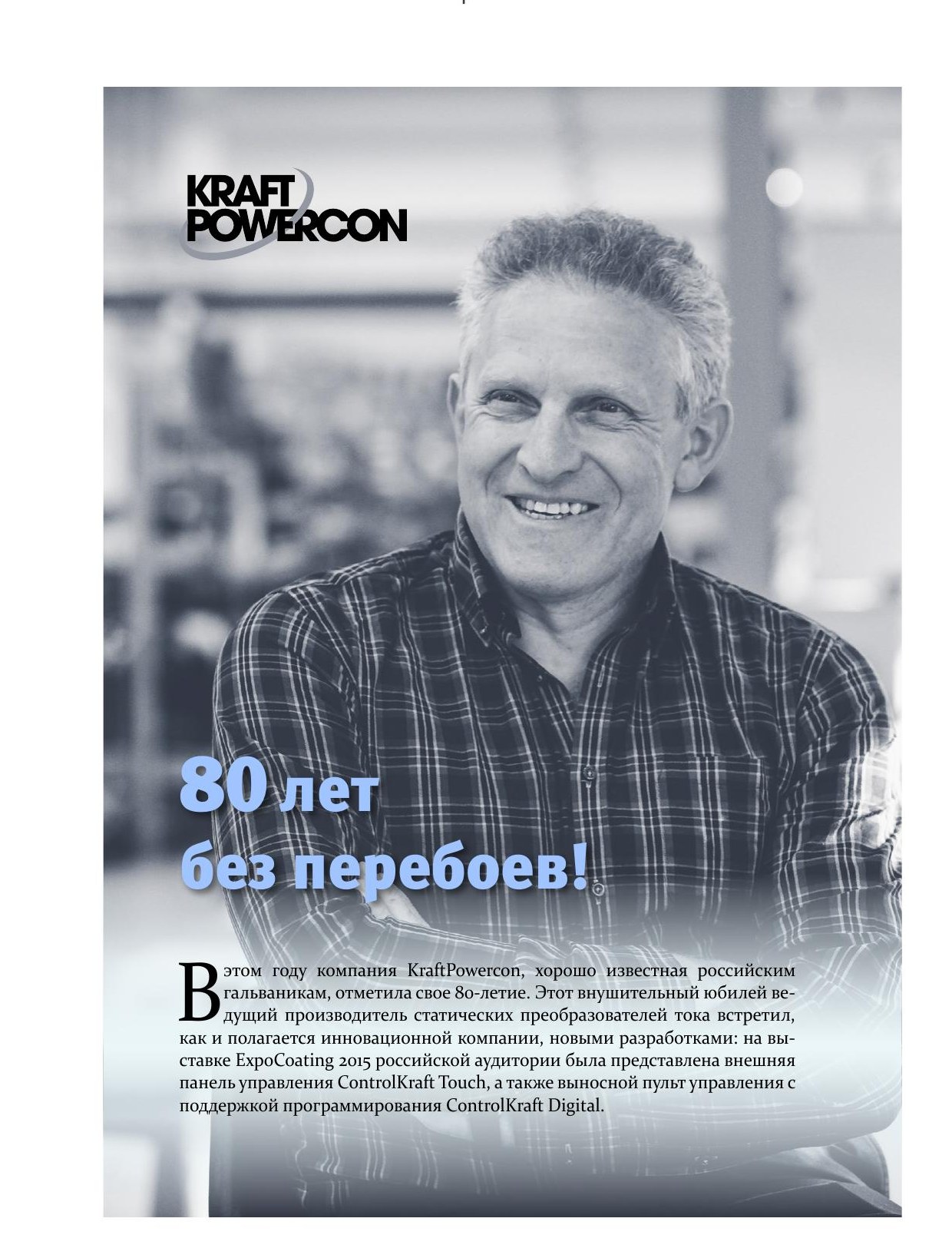
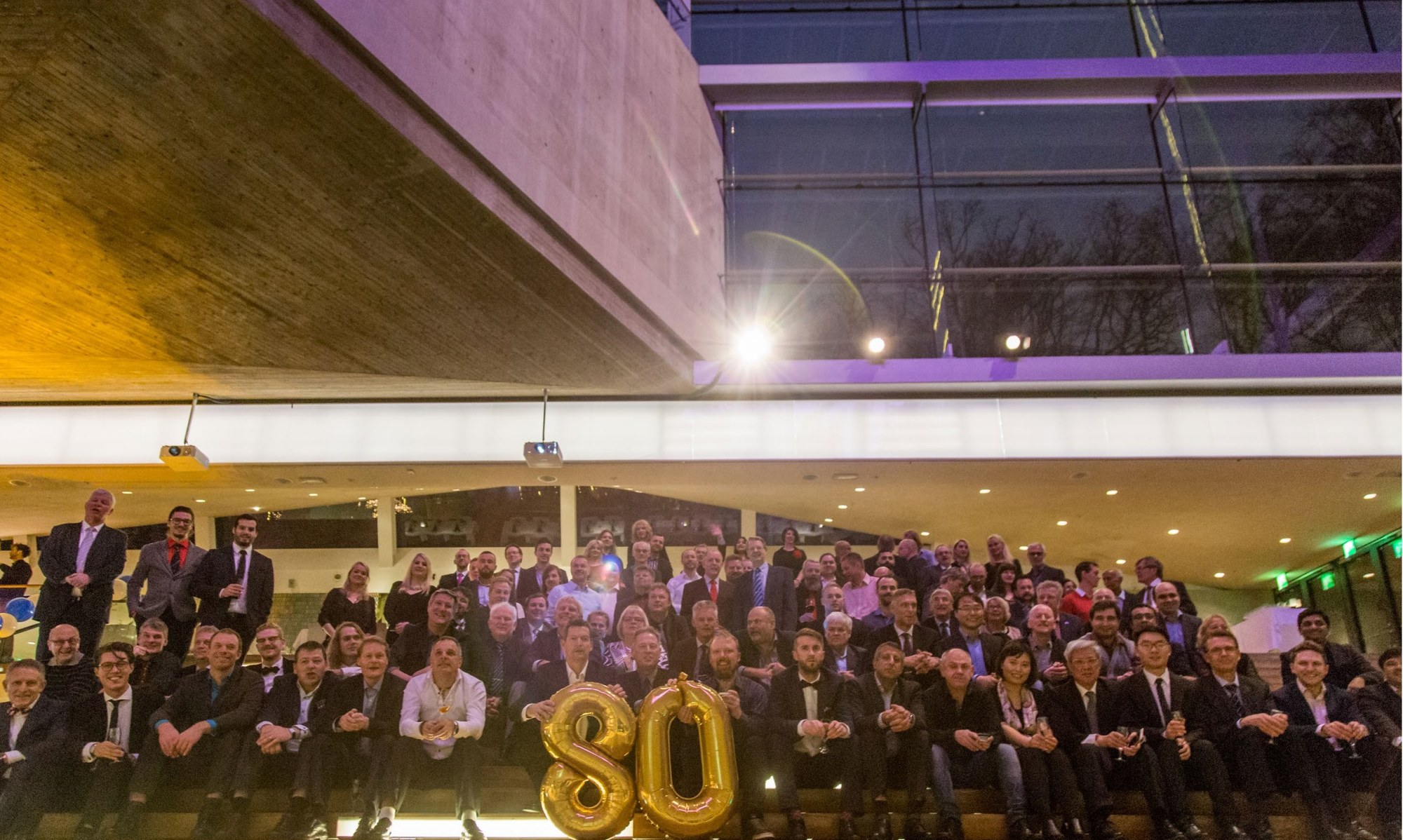
Mikhail Brandt — 80 лет без перебоев
For the 80th anniversary, Sales Manager Eastern Europe Mikhail Brandt fronted the Russian-language edition — «80 лет без перебоев!» — presenting ControlKraft Touch and ControlKraft Digital to the strong developing market in Eastern Europe.
One Mark, Six Worlds
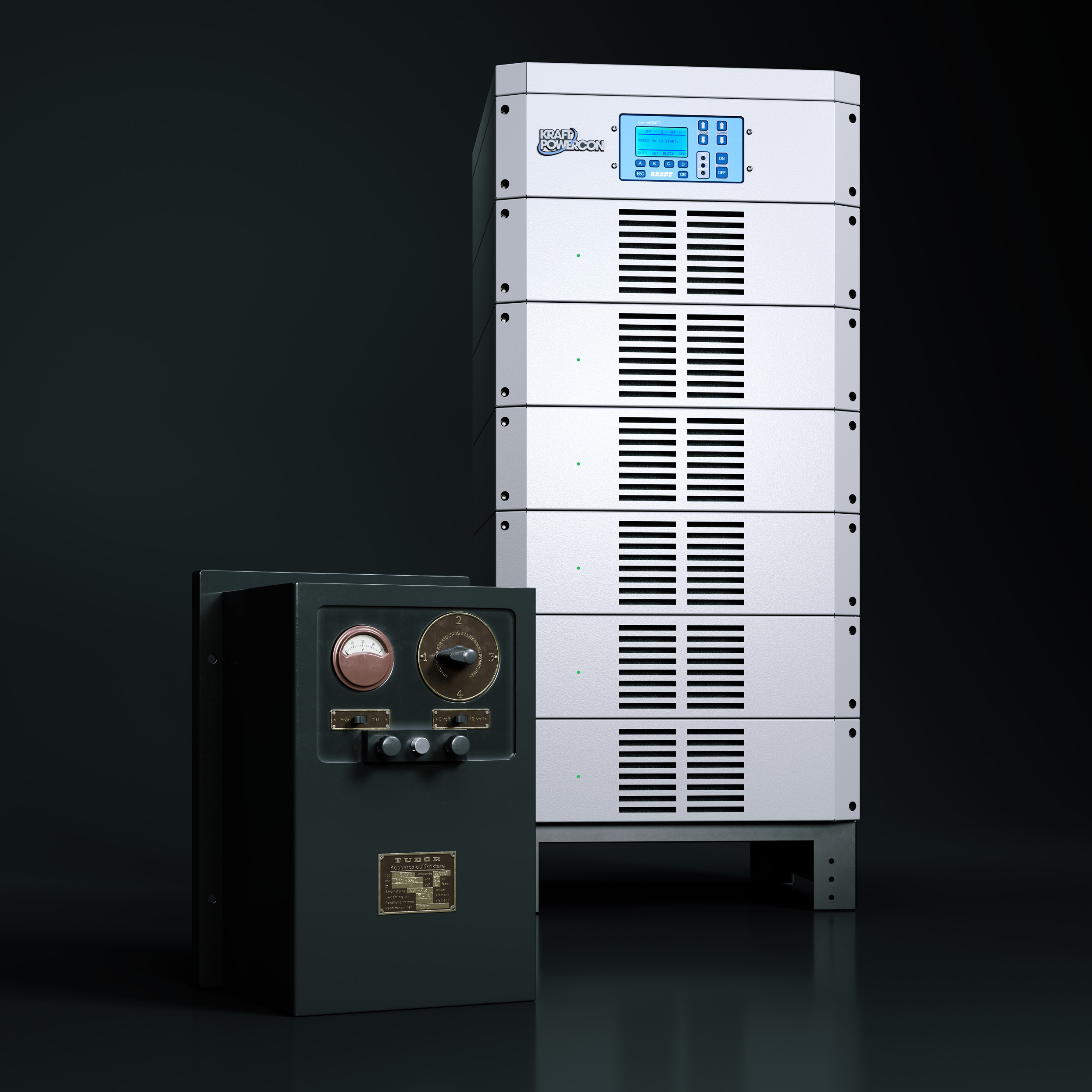
UPS at Elfack, Gothenburg
The UPS division on stage at the Nordic electrotechnical fair — a return to Elfack twenty years after the 1995 debut.
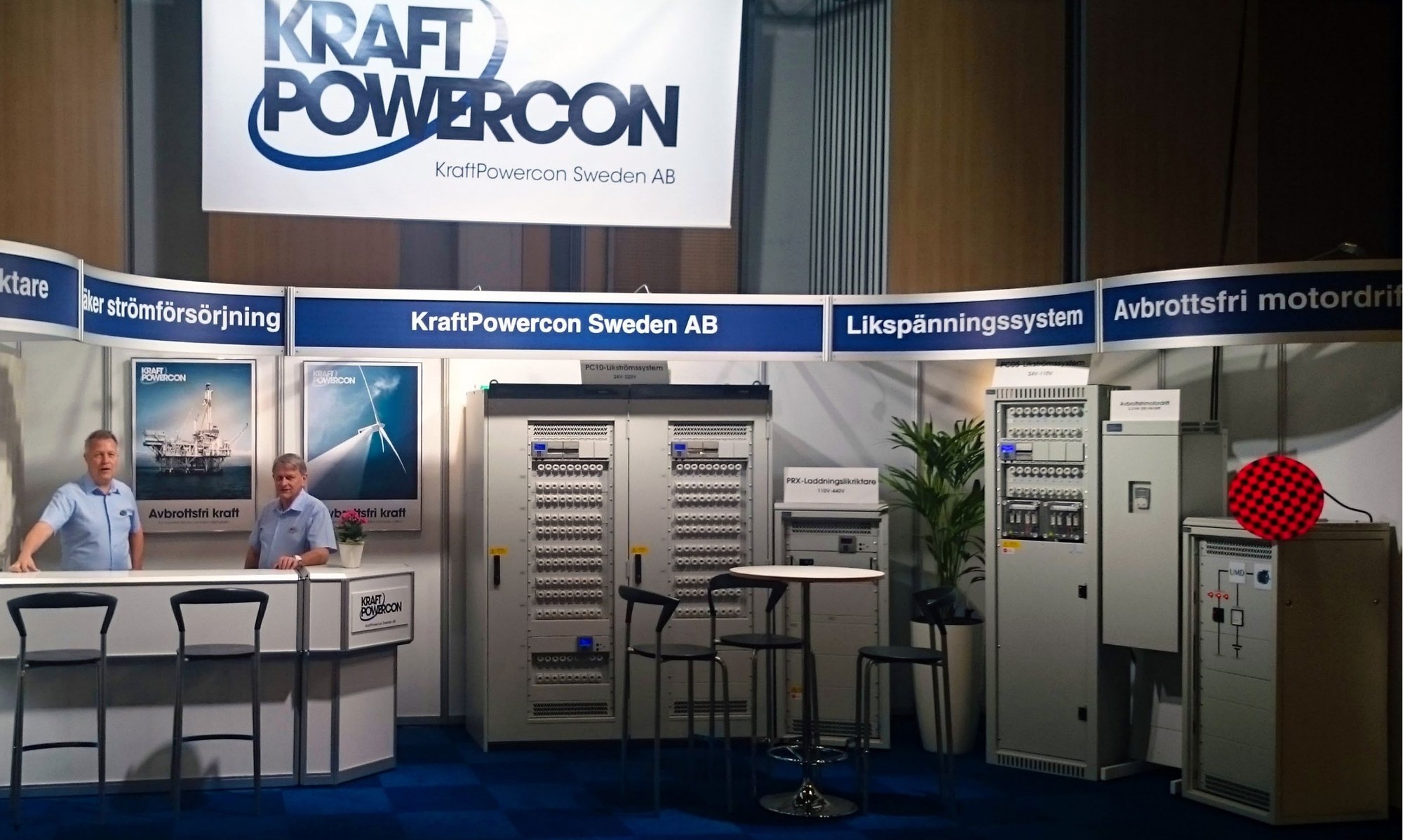
Kraft Classic — installed on the roof
A Kraft Classic transformer-rectifier hoisted onto the roof of a customer plant — the cabinet design unchanged in silhouette since the seventies, the electronics inside completely rebuilt.
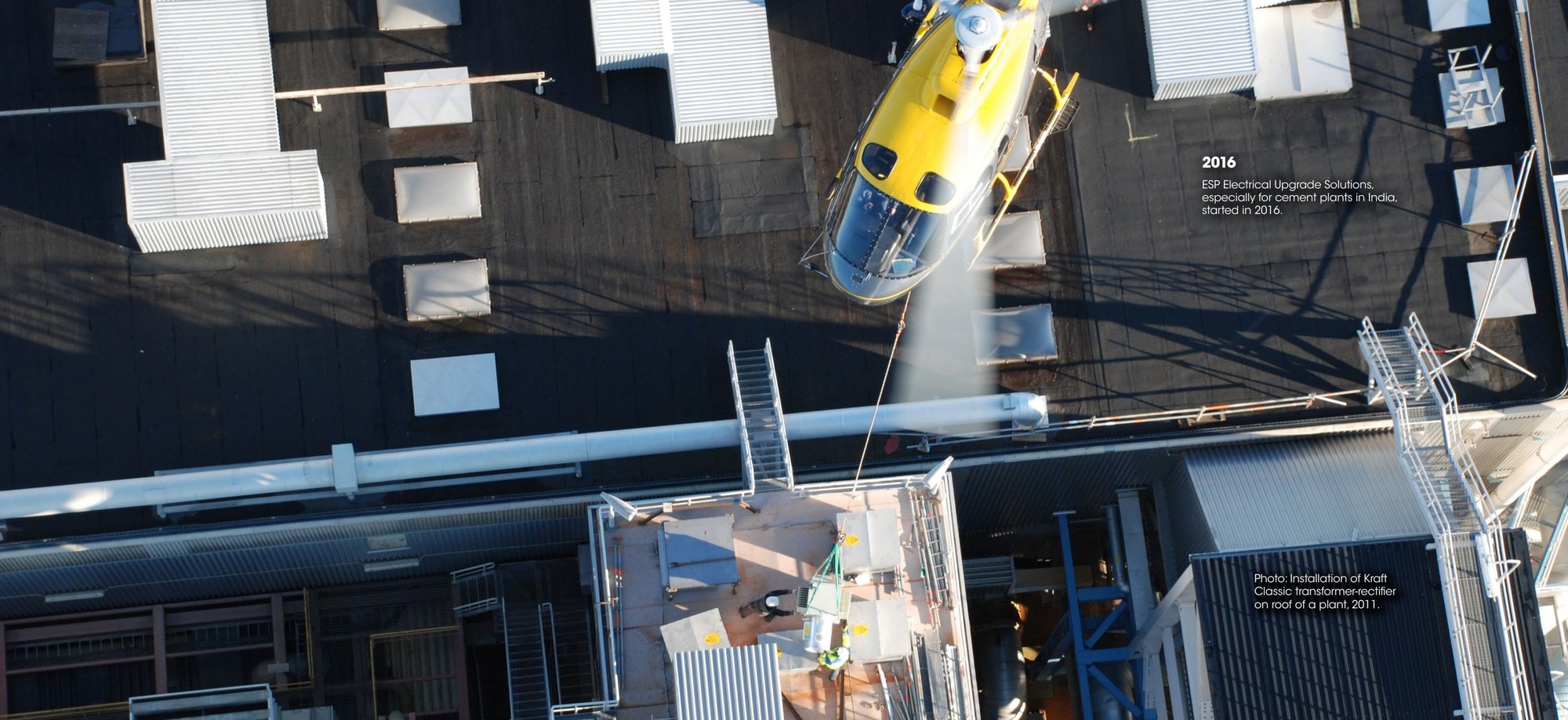
Pollution Control-Services (PCS)
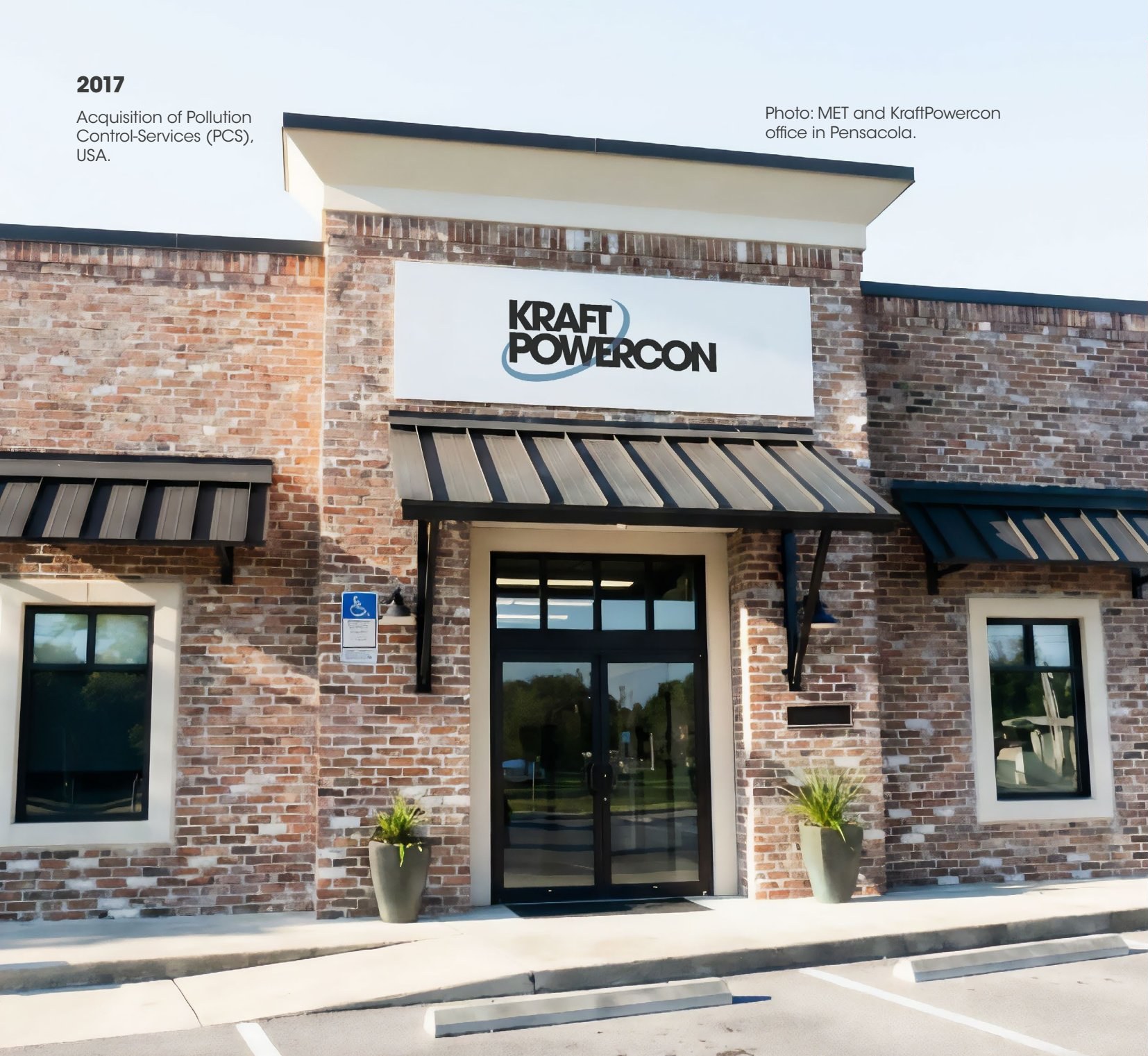
The acquisition of PCS in the United States widened the air pollution control footprint and brought a service organisation into the group.
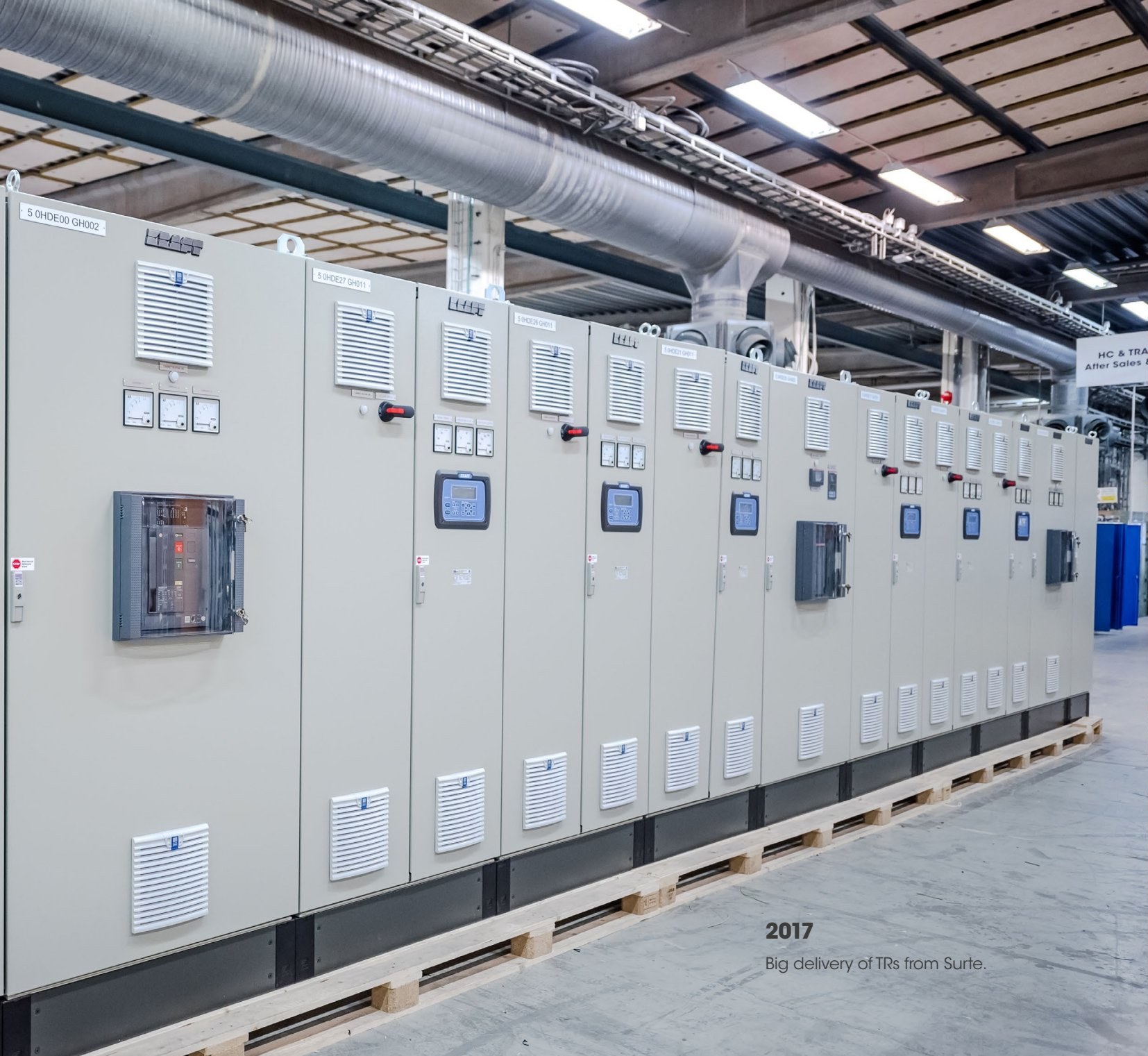
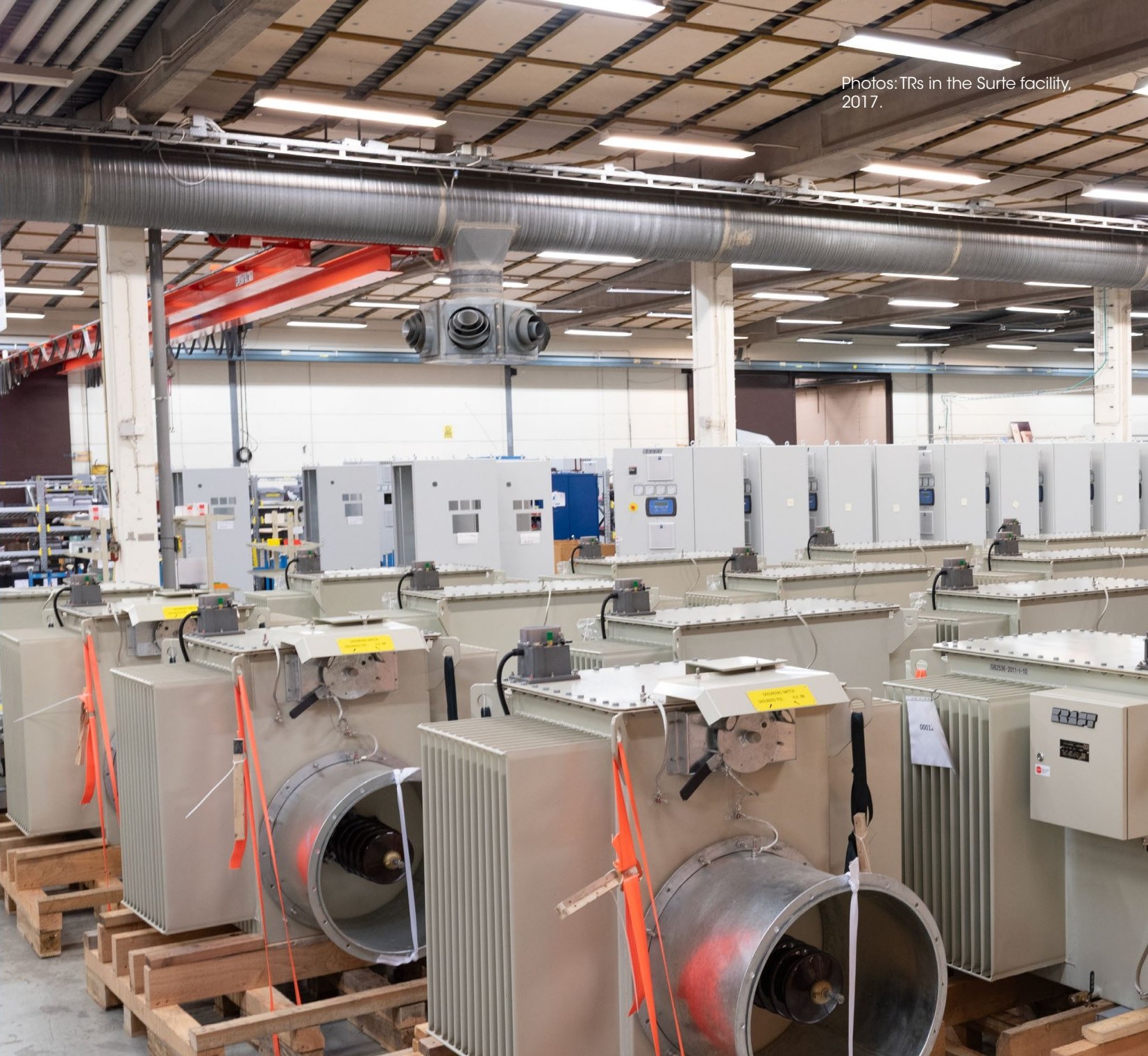
A big delivery of TRs
A batch of transformer-rectifiers staged on the Surte shop floor ahead of shipment — one of the largest single deliveries of the decade.
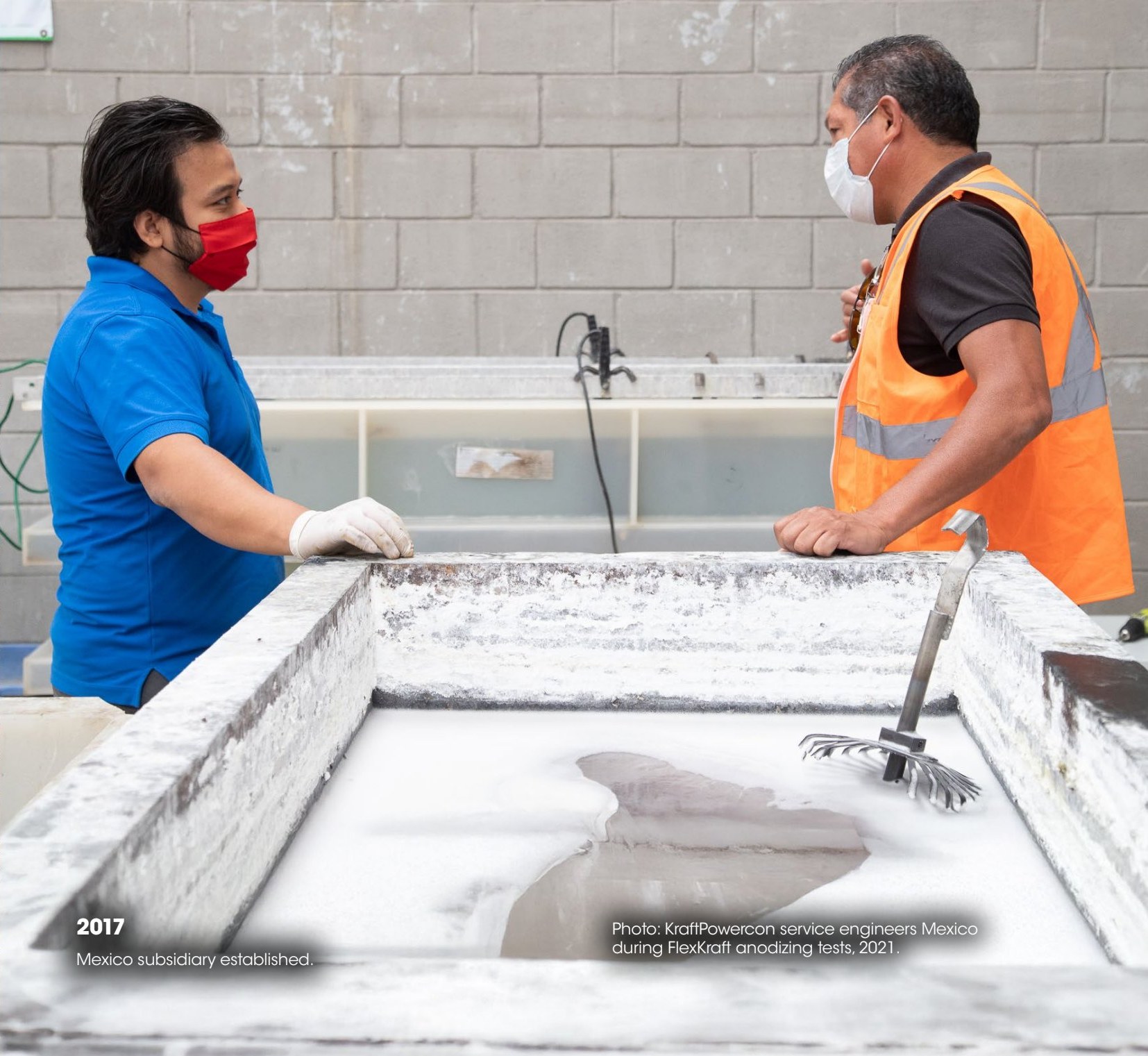
FlexKraft anodising tests · Mexico
Service engineers on site for anodising trials — a Swedish rectifier, a Mexican aluminium plant, a video call back to Surte.
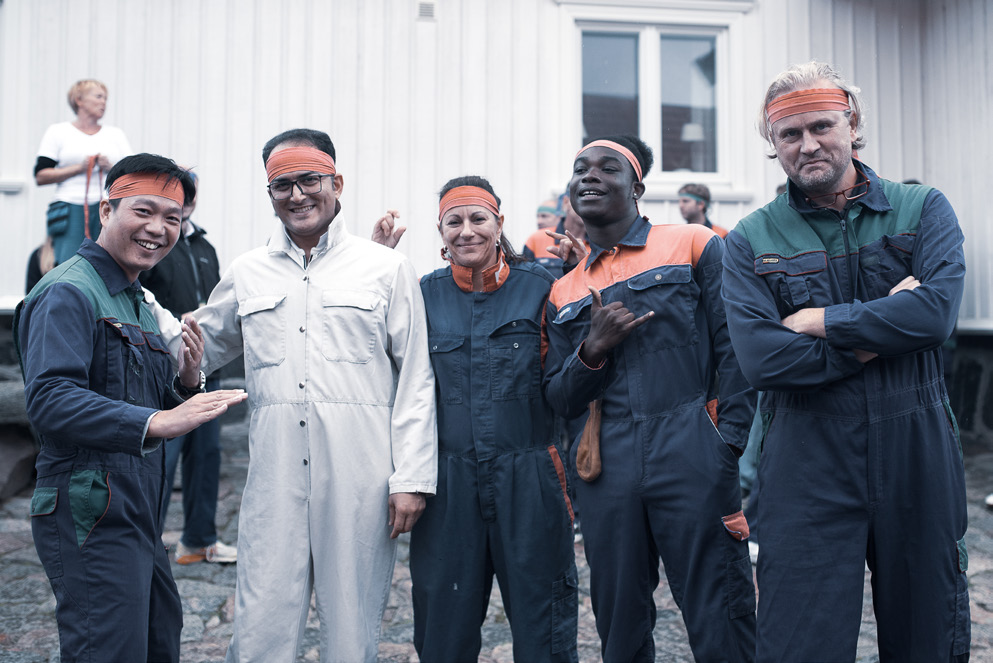
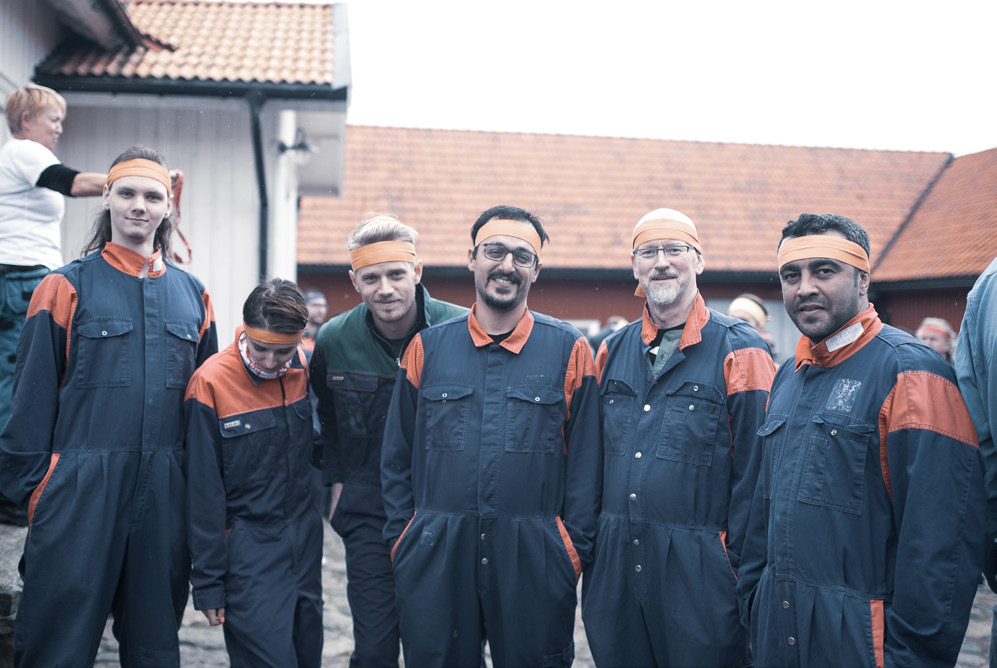
Team-building, with mud.


MET — Marsulex Environmental Technologies
The MET acquisition completed the air-pollution-control story — wet-FGD, dry-FGD and electrostatic precipitator power supplies under one roof.
Two official launches, one mission.
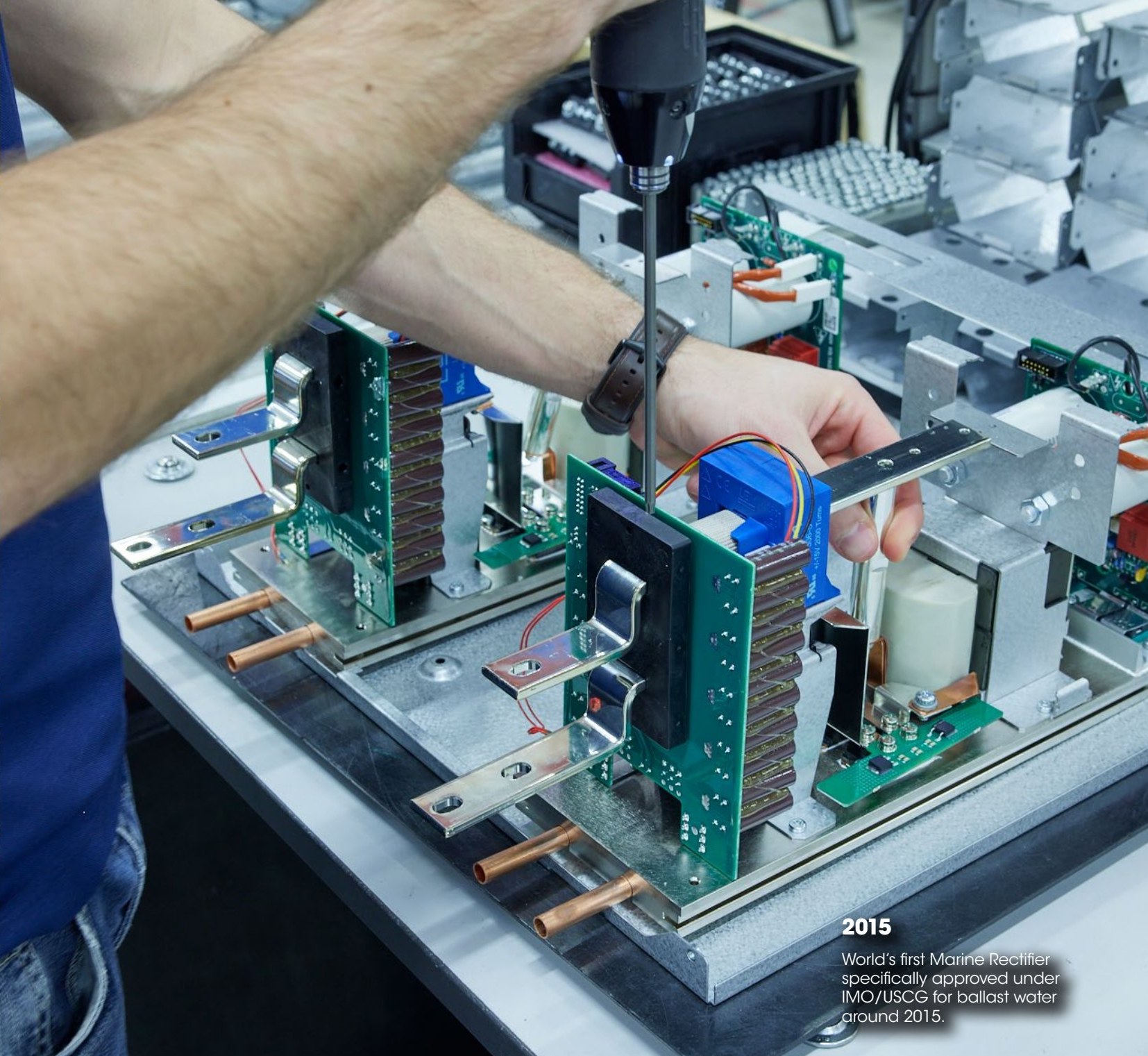
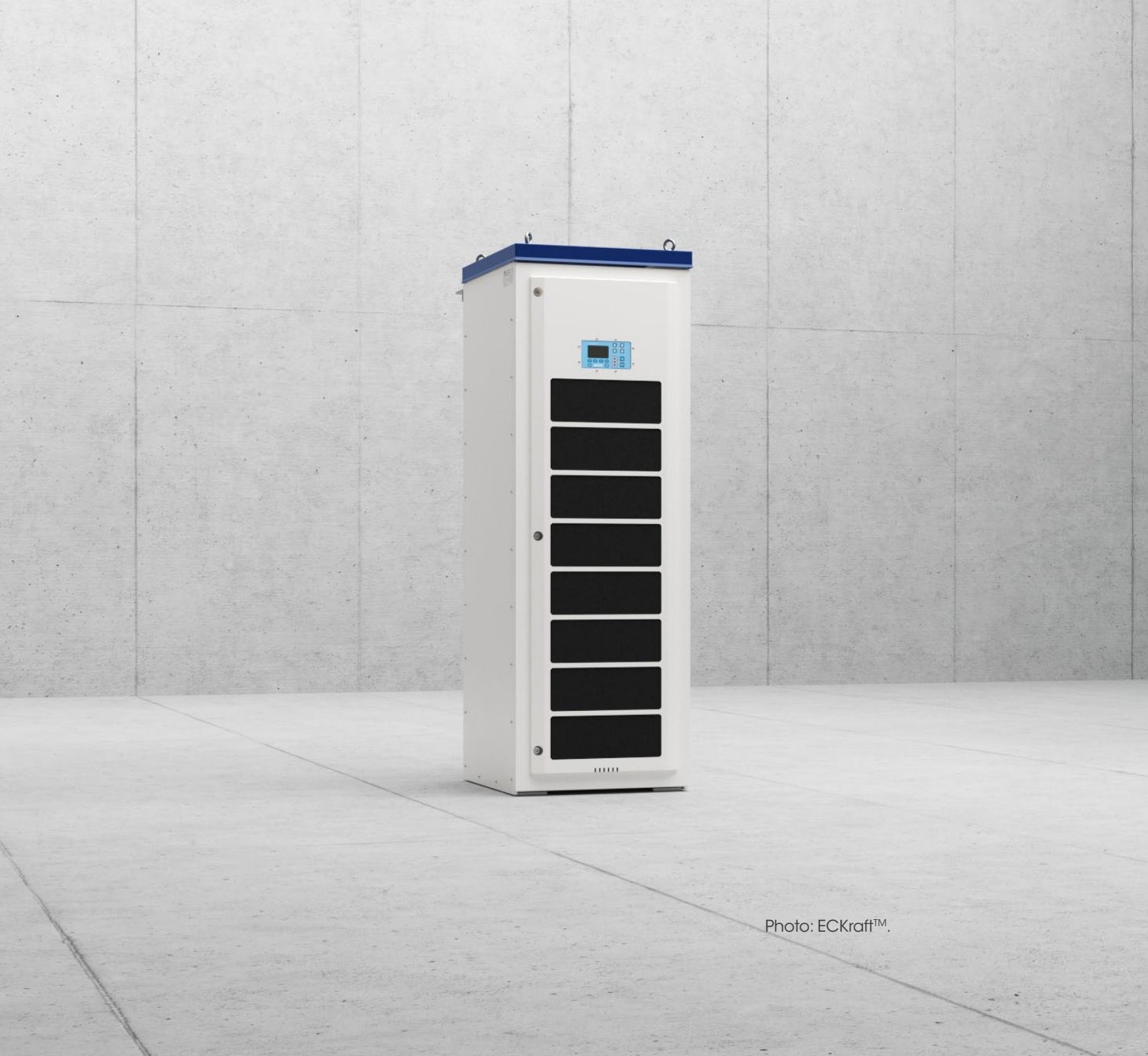
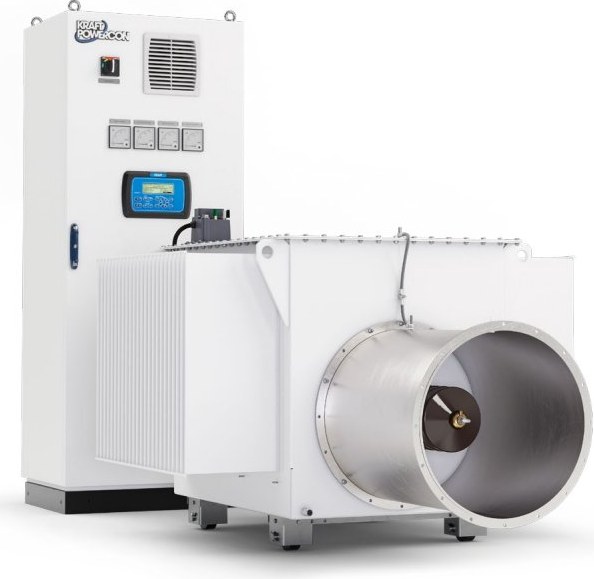
PulseKraft — an advanced power supply that lets customers upgrade existing electrostatic precipitators instead of replacing the filter. ECKraft™ — a new generation of high-frequency ESP power supplies for the post-MET portfolio, alongside a ballast-water variant for marine.
1,500 UMD™ units installed
A quiet milestone for the Uninterruptible Motor Drive line: over 1,500 units in the field globally, a UPS timeline reference for the industry.
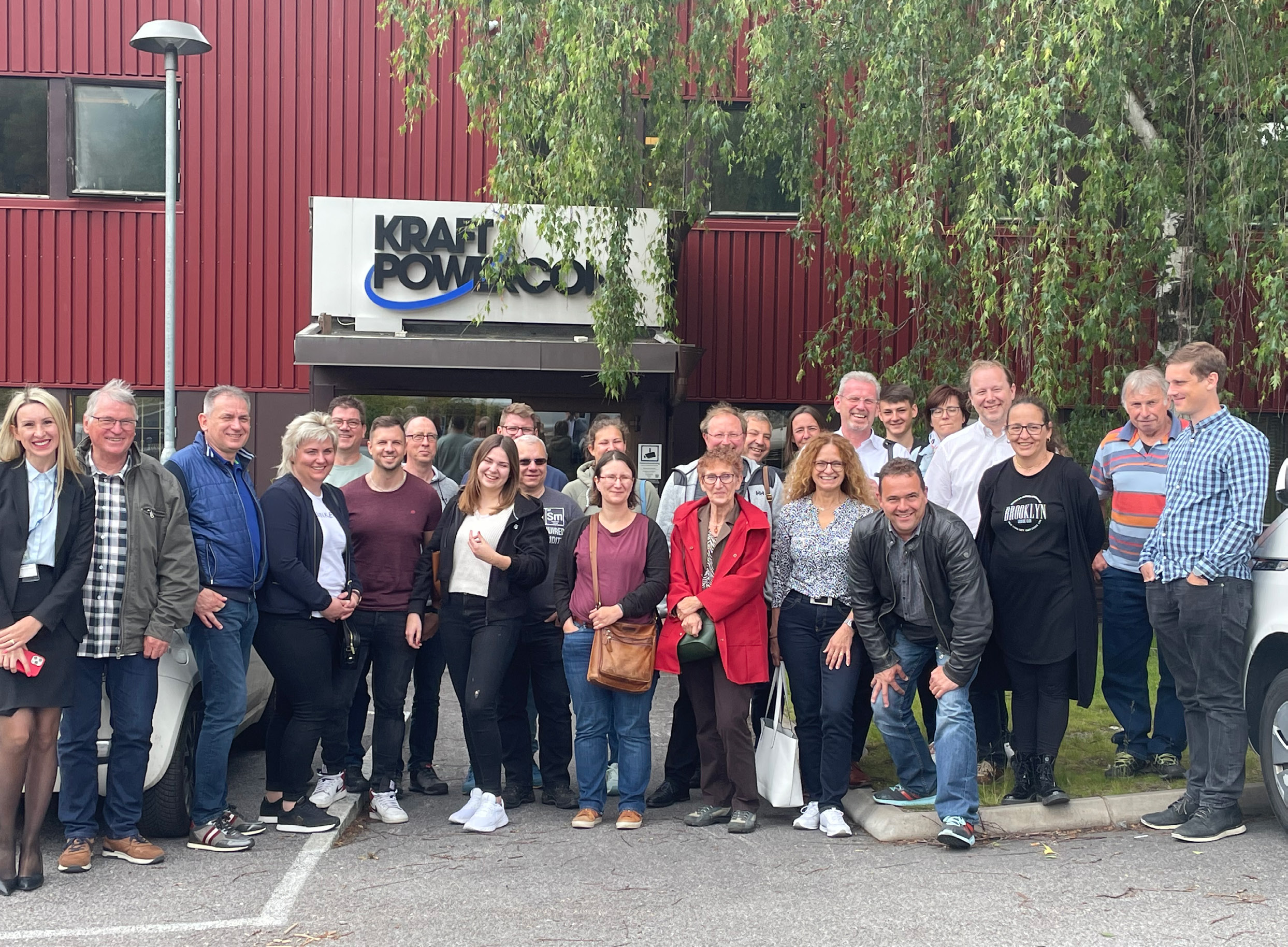
Twenty-five German platers come to Surte.
A delegation of 25 platers from the Nuremberg District Group of the DGO (Deutsche Gesellschaft für Galvano- und Oberflächentechnik) — led by Udo Krüger and Manfred Hoos — visited KraftPowercon's headquarters under the theme "Helping you to achieve a greener and more profitable future." A day of demonstrations, exchanges and ideas on sustainable, energy-efficient electroplating.
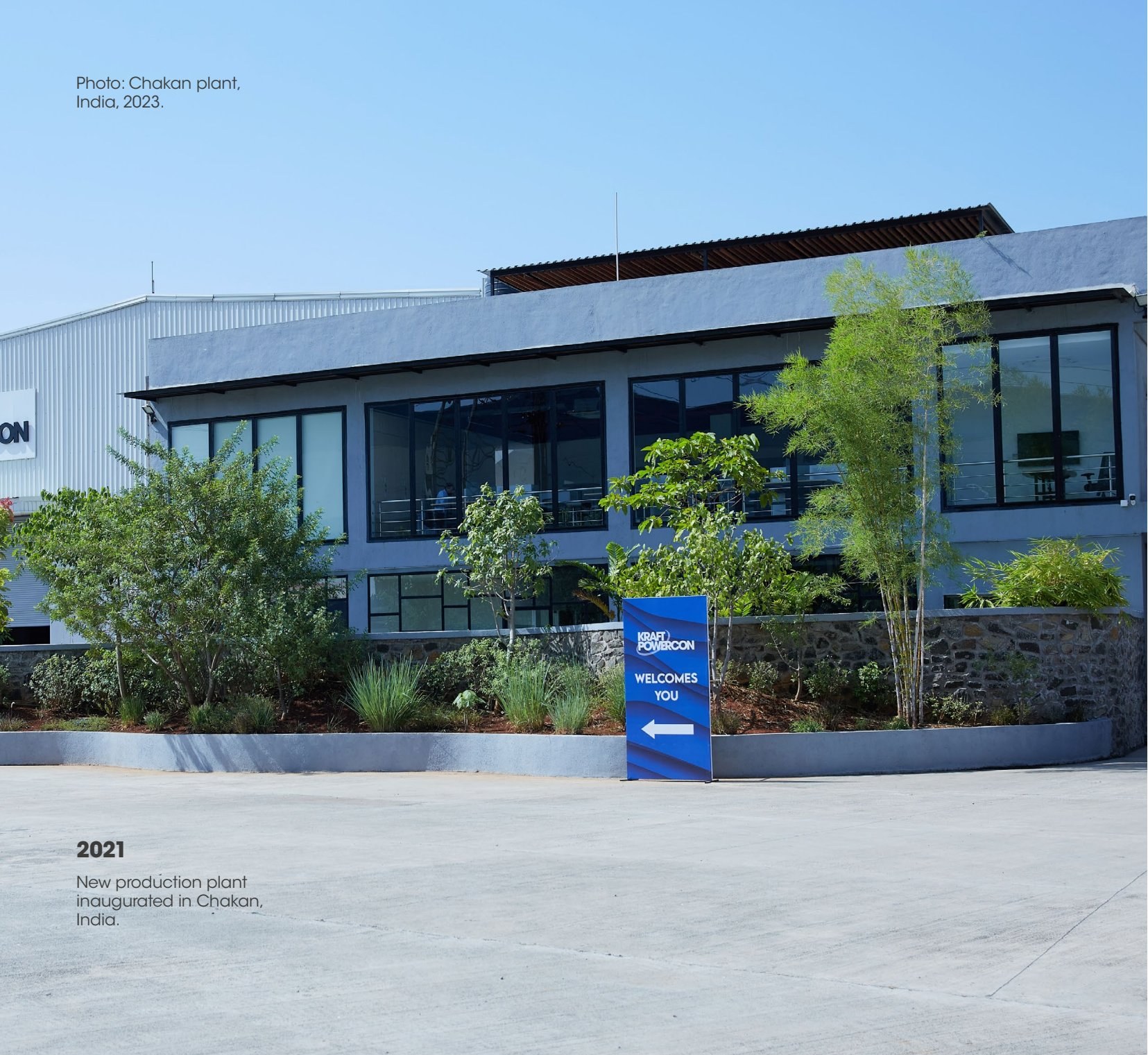
Chakan plant · India
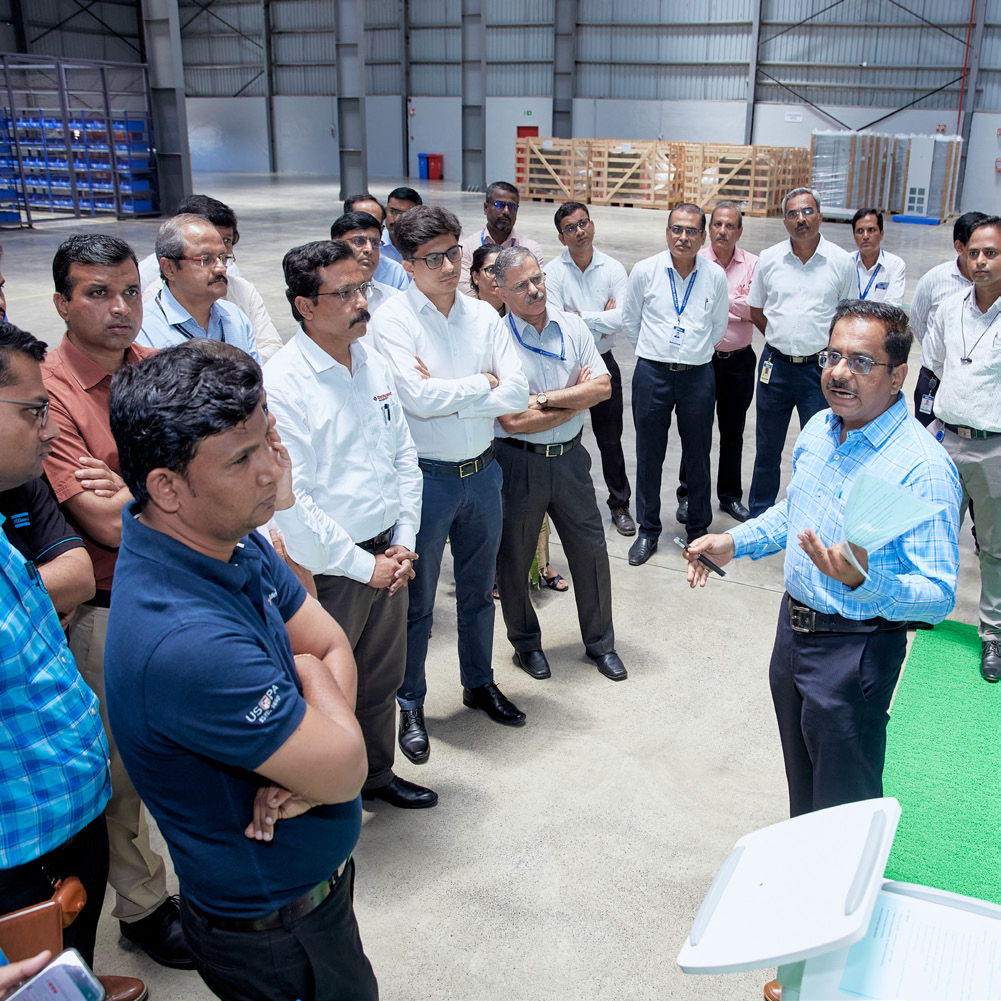
The Chakan facility — expanded capacity for the Indian and South-East Asian markets, with a new battery-module line on the floor.
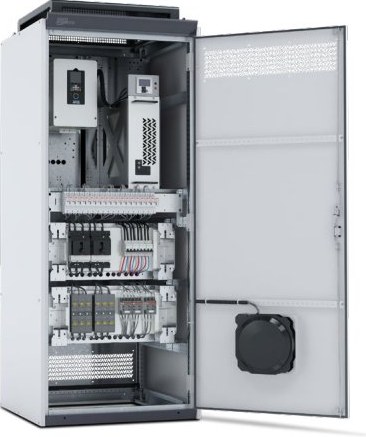
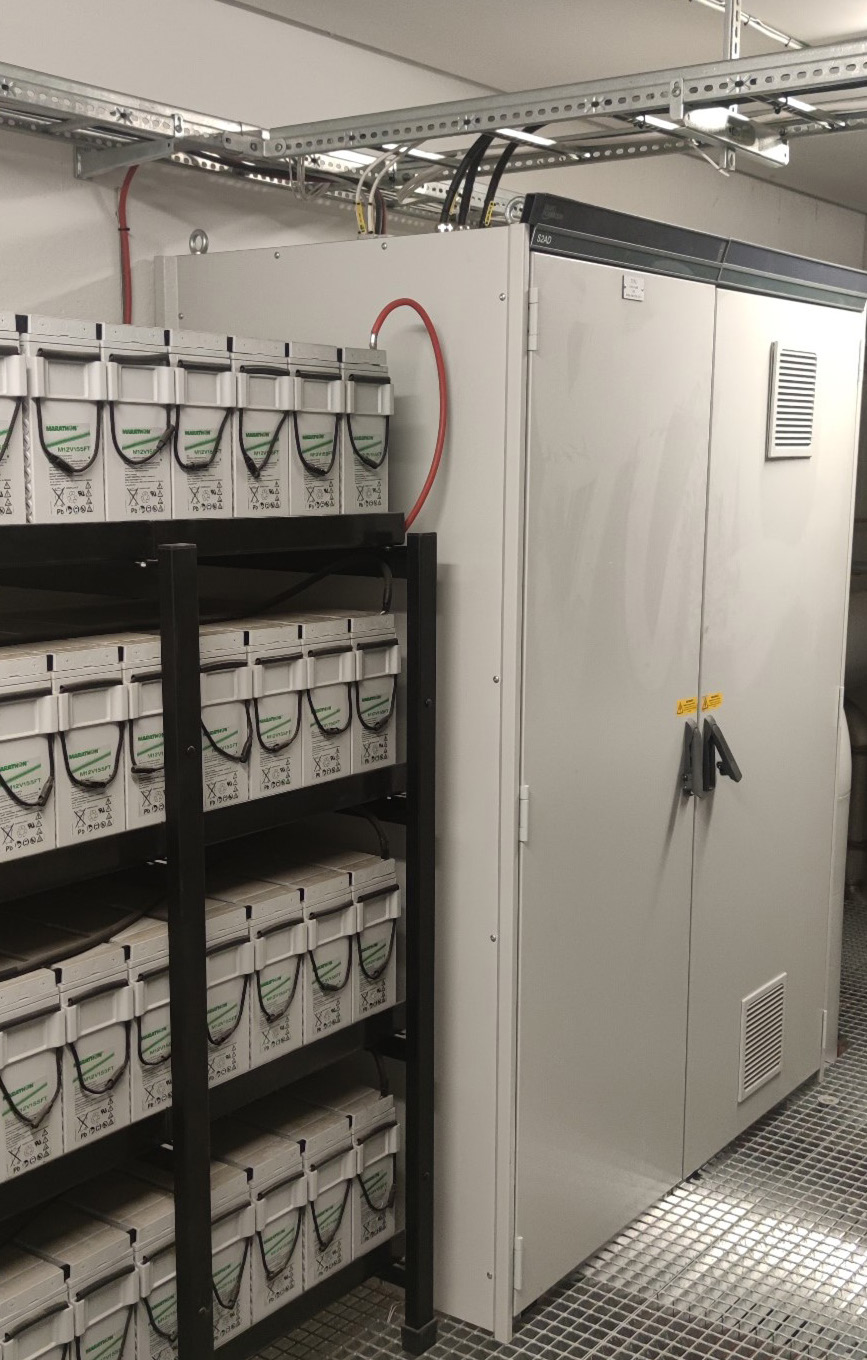
Empowering the Renewable Future.
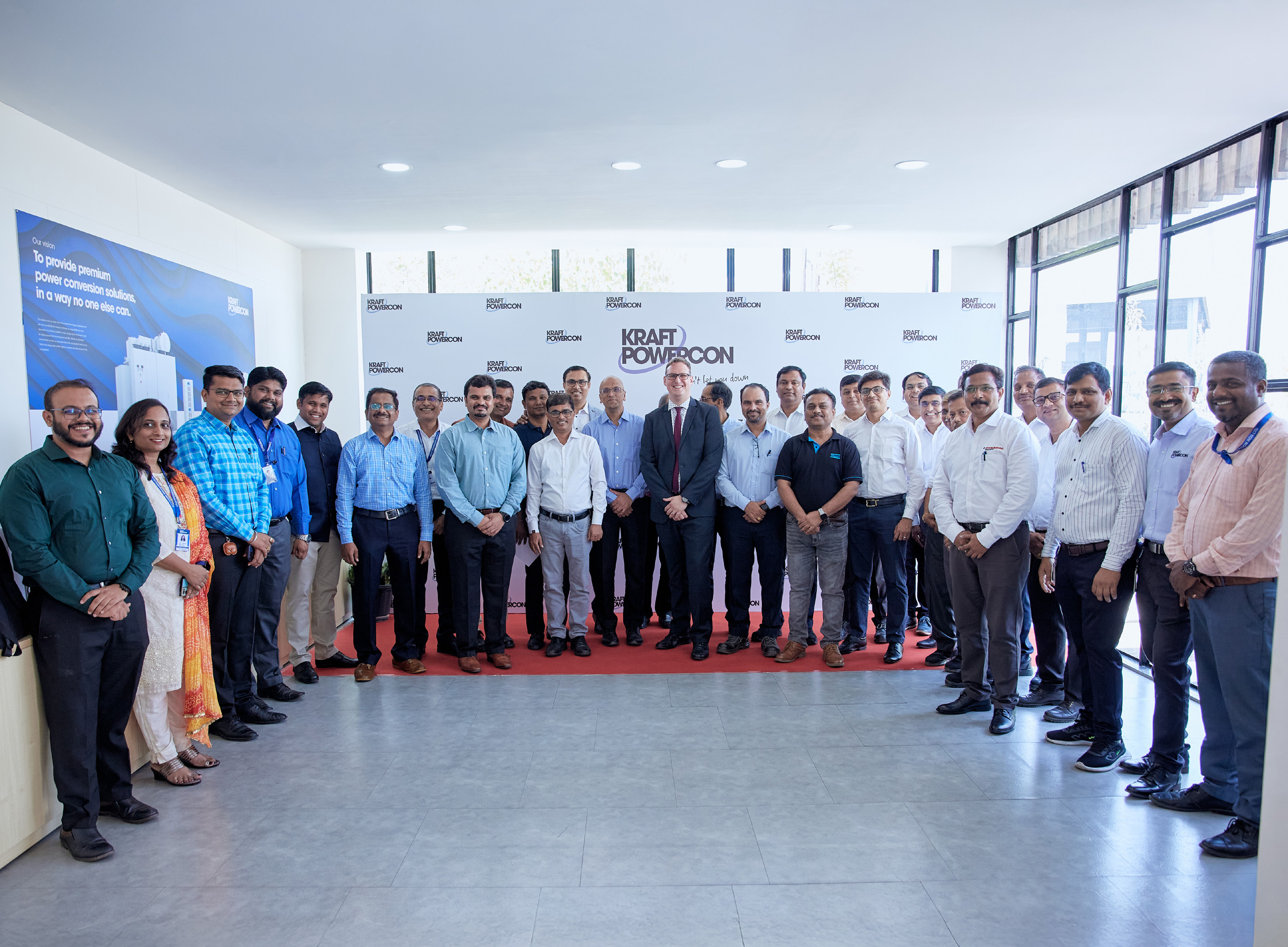
At the new Chakan facility, KraftPowercon hosted an event on renewable energy and sustainable industrial development. Sweden's Ambassador to India joined representatives from Swedish and Indian companies for a day of dialogue on hydrogen production, electrolysis and energy storage — a platform for innovation, partnership and a more sustainable, connected future.
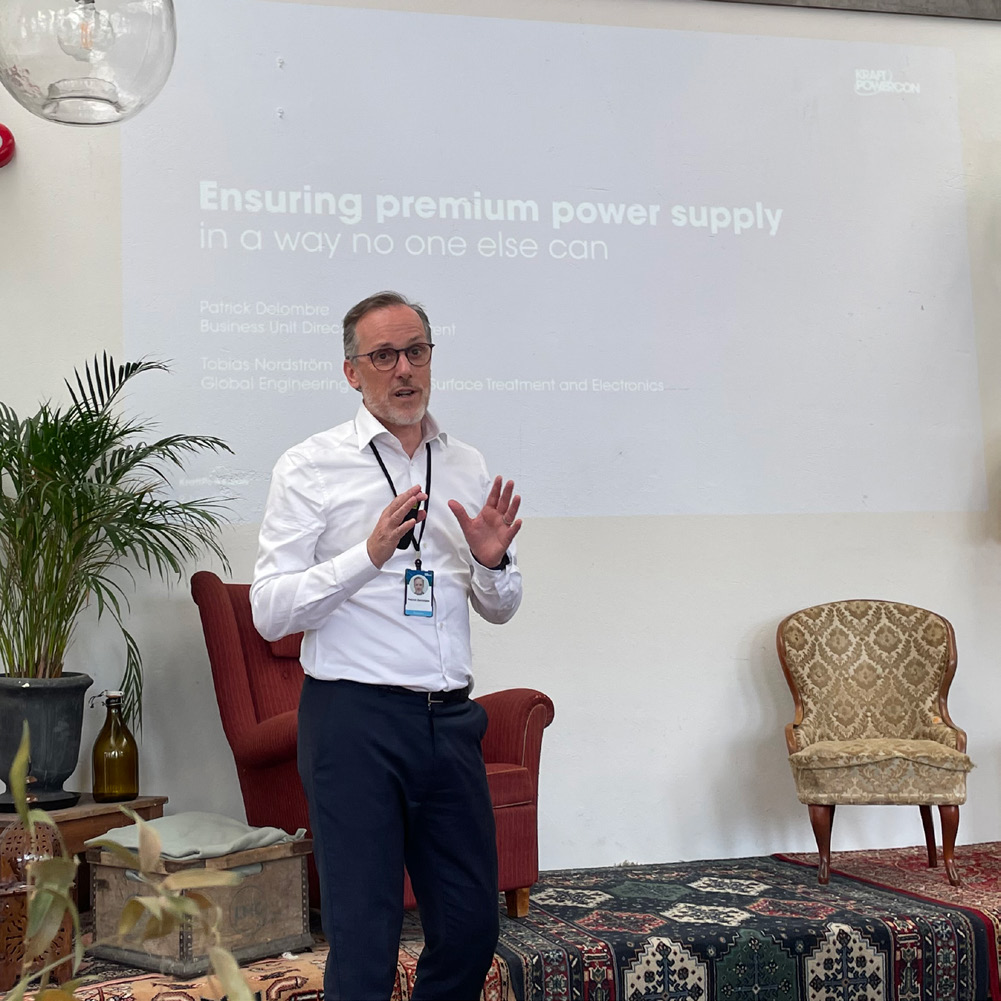
To provide premium power conversion solutions — in a way no one else can.
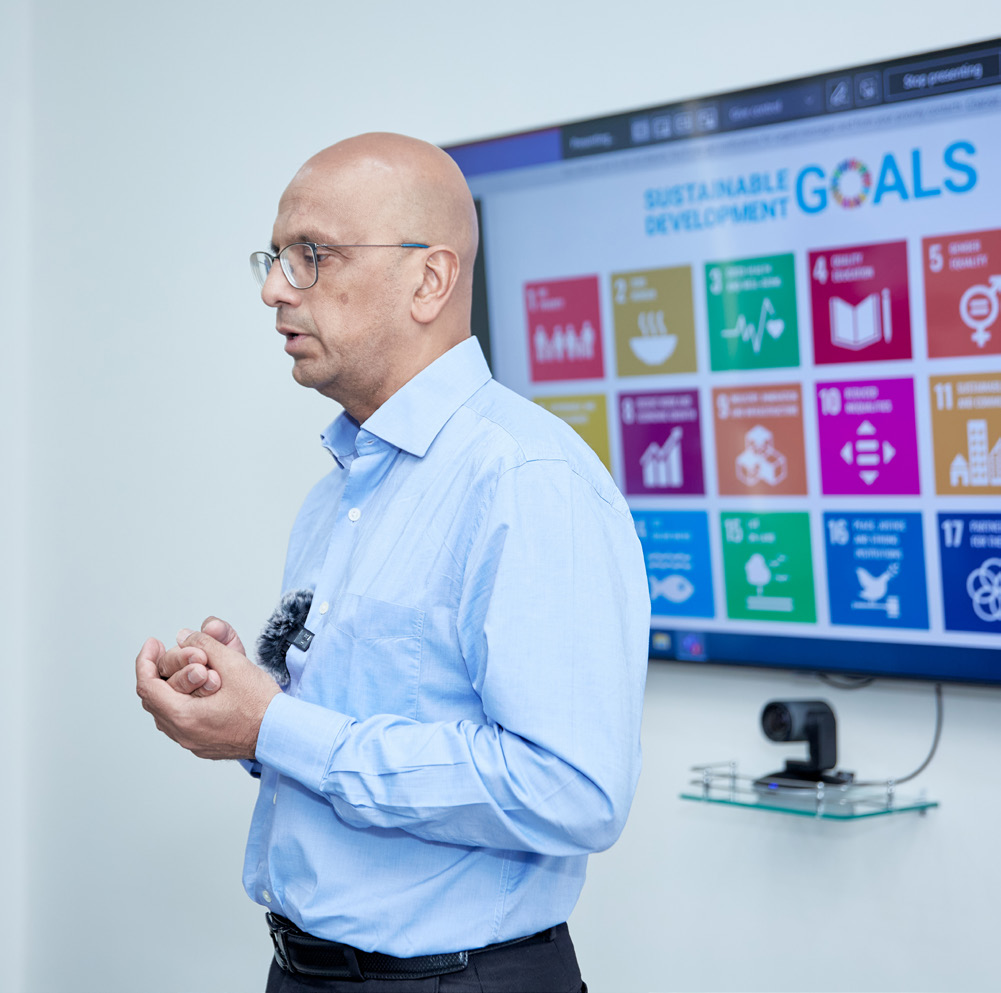
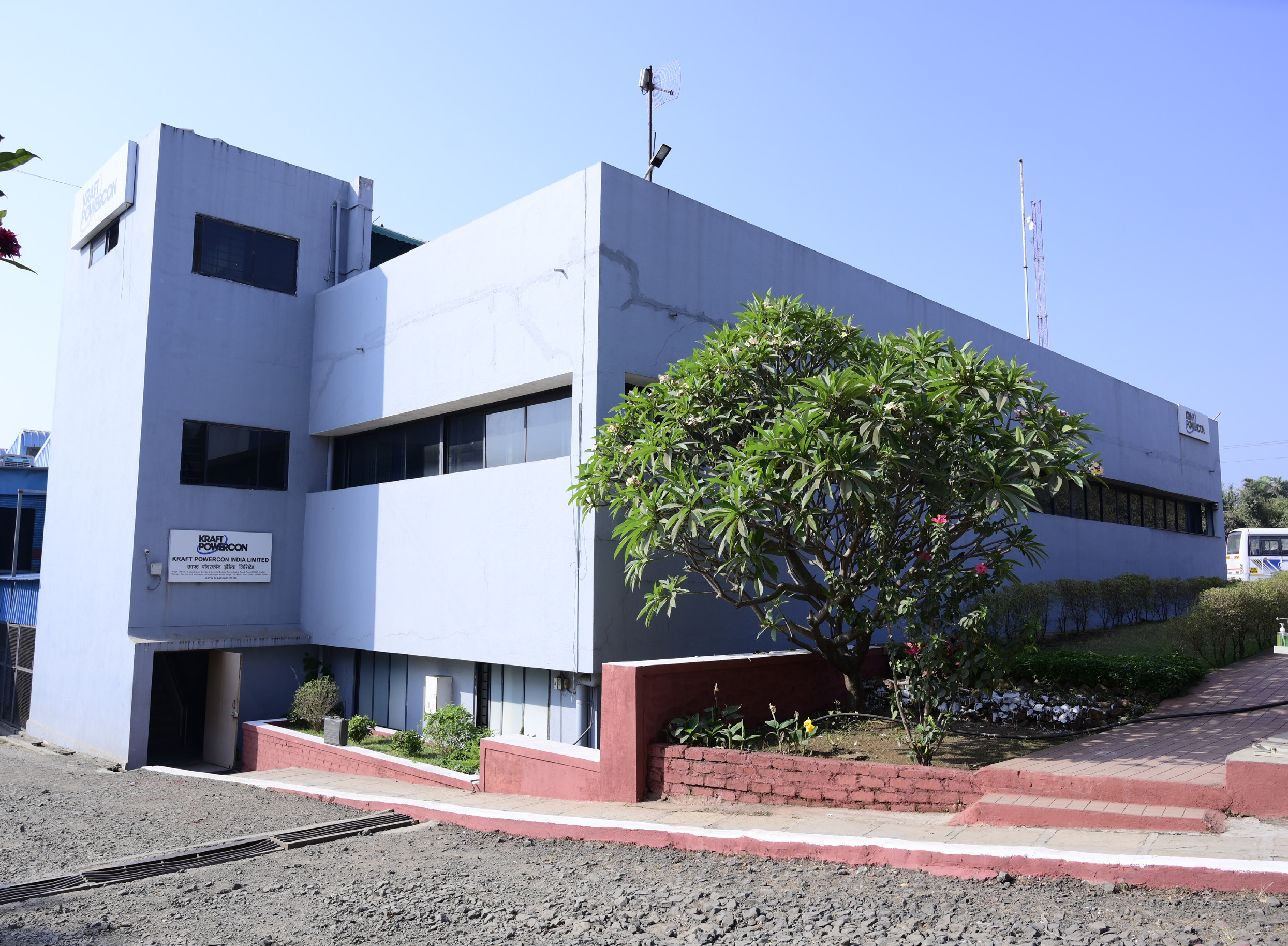
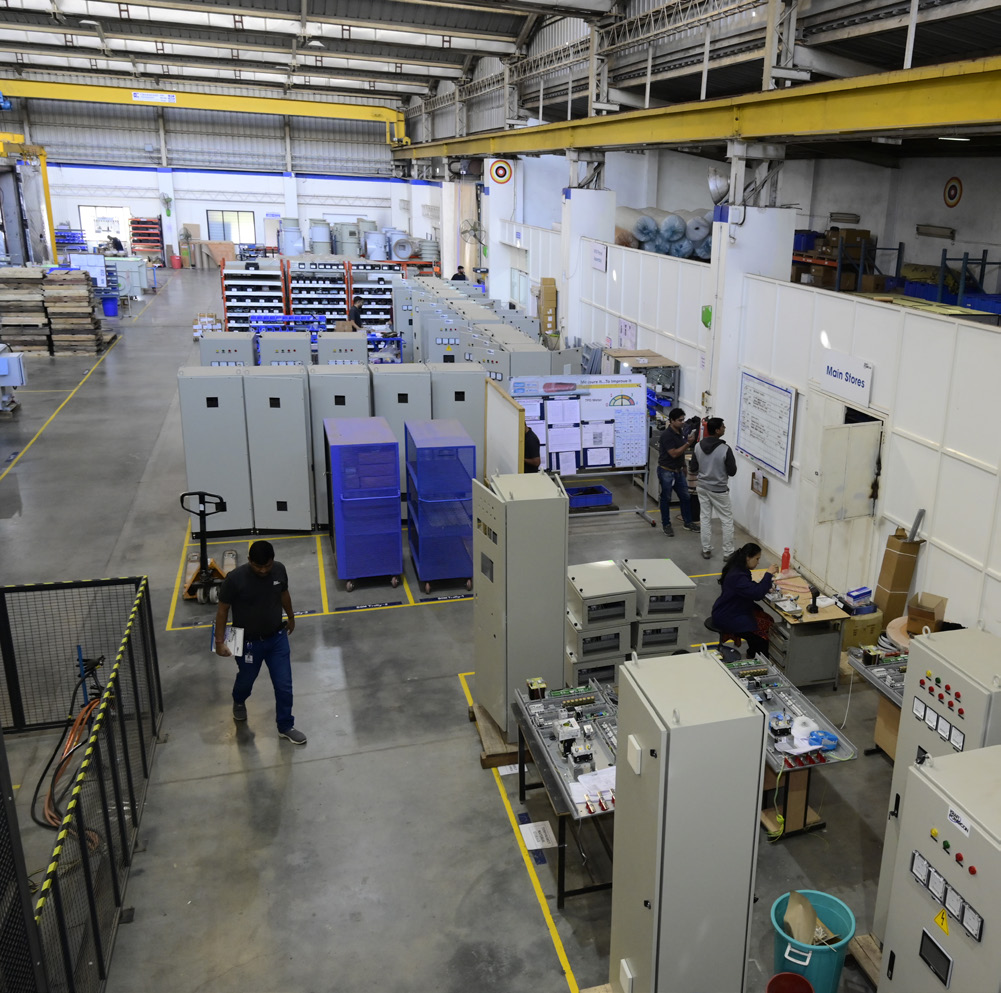
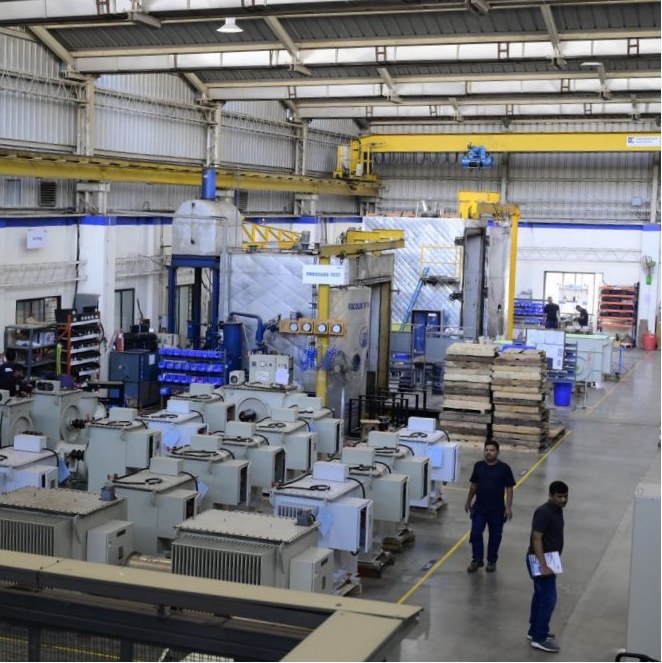
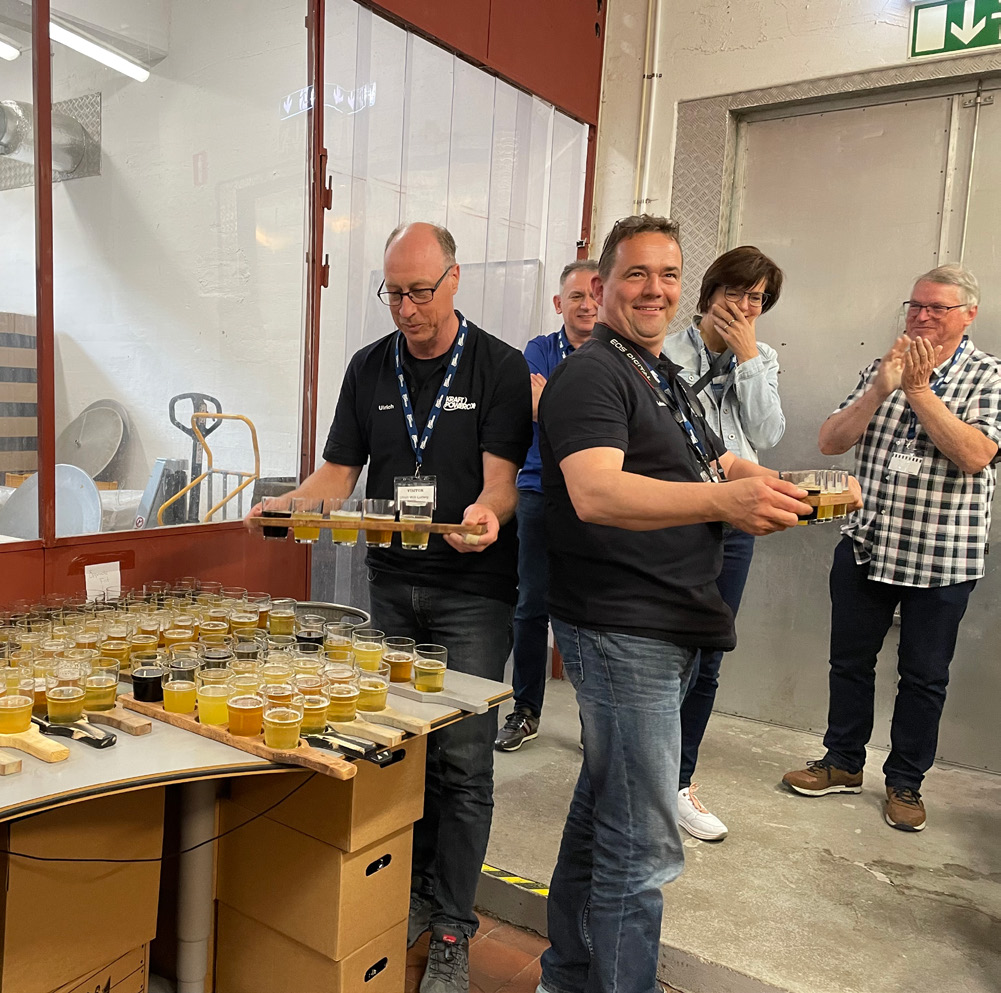
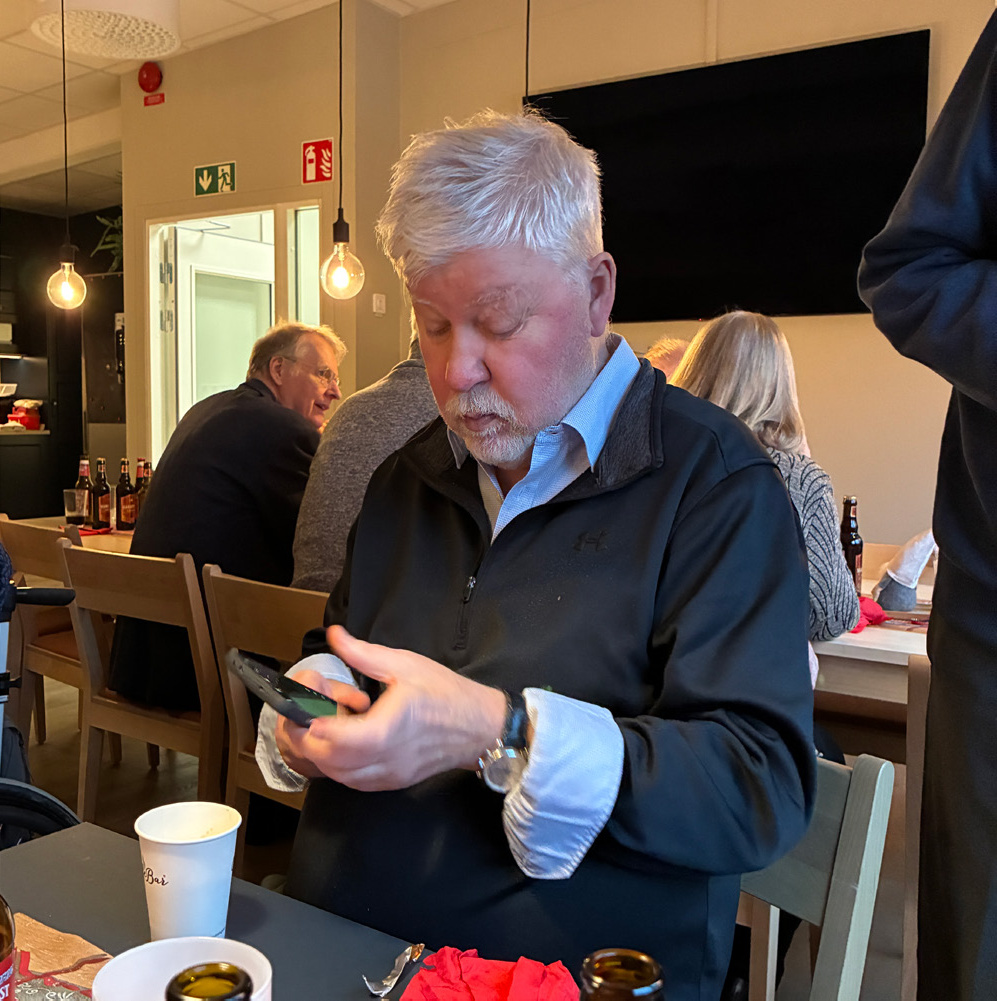
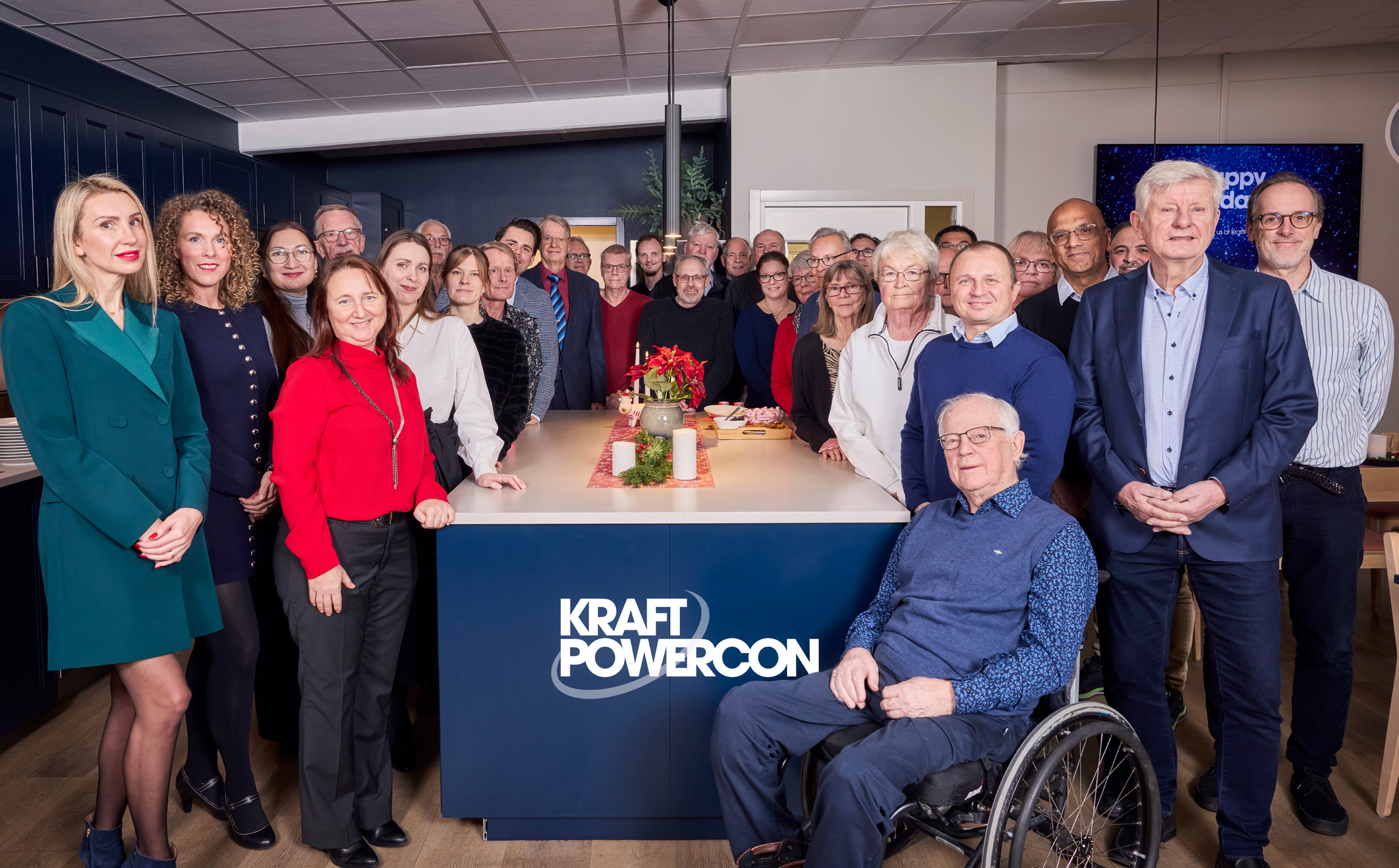
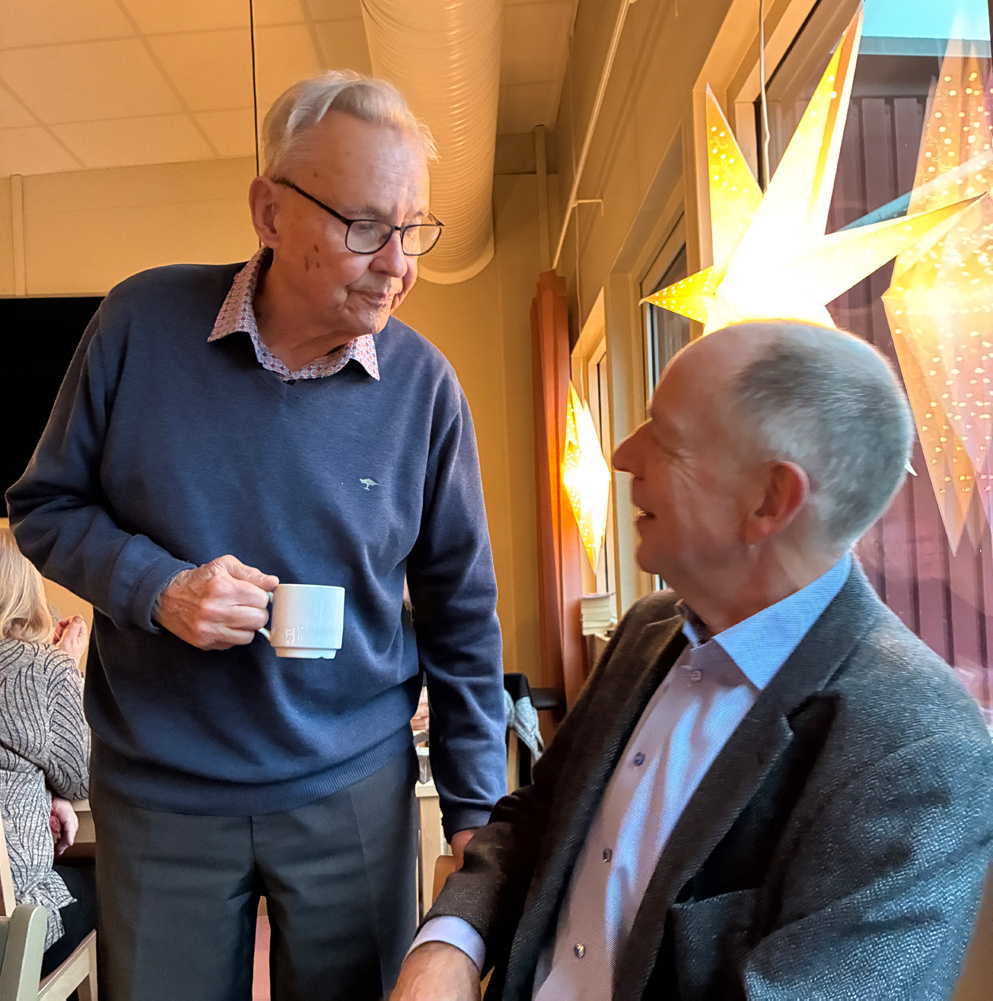
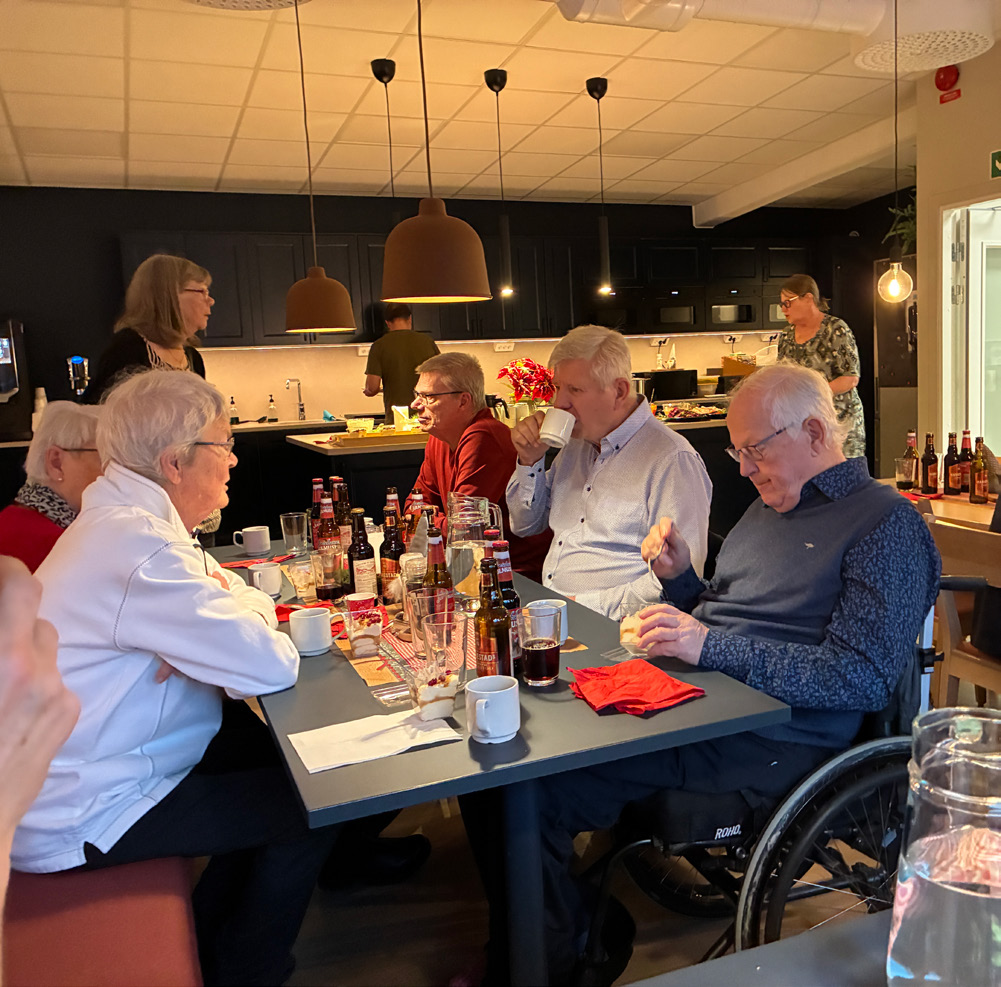
Current and former employees · the Christmas visit.
A Hundred Years & Beyond
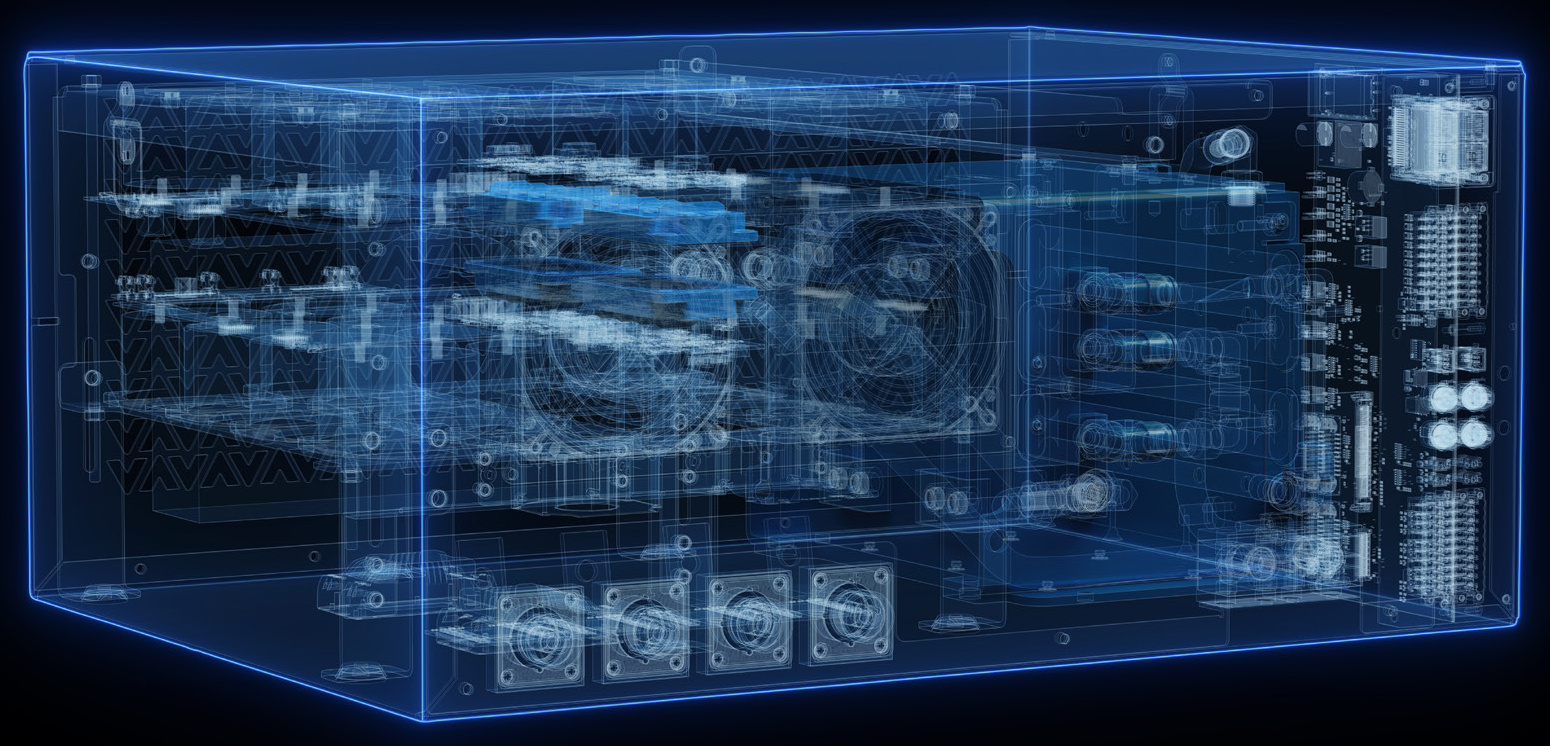
Six business areas.
Thousands of possibilities.
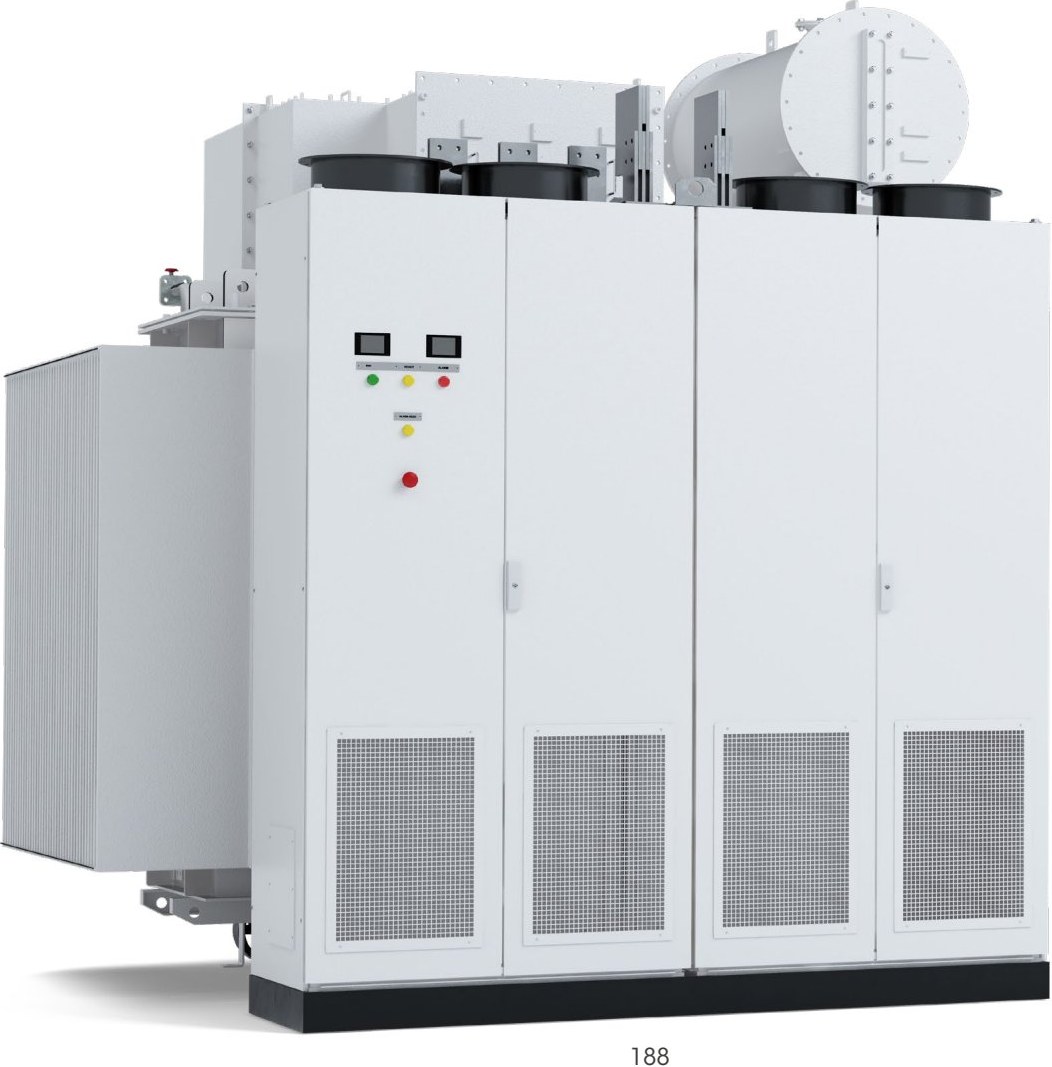
Built in Sweden,
delivered everywhere.
Engineering, manufacturing and service across ten own sites, with partners and distributors in more than fifty countries.
- Surte HQSweden
- VäxjöSweden
- AtlantaUSA
- PensacolaUSA
- QuerétaroMexico
- ShanghaiChina
- Hong KongChina
- SeoulSouth Korea
- Bade CityTaiwan
- PuneIndia
- Partners & distributors50+ countries
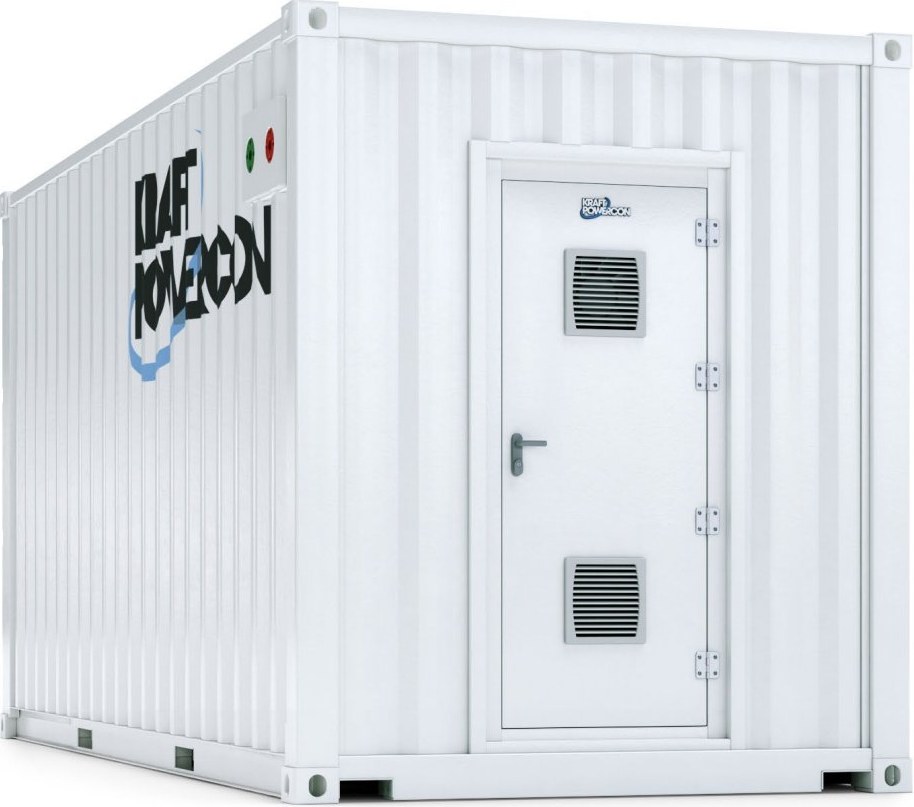
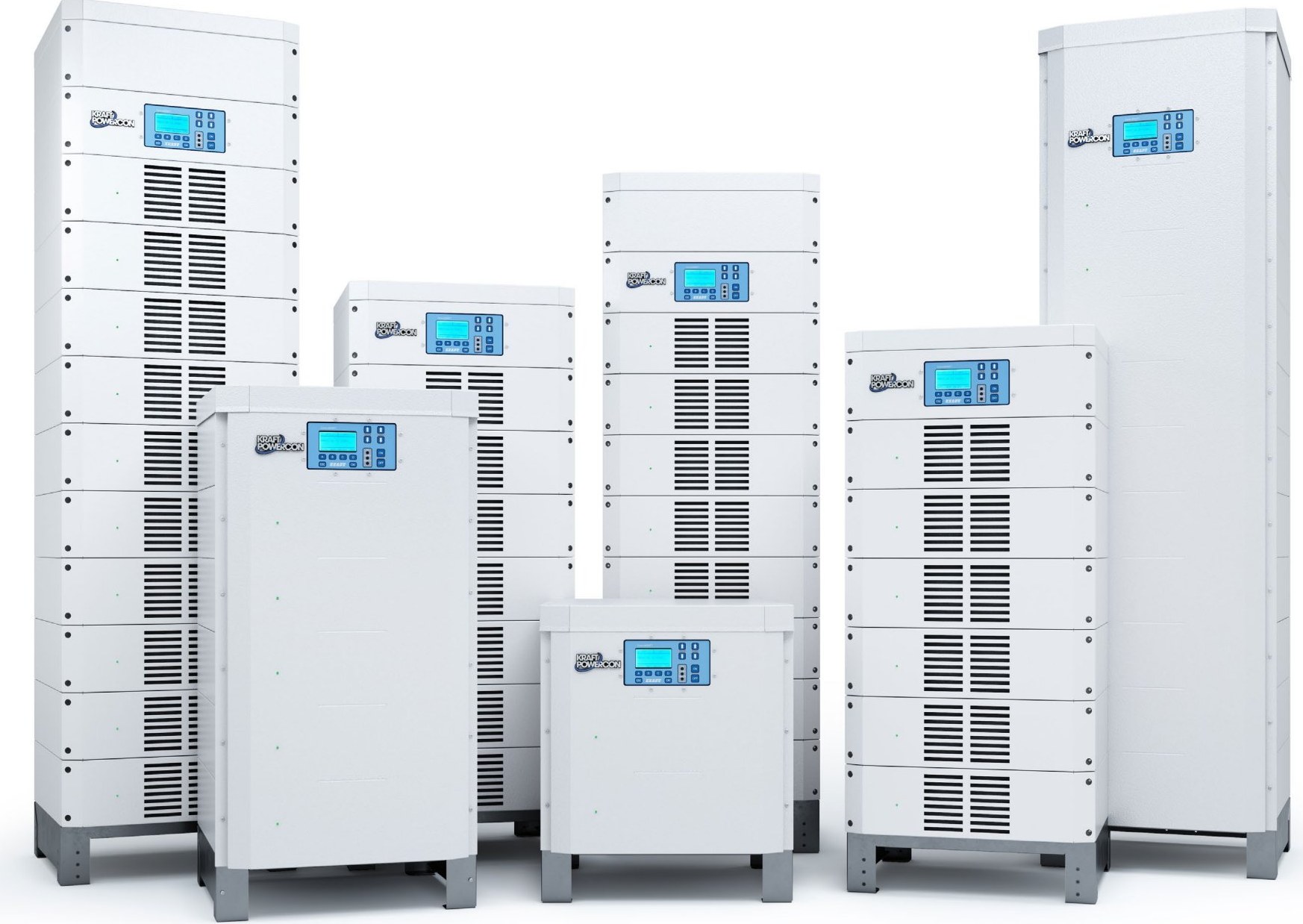
A modular idea that reshaped an industry.
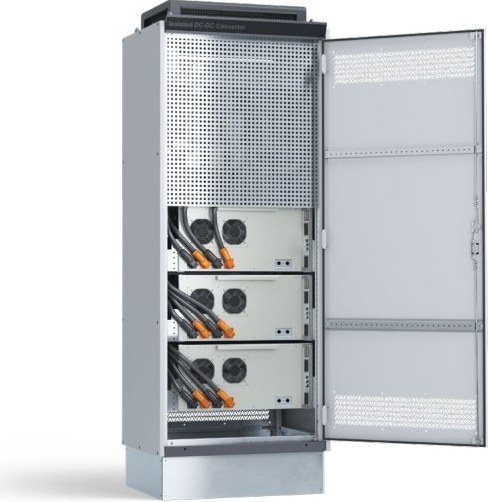
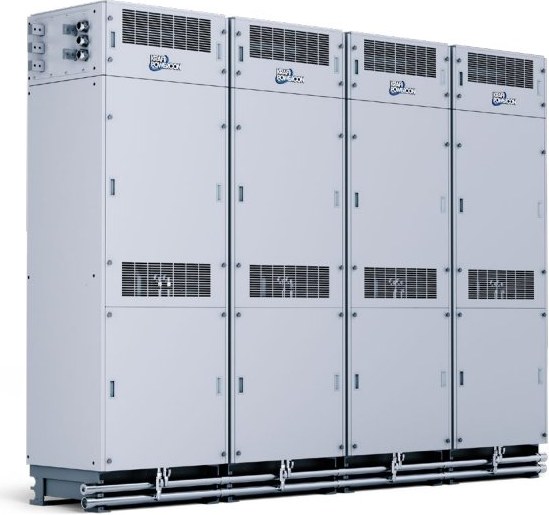
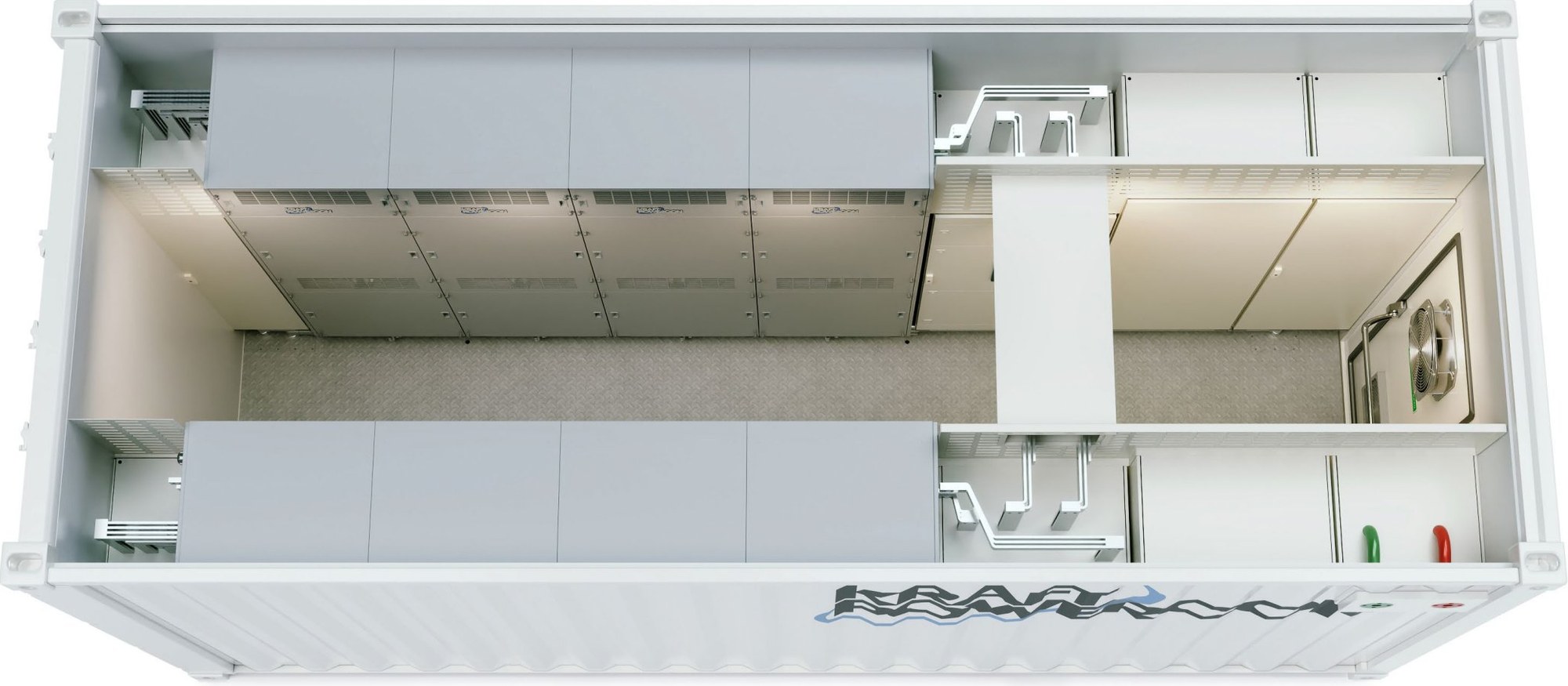
The IKraft container — a complete electrolyser power conversion system, factory-built and shipped on a flatbed. Twenty-foot, modular, and weather-sealed.
100 years
and beyond.
The next decade is already on the drawing board: green hydrogen at gigawatt scale, fossil-free steel, marine electrification, and an air pollution control mission that has only grown more urgent. The cabinet has changed. The conviction has not.
Silicon carbide, switch-mode, made for medium combustion plants.
A compact silicon-carbide switch-mode power supply for electrostatic precipitators on medium combustion plants. First installation: Trollhättan, Sweden.
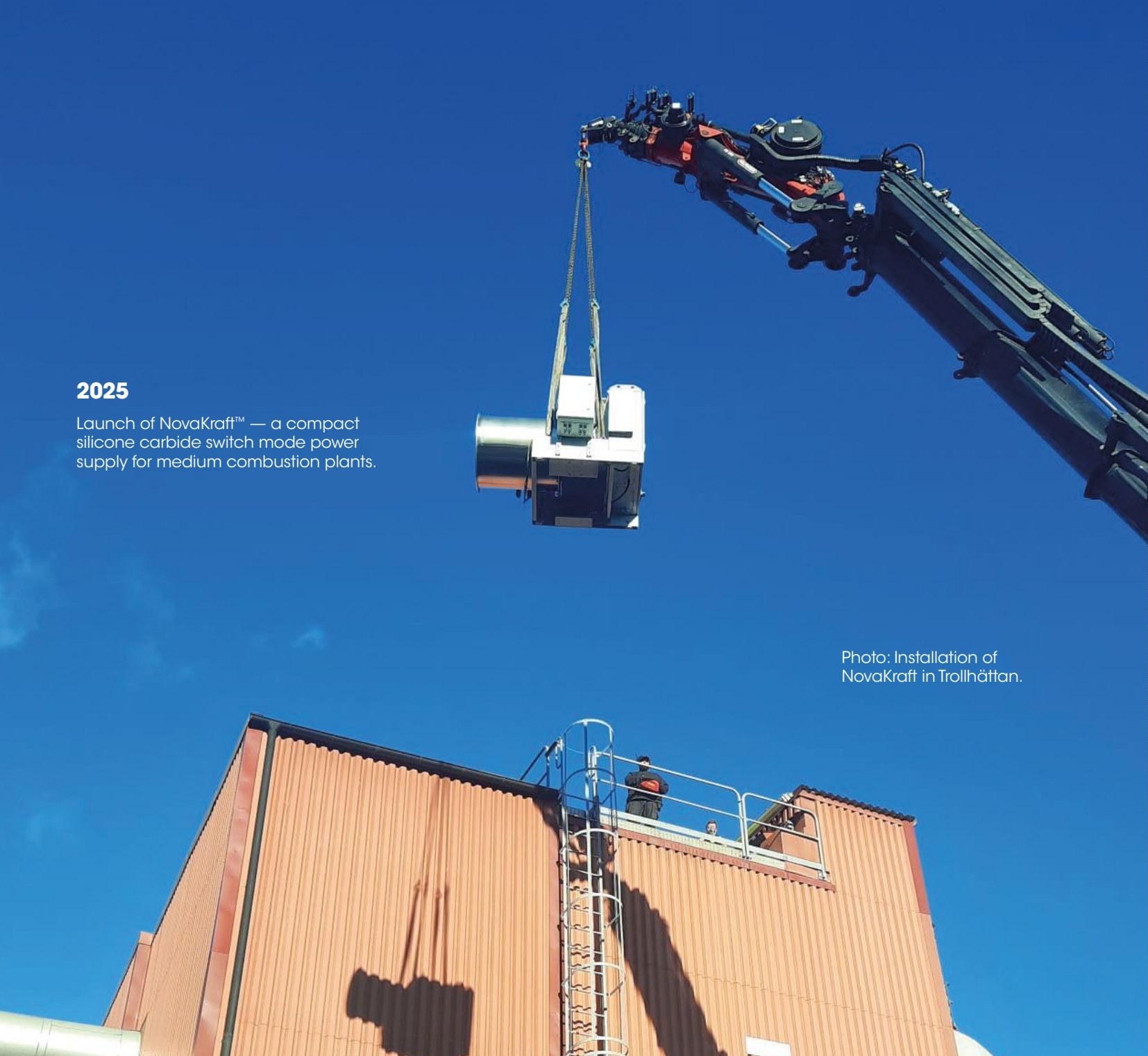
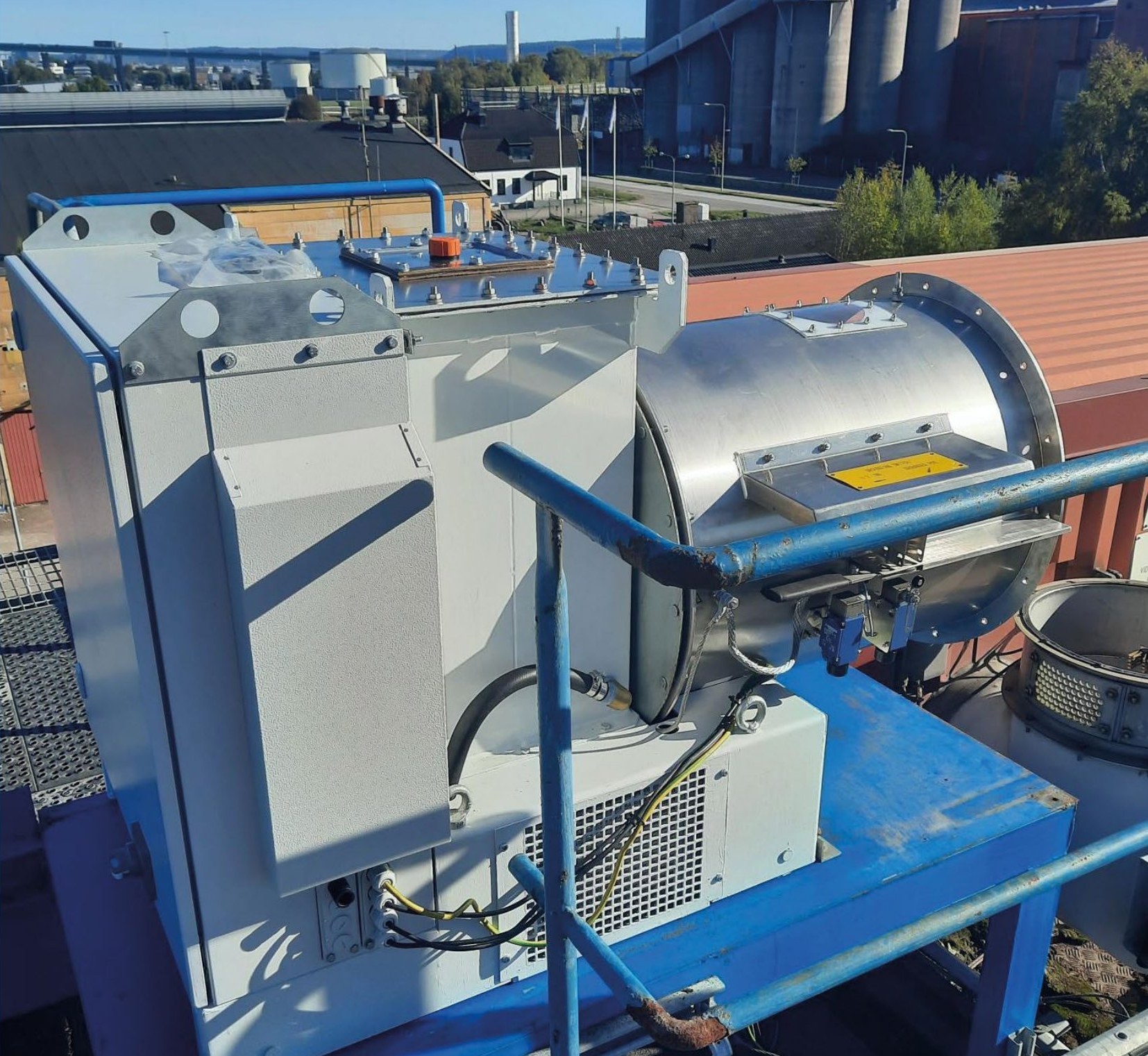
Photo: Installation of NovaKraft in Trollhättan.
From our earliest rectifiers to today's advanced power converters, we continue to engineer the technologies that shape tomorrow's industries. A century of expertise — and we're only getting started.
Power conversion
since 1935.
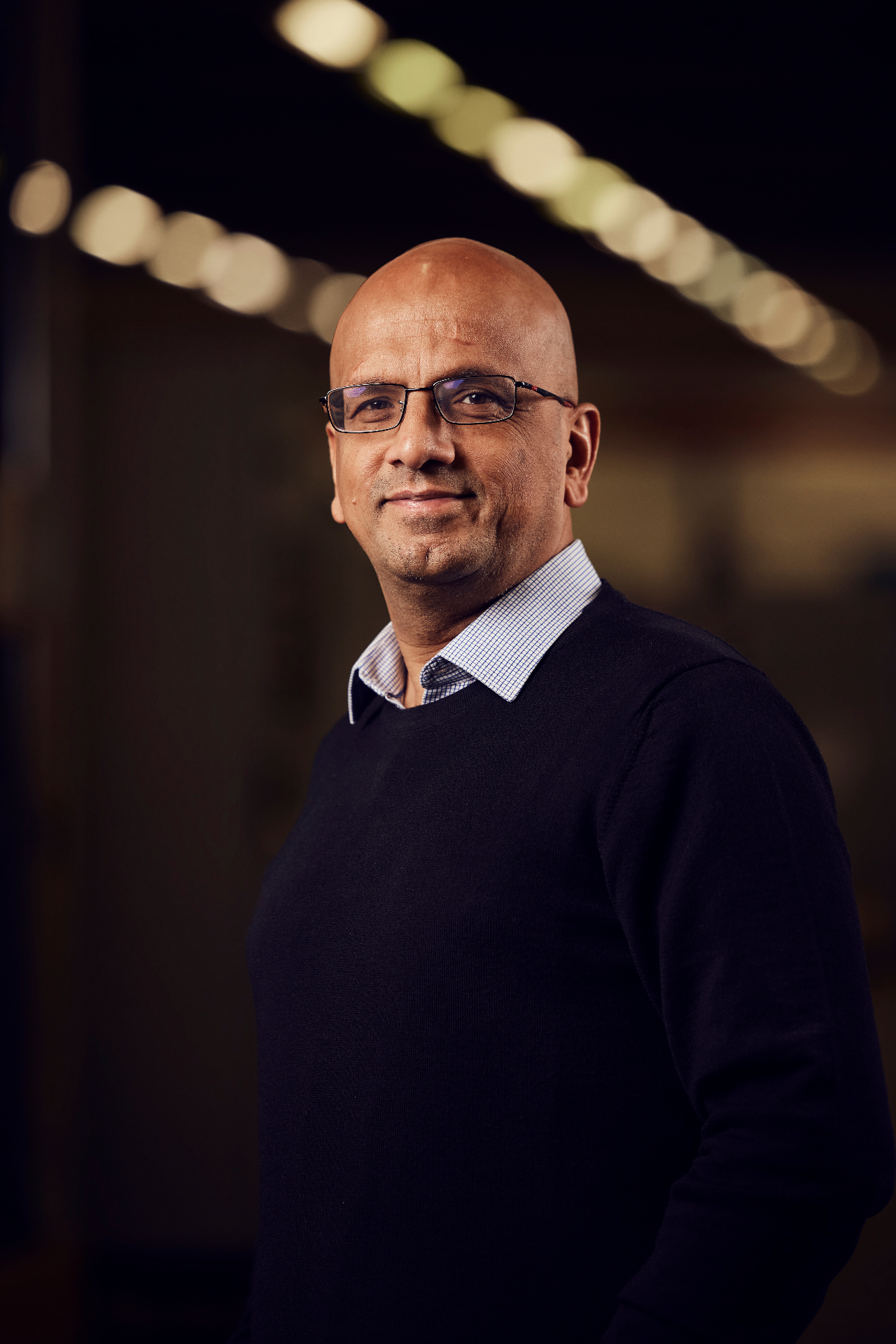
“Power conversion may happen behind the scenes, but its impact is front and center. It’s what makes electric futures possible.”
For nearly a century, we have refined the art of converting and controlling electric power. Our solutions enable clean energy technologies, protect critical infrastructure, and help customers all over the world reduce their environmental impact—from purifying smokestack emissions to driving electrolysis for green hydrogen.
Power conversion may happen behind the scenes, but its impact is front and center. It’s what makes electric futures possible. And as demand for efficient, reliable, and sustainable energy solutions grows, so does the need for our expertise.
That’s something every KraftPowercon employee, partner, and customer can take pride in. We are not just witnessing the power transition—we are powering it.